
What is a Dash Cam? How Does a Dash Cam Work?
-
1
Introduction
- 1.1 What is a Dash Cam and How Does a Dash Cam Work?
- 1.2 How Does a Dash Cam Work?
- 1.3 How Do You View Dash Cam Footage?
- 1.4 Should I Get a Dash Cam?
- 1.5 Do Dash Cams Record at Night?
- 1.6 Where is Dash Cam Footage Stored?
- 1.7 Does a Dash Cam Record All the Time?
- 1.8 What is the Downside of a Dash Cam?
- 1.9 Is There a Monthly Fee for a Dash Cam?
- 1.10 Do Dash Cams Always Have to Be Plugged In?
- 1.11 Do Dash Cams Drain Car Batteries?
- 1.12 Can Police Take Your Dash Cam Footage?
- 1.13 Where Not to Put a Dash Cam?
- 1.14 What is the Life Expectancy of a Dash Cam?
- 1.15 Does the Dash Cam Record Audio Inside the Car?
- 1.16 Do You Need to Hardwire a Dash Cam?
What is a Dash Cam and How Does a Dash Cam Work?
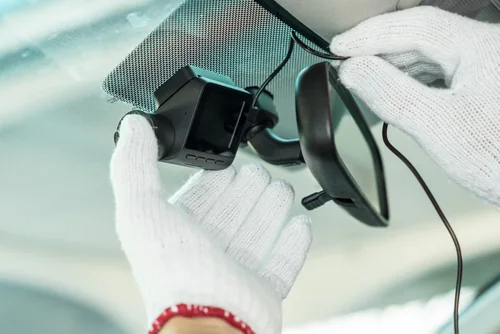
A dash cam, short for dashboard camera, is a small, specialized video camera mounted on the windshield or dashboard of a vehicle. Its primary purpose is to record footage while you drive, capturing events like traffic incidents, road conditions, or scenic drives. Some dash cams also offer advanced features like GPS tracking, motion detection, and dual-camera setups for recording both the road and the interior of the vehicle.
Fleet Dash Cams offer more advanced features for managing driver safety and overall risk with features such as AI, ADAS, Coaching and more.
How Does a Dash Cam Work?
Dash cam starts recording as soon as it is powered on, typically when the vehicle’s engine starts. It captures video in a loop, saving the most recent footage and overwriting the oldest files when the storage is full. Modern dash cams use memory cards, and some come with cloud storage options. Features like G-sensors can lock and save footage if a collision is detected, ensuring crucial events aren’t erased.
How Do You View Dash Cam Footage?
Depending on the type of Dash cam footage can be viewed in several ways. Consumer grade dash cams allow the user to view either on the device directly with a built in screen, via a mobile app or on a computer by removing the SD Card altogether from the device.
Fleet Dash Cams offer more accessible ways of accessing the video footage remotely, such as our AI2020 Dash Cam that allows fleet managers to stream remotely all historical video footage and download on demand video footage from the comfort of their office.
Should I Get a Dash Cam?
A dash cam is a valuable investment for:
Protecting yourself in accidents.
Providing evidence for insurance claims.
Recording memorable road trips.
- For fleets, dashcams reduce overall risk and can provide significant insurance discounts.
Do Dash Cams Record at Night?
Yes, many dash cams feature night vision capabilities to capture clear footage in low-light conditions. Look for models with infrared (IR) lights or advanced sensors for better performance at night.
Where is Dash Cam Footage Stored?
Footage is usually stored on a microSD card, ranging from 16GB to 256GB or more, depending on the model. Some dash cams also offer cloud storage as an optional feature.
Does a Dash Cam Record All the Time?
Most dash cams record continuously while the vehicle is running. Some have parking mode features that activate recording when motion or an impact is detected, even if the car is off.
What is the Downside of a Dash Cam?
Potential downsides include:
Initial cost and installation.
Possible distractions while driving.
Regular maintenance, like formatting memory cards.
- Driver privacy concerns
Is There a Monthly Fee for a Dash Cam?
Most consumer dash cams do not require a monthly fee. However, fleet dash cams do have a monthly subscription cost.
Do Dash Cams Always Have to Be Plugged In?
No, but they need a power source. They can be plugged into the car’s cigarette lighter or USB port, hardwired to the vehicle’s fuse box, or wireless powered by an internal battery.
Do Dash Cams Drain Car Batteries?
Hardwired dash cams may drain the car battery if left on for extended periods, especially in parking mode. Using a voltage cut-off device can prevent this.
Can Police Take Your Dash Cam Footage?
Yes, police can request your dash cam footage as evidence. In some cases, they may seize it with a warrant or your consent.
Where Not to Put a Dash Cam?
Avoid placing the dash cam:
Directly in your line of sight.
On areas of the windshield that block airbags.
Where it’s exposed to extreme heat or cold.
What is the Life Expectancy of a Dash Cam?
A good-quality dash cam typically lasts 3-5 years, depending on usage and environmental conditions.
Does the Dash Cam Record Audio Inside the Car?
Many dash cams include a microphone to record audio. This feature can usually be turned off if privacy is a concern.
Do You Need to Hardwire a Dash Cam?
Hardwiring is not mandatory but provides a cleaner installation and enables parking mode features. Our AI2020 Dash Cam can be ordered with our plug-and-play power harness.
Get a Live Demo
Fill out the form below and a member of our team will get back to you
Article Author

Related Resources
- Best AirTag Alternatives (2026): Top Trackers for iPhone, Android, Wallets, and Business Assets January 19, 2026
- Commercial Fleet Insurance: Everything You Need to Know December 08, 2025
- CARB Compliance: What It Means and How to Stay Compliant December 04, 2025