All-In-One Reefer Temperature Tracking Solution
One powerful reefer monitoring system to meet all your needs for fleet management, ELD Compliance, Dashcams for fleet safety, cargo monitoring and more

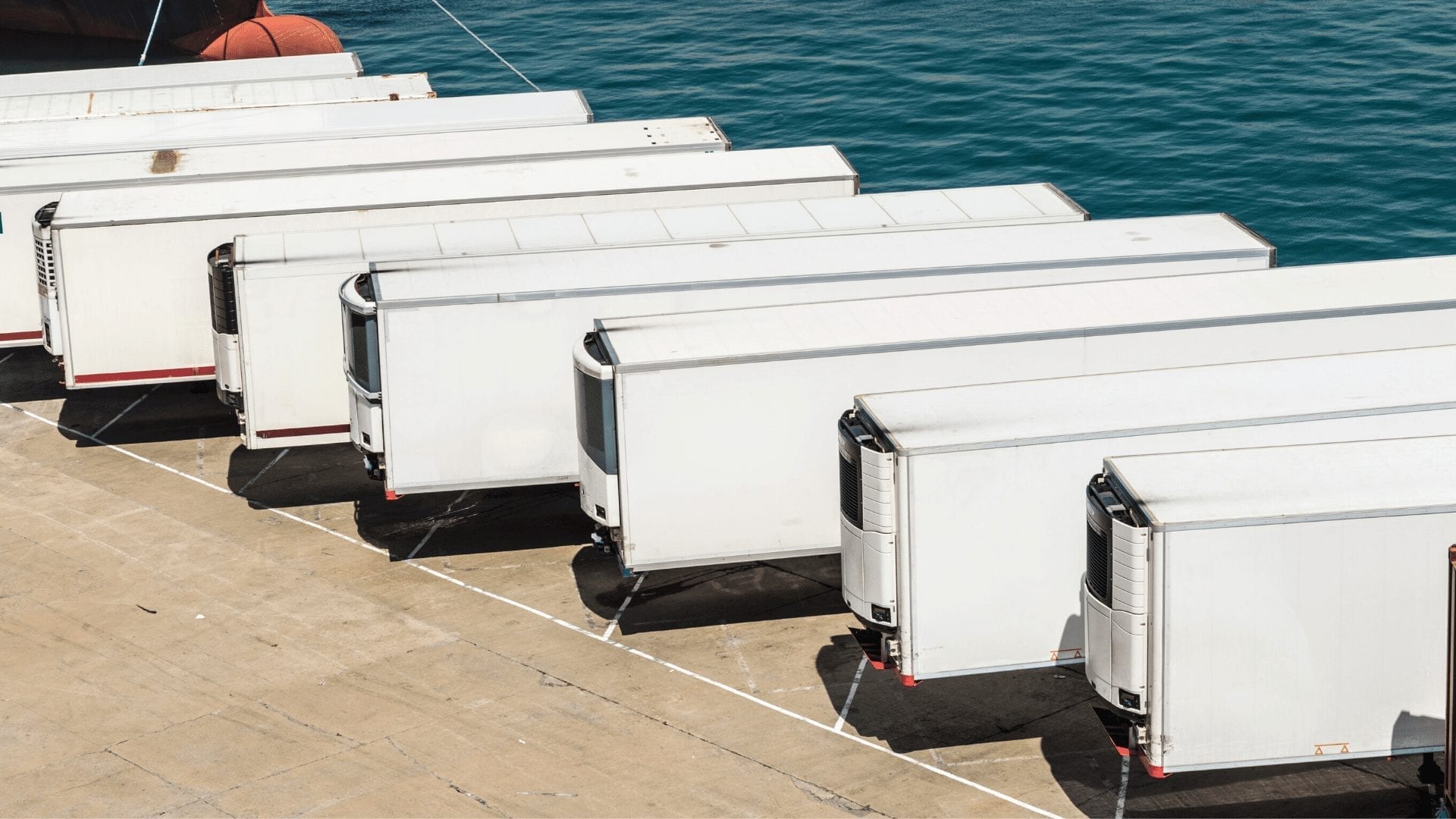
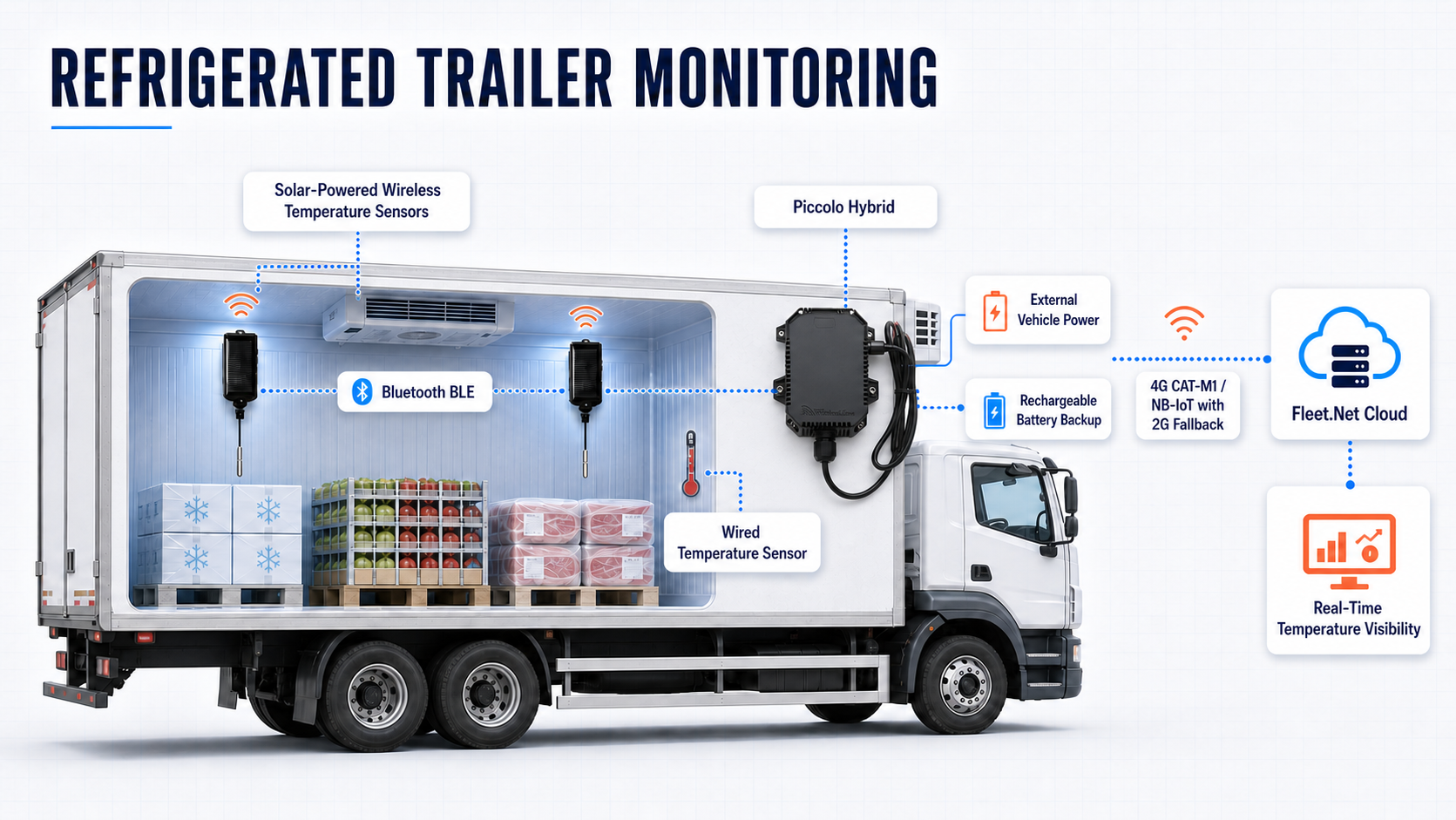
Connect refrigerated trailers with supported wired or wireless temperature sensors. Review current readings, location, supported door events, configured alerts, and historical records in Fleet.Net.
Temperature and location visibility for refrigerated fleets
Integrate our cutting-edge wired and wireless temperature monitoring sensors with the robust Fleet.Net cloud platform, offering real-time and historical temperature monitoring, GPS tracking, and driver apps for temperature control. Benefit from real-time alerts on temperature changes and deviations, shareable ETA’s with customers, IoT sensors, and a host of additional features.
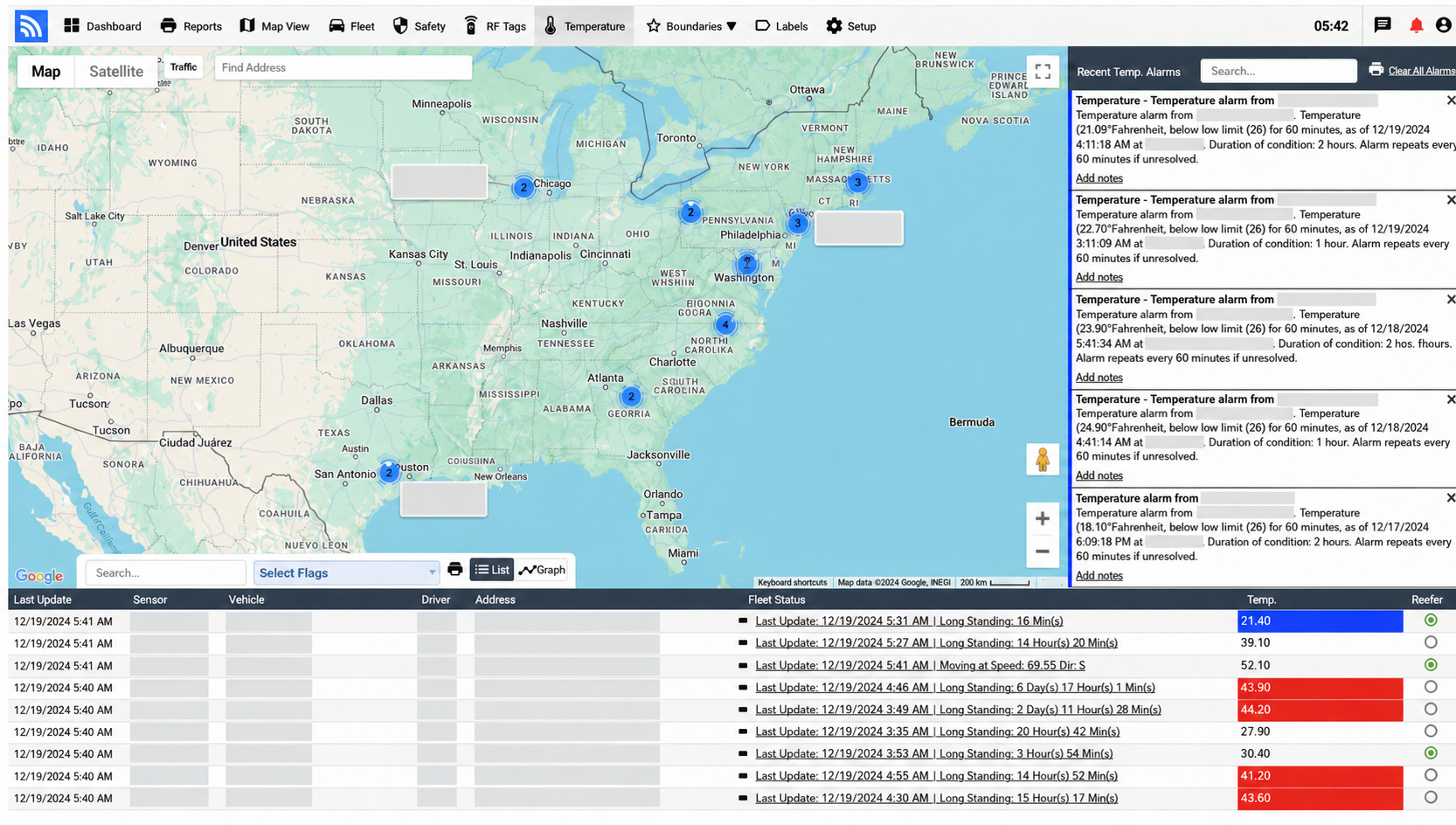
One powerful reefer monitoring system to meet all your needs for fleet management, ELD Compliance, Dashcams for fleet safety, cargo monitoring and more
Effortlessly track and monitor any cargo type with our range of IoT wireless temperature sensors.
Ensure cargo temperature stays within the acceptable range, automatically notify drivers with real-time alerts as temperature deviations occur, minimizing temperature related spoilage costs to a minimum.
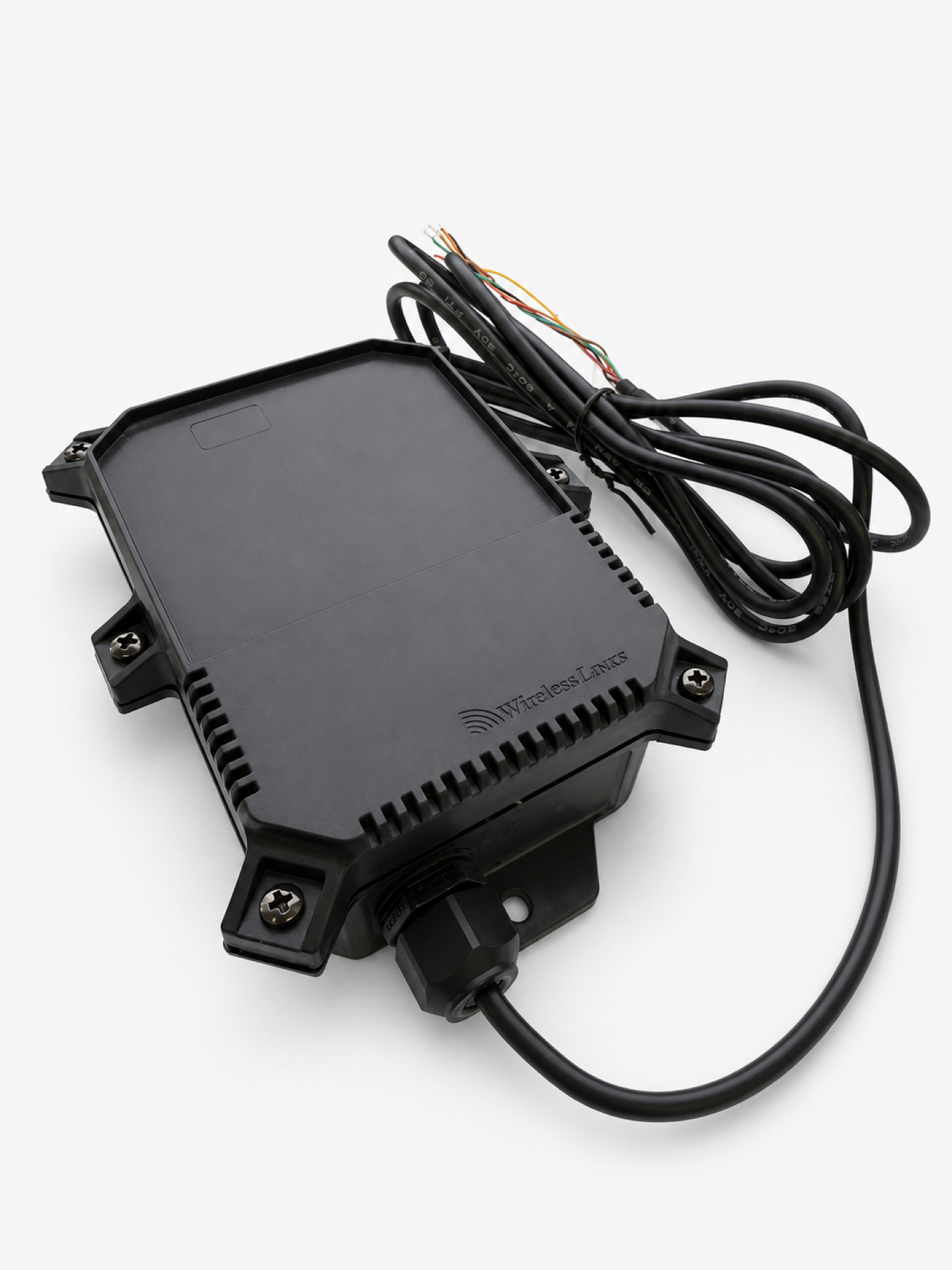 Tracking hardware
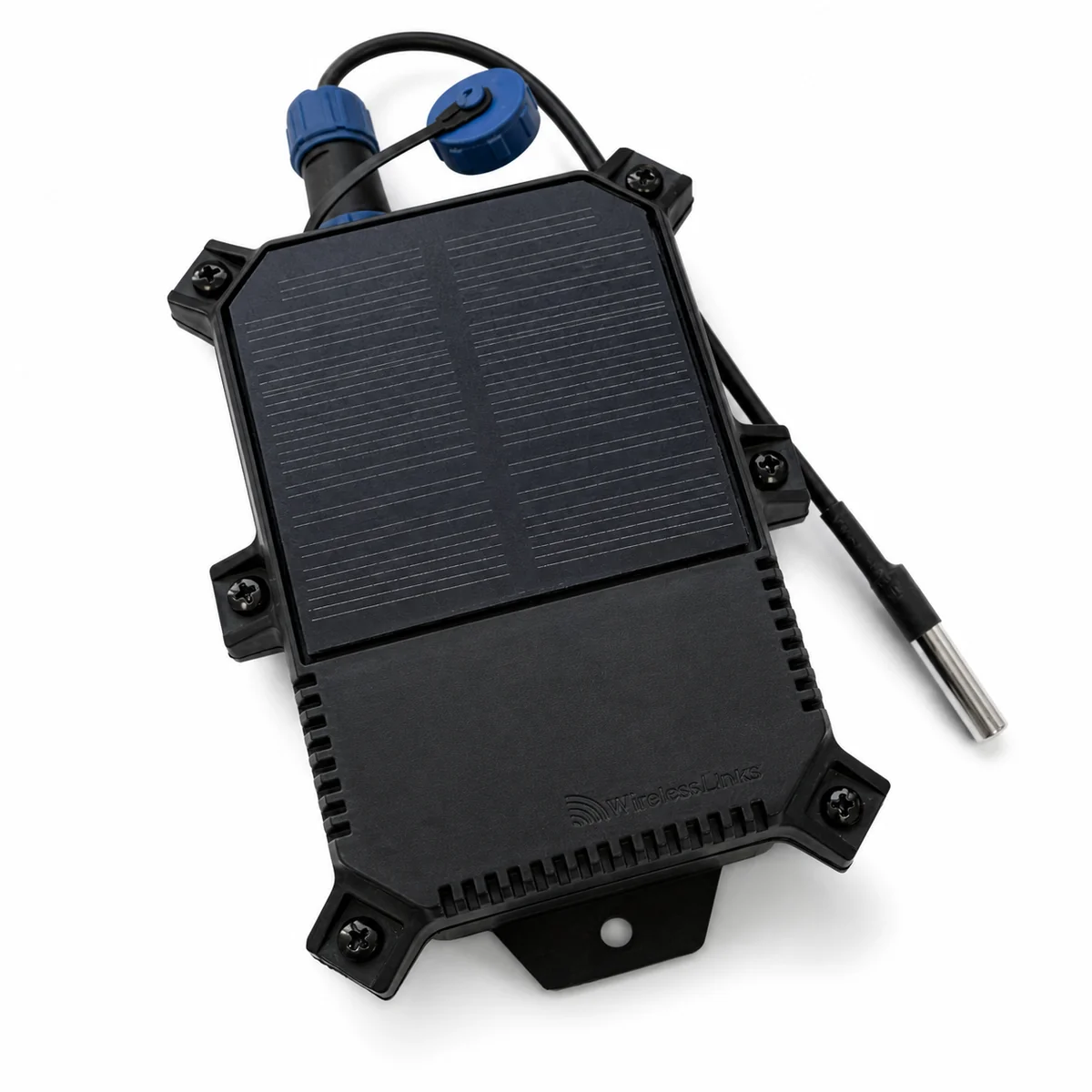 Tracking hardware
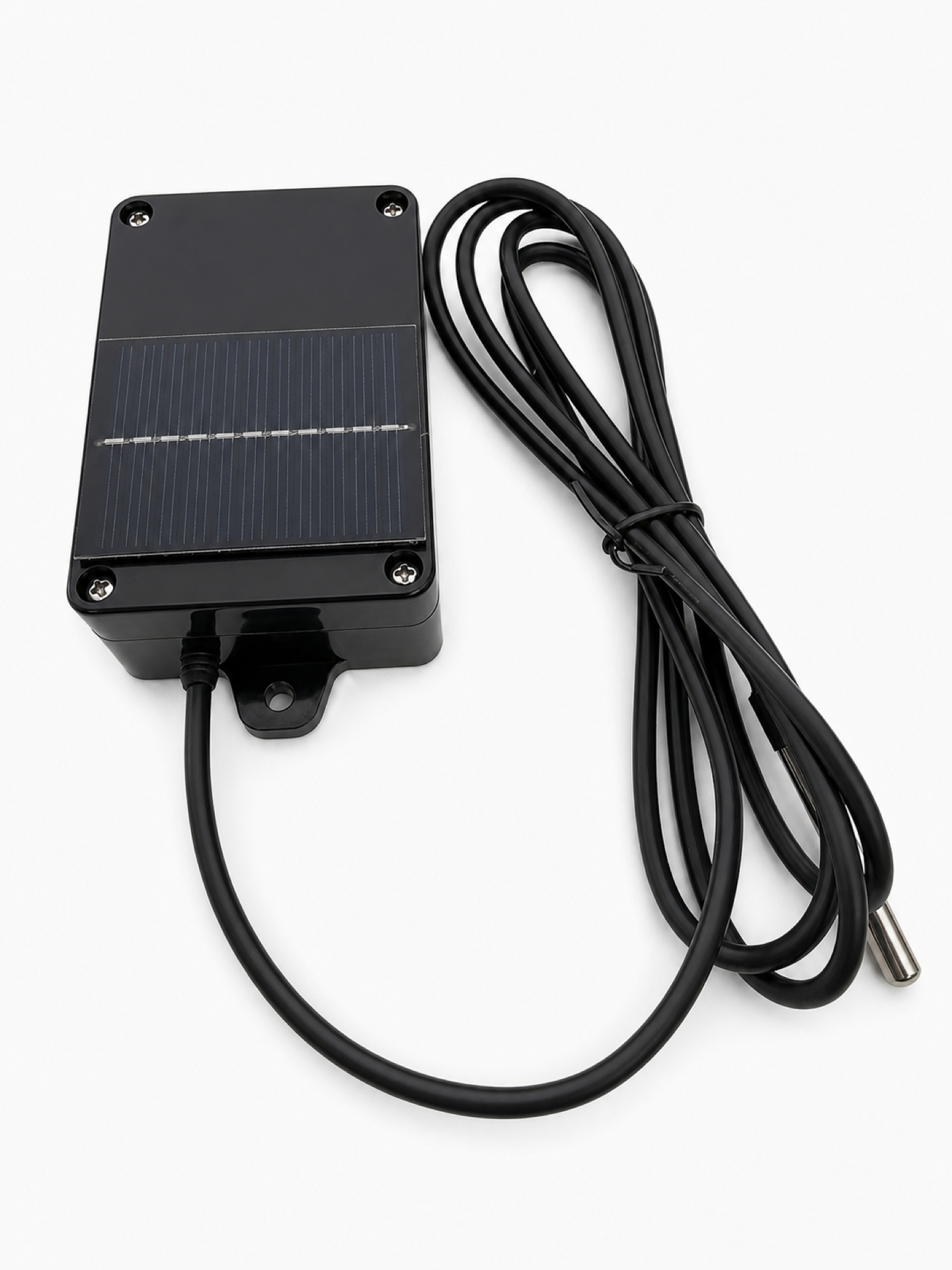 Tracking hardware
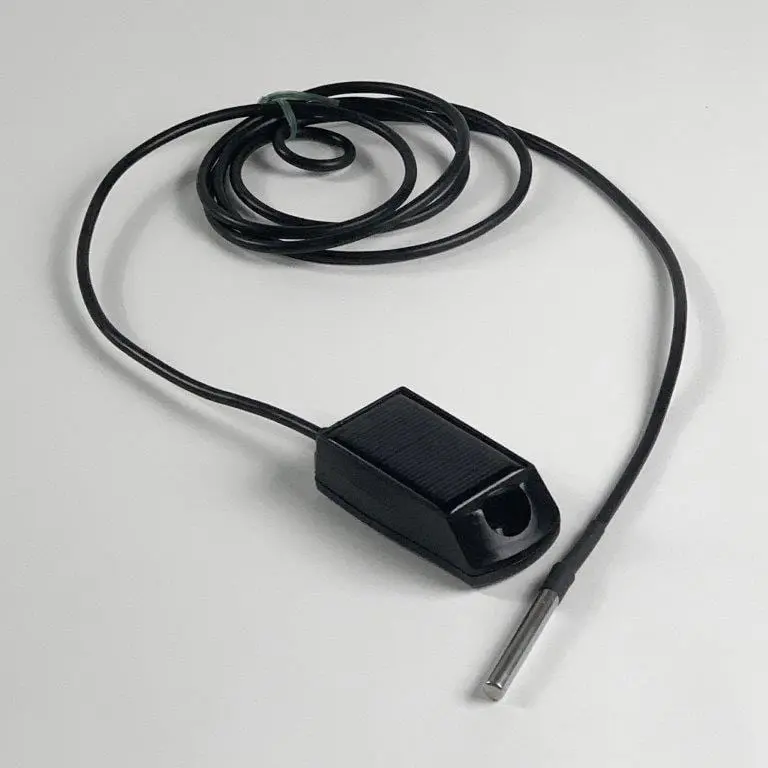 Tracking hardware
For Reefers • Refrigerated Trailers • Cold Rooms • Temperature Sensitive Shipments
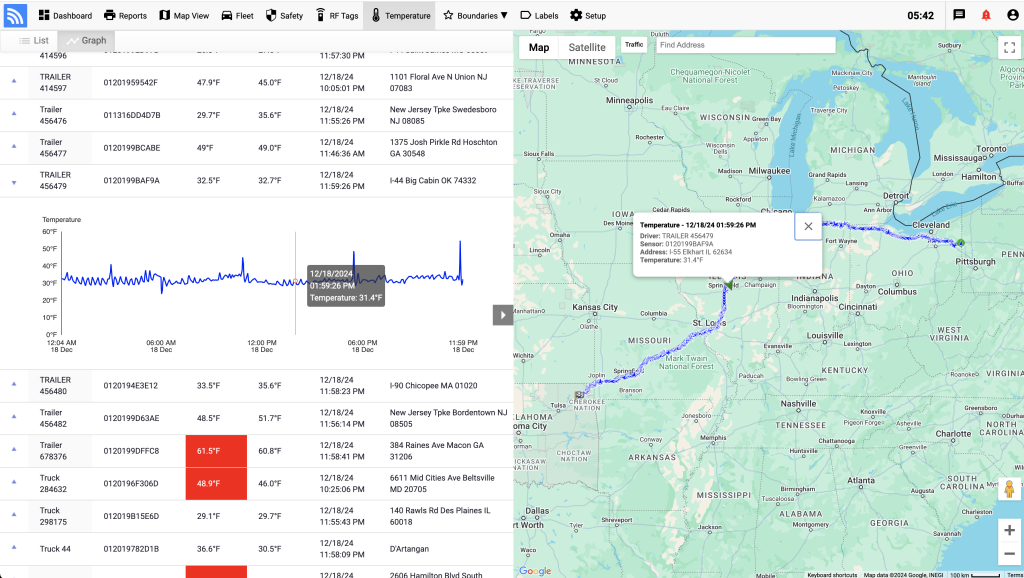
View current and historical temperature readings alongside trailer location so teams can understand where an excursion occurred and which asset requires attention.
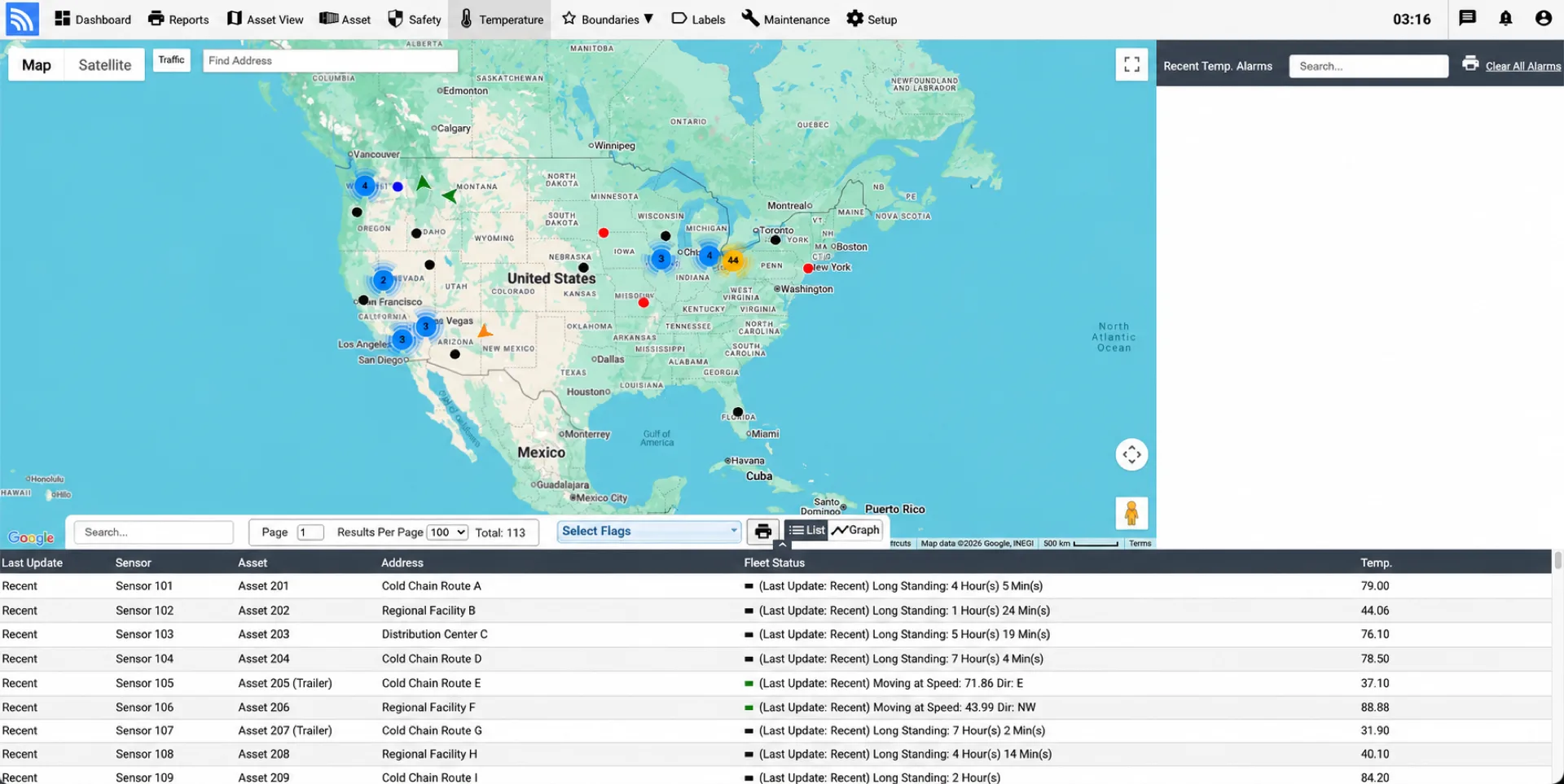
Use supported wired or wireless sensors in multiple reefer compartments and review each zone independently with its own configured limits.
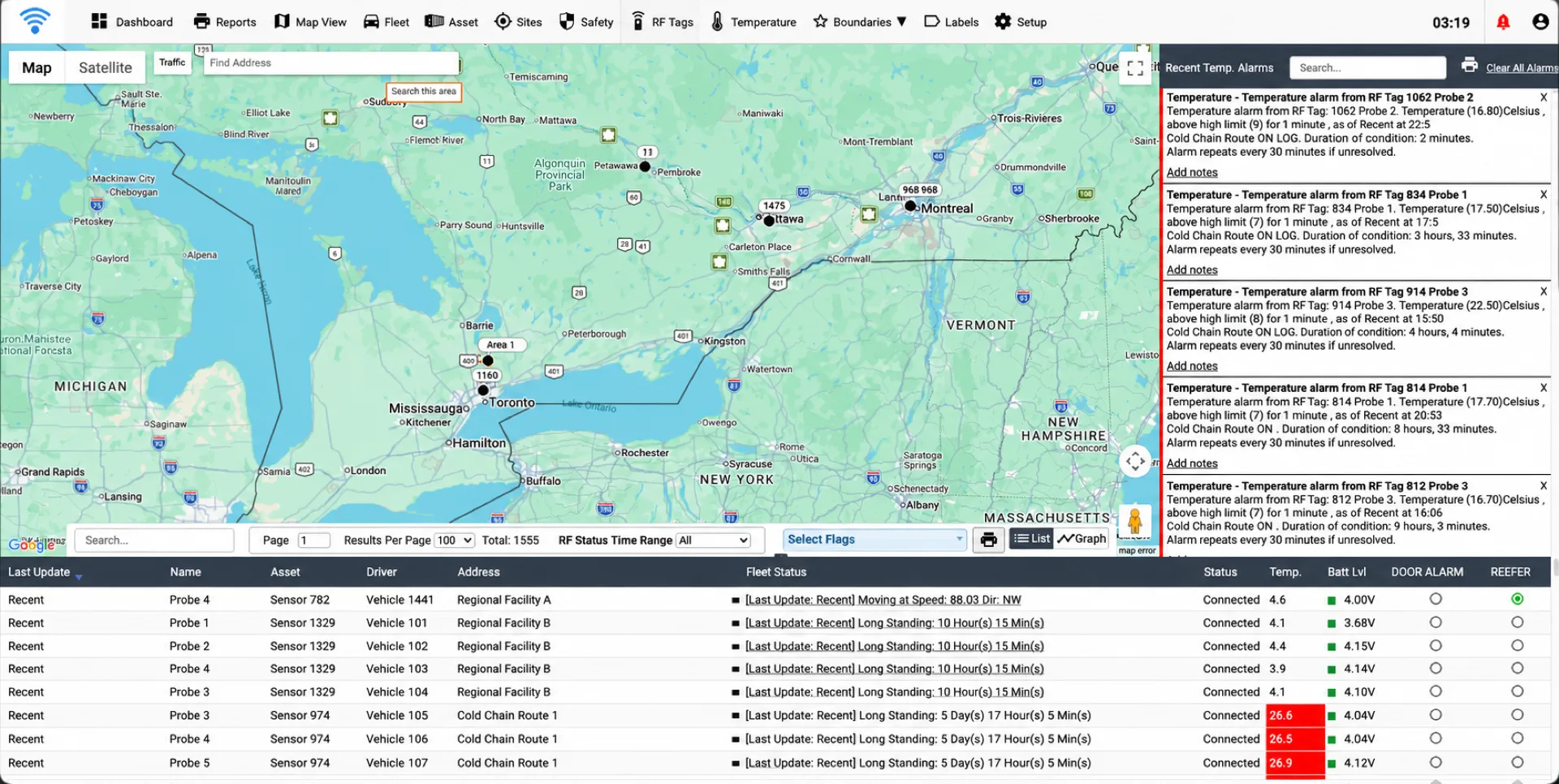
Notify designated team members when readings move outside configured high or low limits, or when a supported door event requires attention.
Review searchable temperature history, trailer location, supported door events, and exceptions to support quality, customer, and compliance workflows.
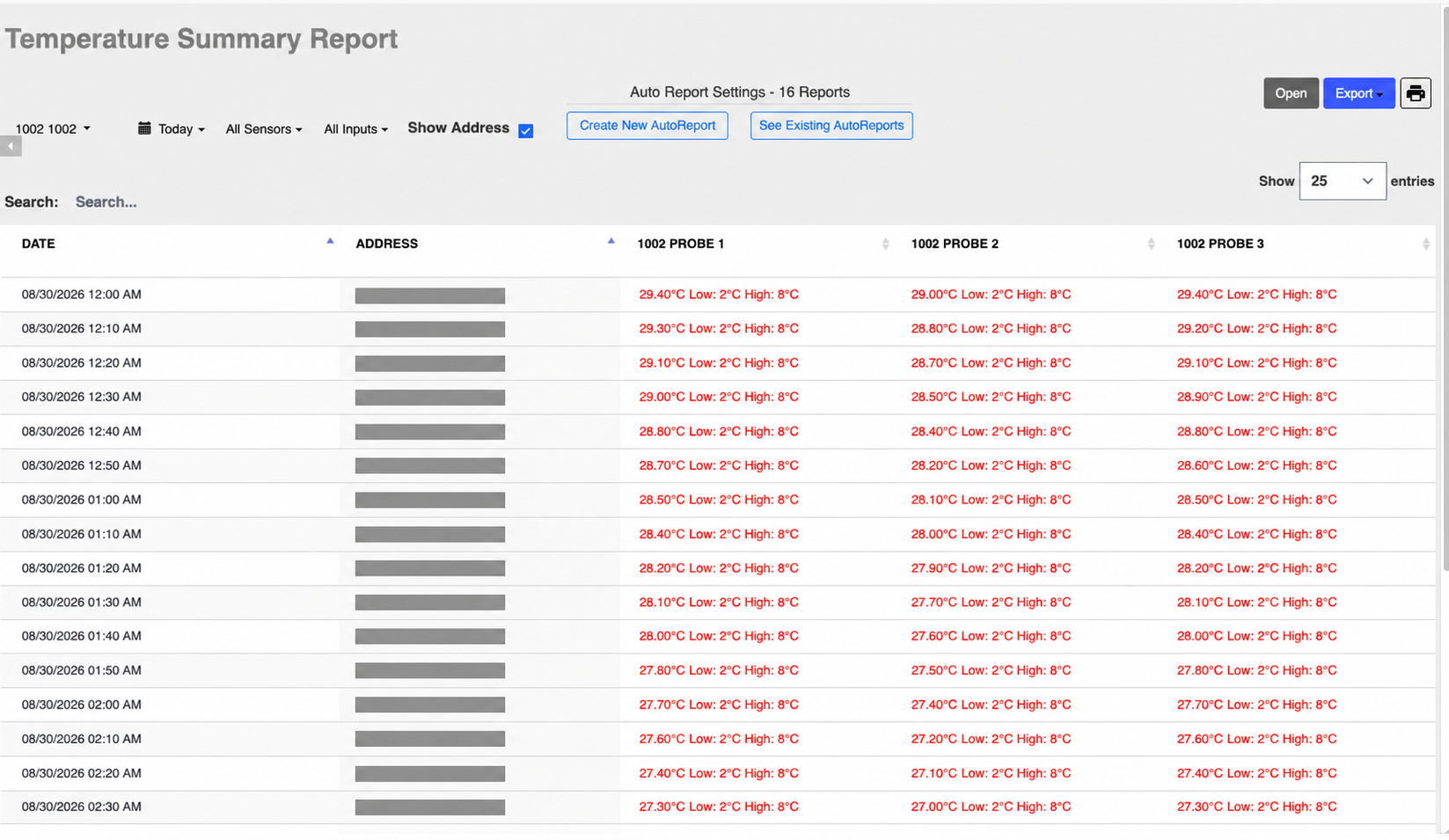
DriverLink can receive readings from compatible BLE temperature sensors and upload live and stored sensor data to Fleet.Net through the mobile workflow.
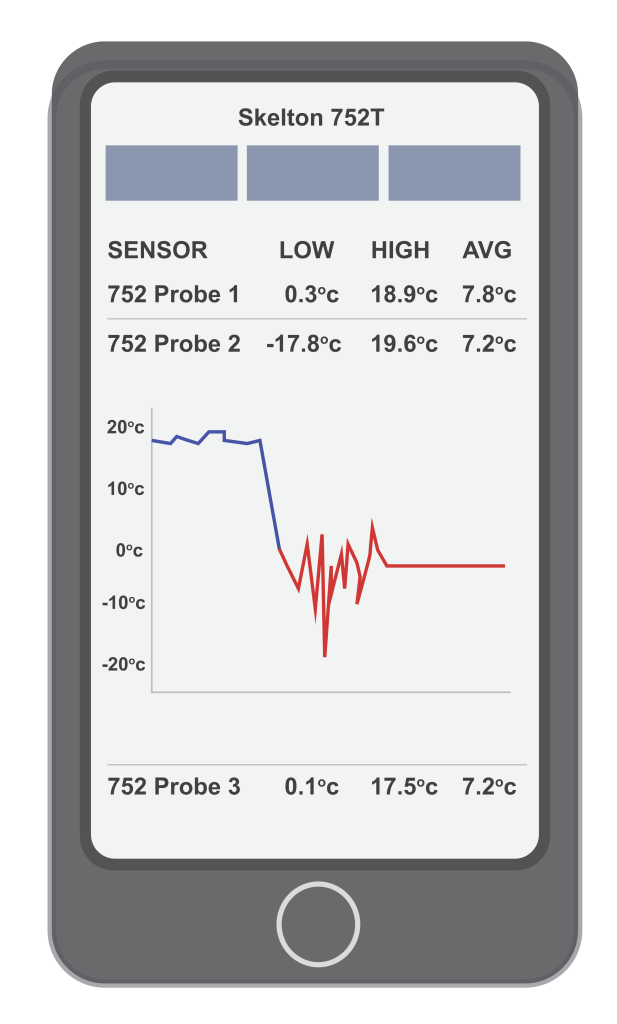
Choose between wired or wireless temperature monitoring sensors to actively track and monitor the temperature and location of your reefer trailers or any temperature-controlled asset. Minimize temperature-related spoilage costs with precision monitoring.
A remote reefer monitoring system offers real-time tracking of temperature and humidity levels for perishable goods throughout their journey, including transportation and storage at ports. This system ensures greater visibility and control over the supply chain, allowing operators to promptly address any deviations from optimal conditions. By maintaining the ideal environment for sensitive cargo, such as fresh produce, pharmaceuticals, or seafood, the system reduces spoilage risks, enhances product quality, and minimizes financial losses. Additionally, the data gathered can be analyzed to improve logistics planning, boost operational efficiency, and strengthen customer trust by consistently delivering goods in perfect condition.
Automatically switch reefer ON/OFF to reach the preset temperature. Pre-cool the trailer just in time for loading, saving reefer hours and reefer fuel.
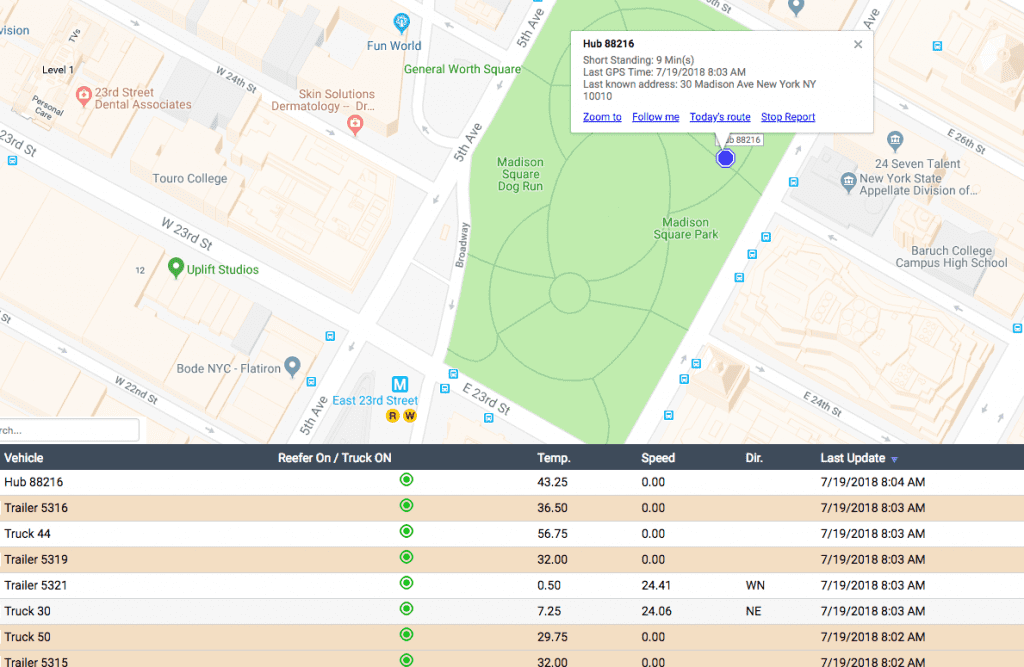
The trailer temperature monitoring system lets you gain 24/7 reefer visibility & control into the location and temperature status of your perishable assets as they move through the cold chain with GPS fleet vehicle tracking, real-time alerts on temperature change and deviations, maintenance scheduling, real-time & historical temperature data, shareable temperature reports and ETA’s with your customers and a driver-app for real-time temperature control.
START NOW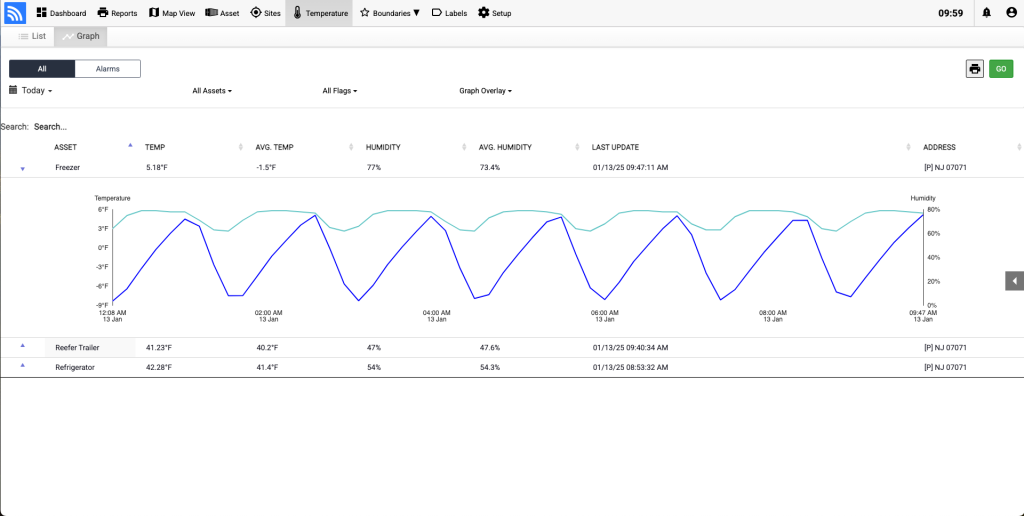
With the Wireless Links DriverLink app for real-time cold chain temperature visibility, customers gain greater control and visibility over their in-transit temperature sensitive deliveries:
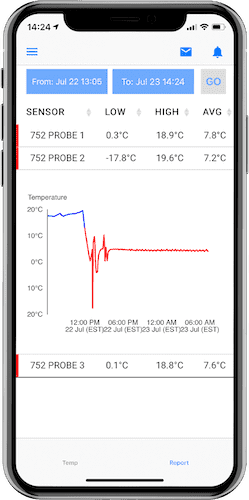
Our cold chain monitoring system simplifies compliance with the Food Safety Modernization Act (FSMA) by automating key processes, reducing human error, and providing comprehensive data visibility. FSMA requires businesses to ensure the safety and quality of temperature-sensitive products throughout the supply chain, and our system is specifically designed to meet these regulatory demands efficiently by:1. Automating Data Collection and Logging
2. Real-Time Alerts and Immediate Issue Resolution
3. Seamless Audit Readiness
4. Reducedes Human Error and Labor Costs
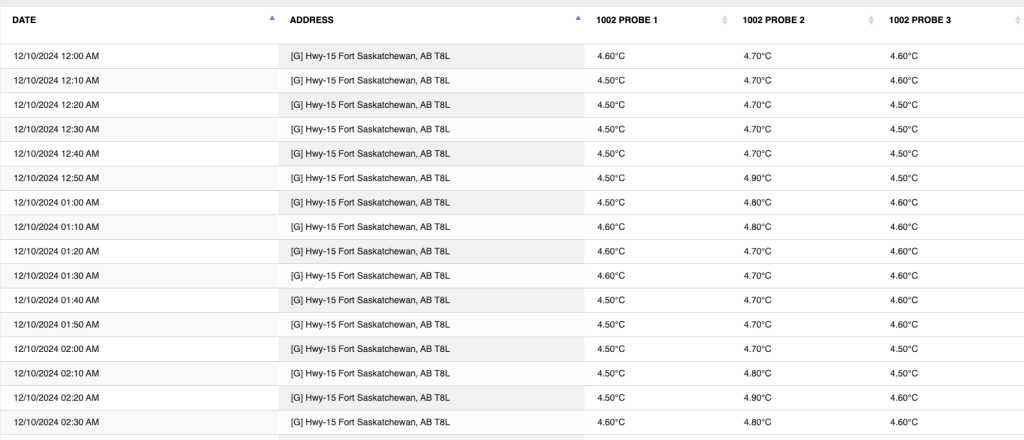
Maintains ideal conditions, protecting perishable goods during transport.
Minimizes losses by promptly addressing temperature deviations.
Provides proof of proper storage conditions, helping avoid fines and compliance issues.
Guarantees freshness, enhancing efficiency and customer satisfaction.
Real-time monitoring allows proactive resolution of potential problems.
Ensures product integrity, boosts customer loyalty, and enhances brand reputation.
Our comprehensive fleet management solution integrates GPS tracking, temperature monitoring, and fleet dash cam into a single platform to minimize operational costs, enhance efficiency, and protect your assets. By combining these critical tools, we provide a complete solution to address temperature-related spoilage, streamline maintenance, and improve fleet safety.
Configure reefer monitoring for food, beverage, pharmaceutical, medical, and other temperature-sensitive transportation operations.
A reefer monitoring system tracks and reports real-time temperature, humidity, and operational status of refrigerated containers (reefers). It provides alerts if conditions deviate from set parameters, ensuring cargo quality and compliance.
You can monitor reefer temperatures remotely using telematics solutions with sensors that transmit data via cellular or satellite networks. Real-time temperature and alerts are accessible through web-based platforms or mobile apps.
For optimal cargo safety, temperature should be checked at least every 4 hours. Continuous remote monitoring systems can provide automated checks at more frequent intervals (typically every 5 to 15 minutes).
Routine servicing should occur every 1,500 to 3,000 operating hours or approximately every 6 months, whichever comes first. This typically includes inspection, coolant checks, compressor maintenance, and electrical system evaluations.
Typical reefer temperatures range between -30°C (-22°F) and +30°C (+86°F), depending on the cargo. For most refrigerated foods and pharmaceuticals, temperatures between 2°C (35.6°F) and 8°C (46.4°F) are common.
Reefer container temperature settings depend entirely on the cargo. Examples: Fresh fruits/vegetables: +2°C to +8°C (35.6°F to 46.4°F) Frozen meats/fish: -18°C to -25°C (-0.4°F to -13°F) Pharmaceuticals: +2°C to +8°C (35.6°F to 46.4°F)
Maximum allowable temperature typically is around +30°C (+86°F), though cargo-specific guidelines should always be followed.
Conduct visual inspections for damage, leaks, or corrosion. Verify setpoint temperatures, air flow, and humidity levels. Use a monitoring system to confirm compressor status, alarms, and sensor accuracy. Ensure reefer doors seal properly and insulation integrity is maintained.
Average reefer transport rates per mile range approximately from $2.00 to $3.50 in the U.S., but can vary greatly depending on distance, cargo, region, and market demand.
A well-maintained reefer typically lasts between 15,000 and 25,000 operating hours (approximately 7–12 years), depending on usage intensity, maintenance schedules, and environmental conditions.
Check alarms or error codes displayed on the unit. Inspect electrical connections, battery, and fuel levels (for diesel units). Verify proper airflow, fan operation, and refrigeration system pressures. Check refrigerant levels, temperature sensors, and door seals. Reset the system after fixing minor issues; consult manuals or technicians for persistent or complex problems.