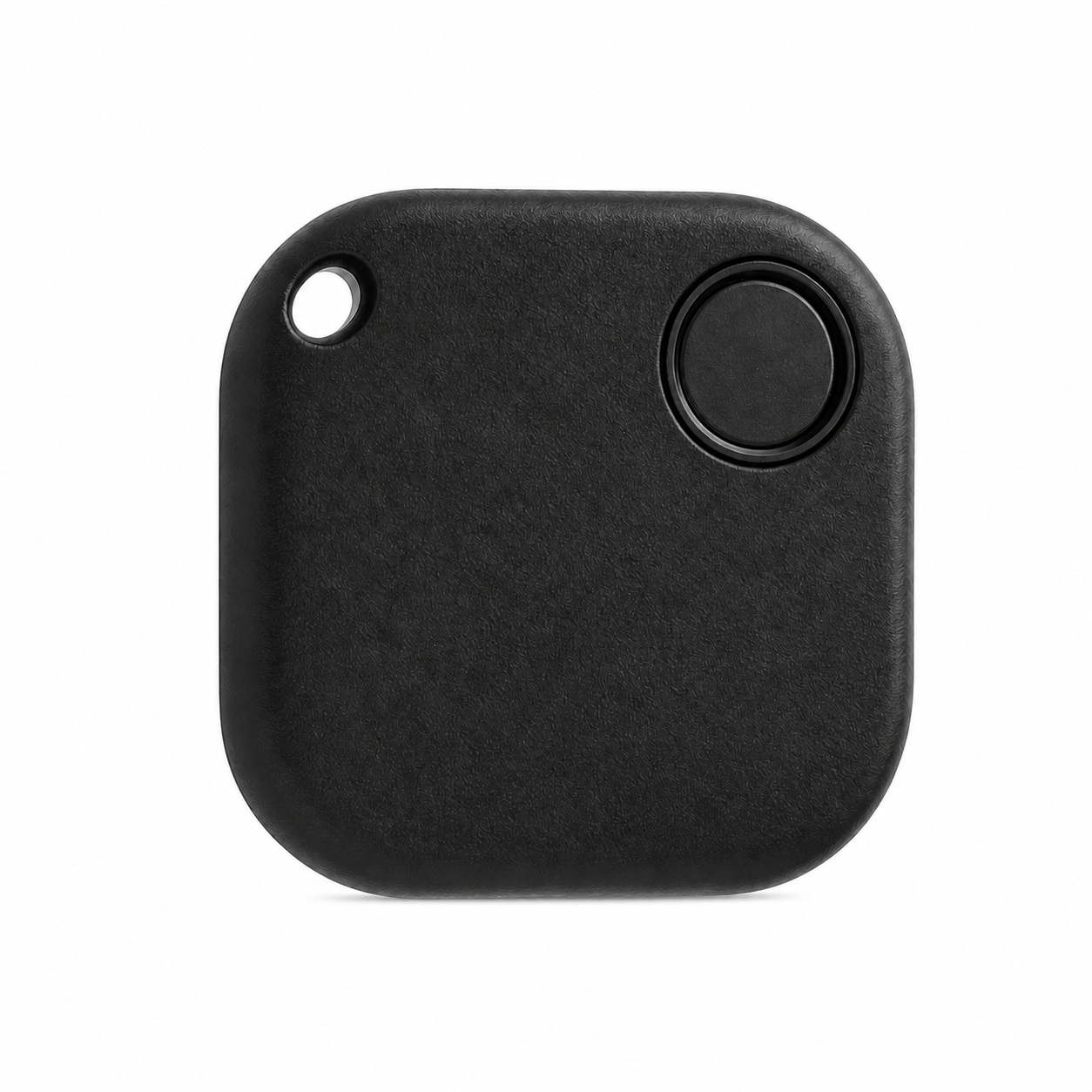
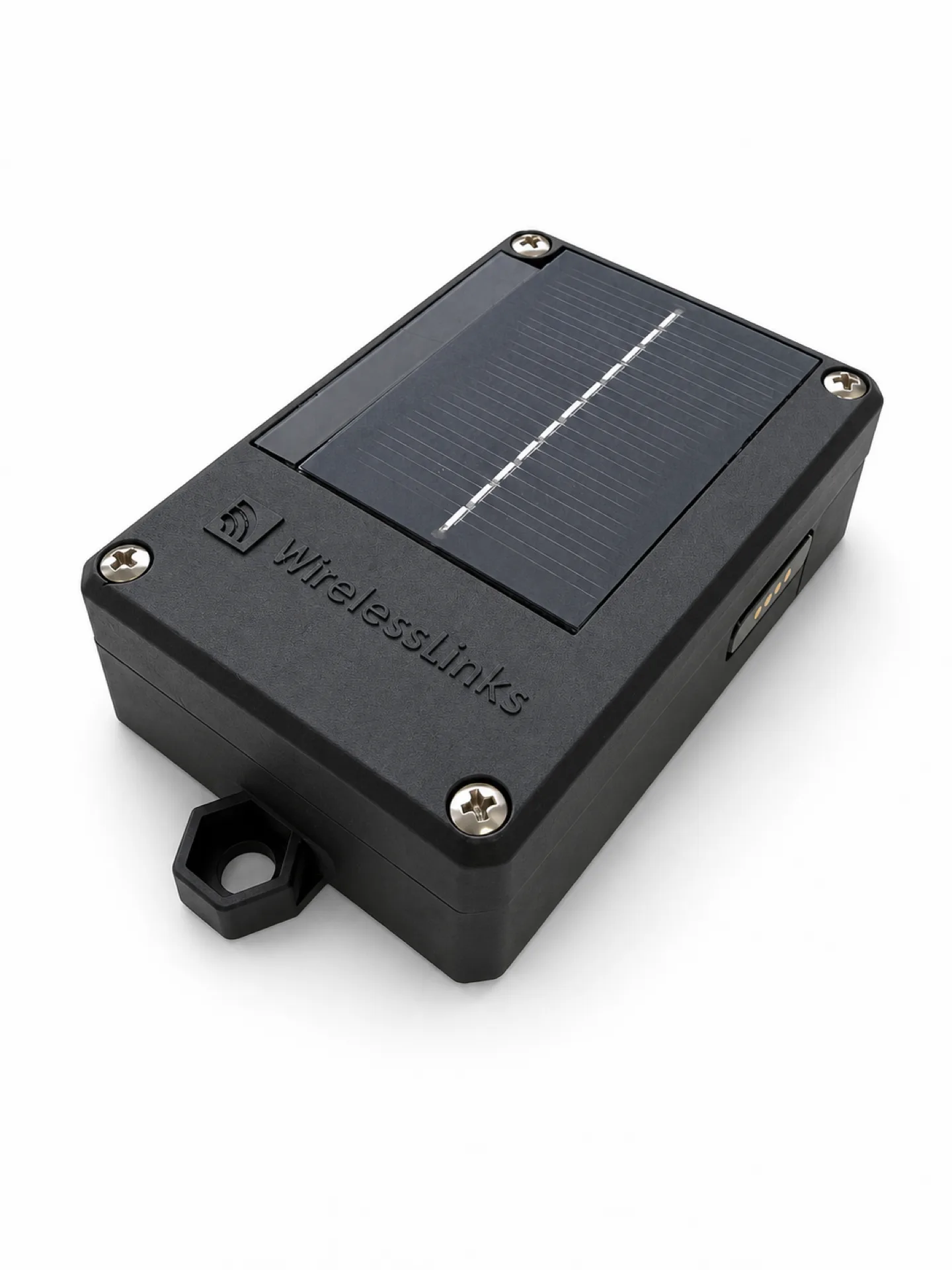
Mini Air Tracker
A compact BLE location tag that provides affordable Fleet.Net visibility for tools, cases, and portable equipment without an individual cellular plan.
View Mini Air Tracker → Best for: tools, cases, and compact portable equipment
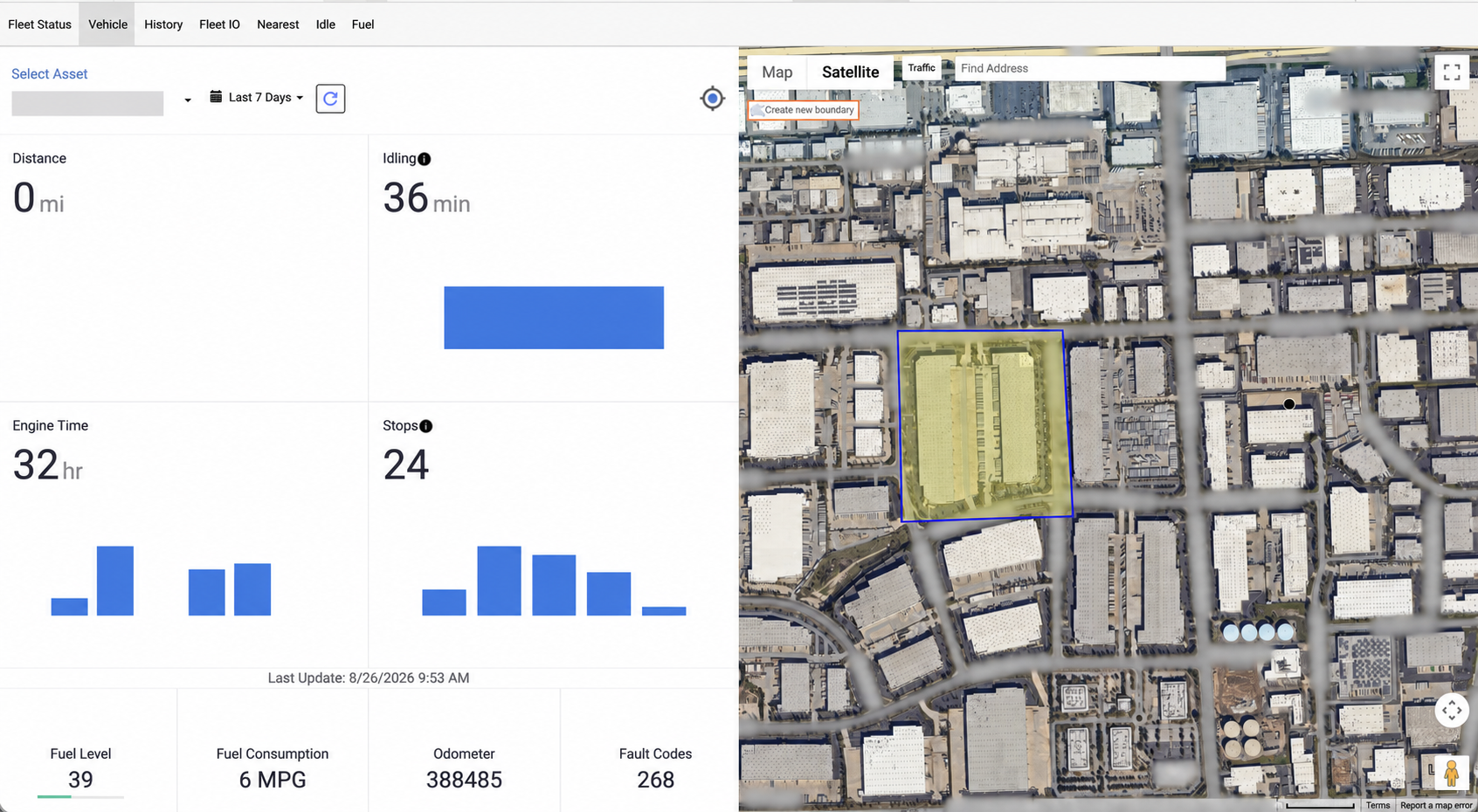
Connect heavy equipment, service vehicles, and mobile assets across jobsites and yards. Monitor location, engine hours, utilization, fuel usage, and diagnostics while automating maintenance and protecting valuable machinery.
Designed for heavy equipment operations
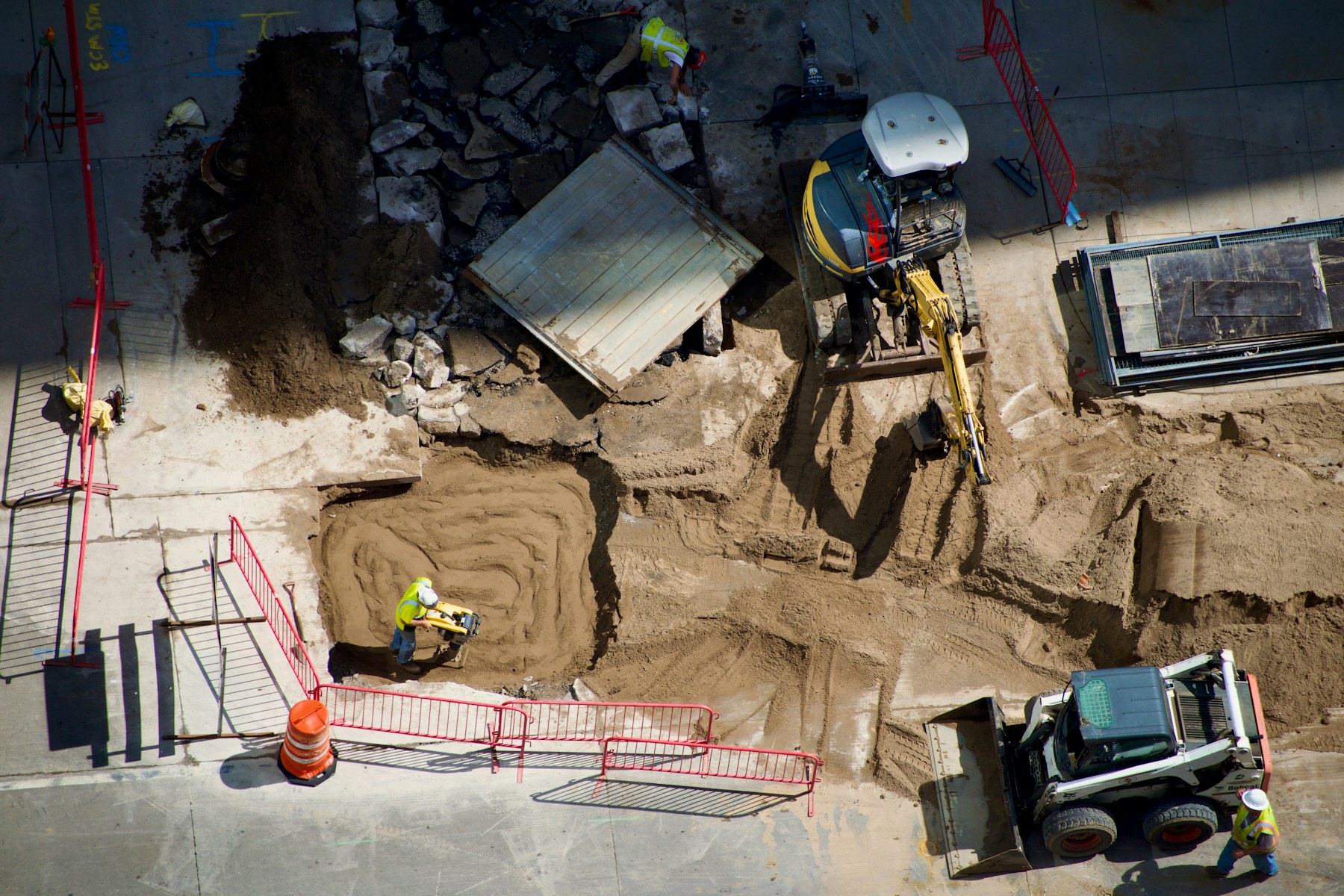
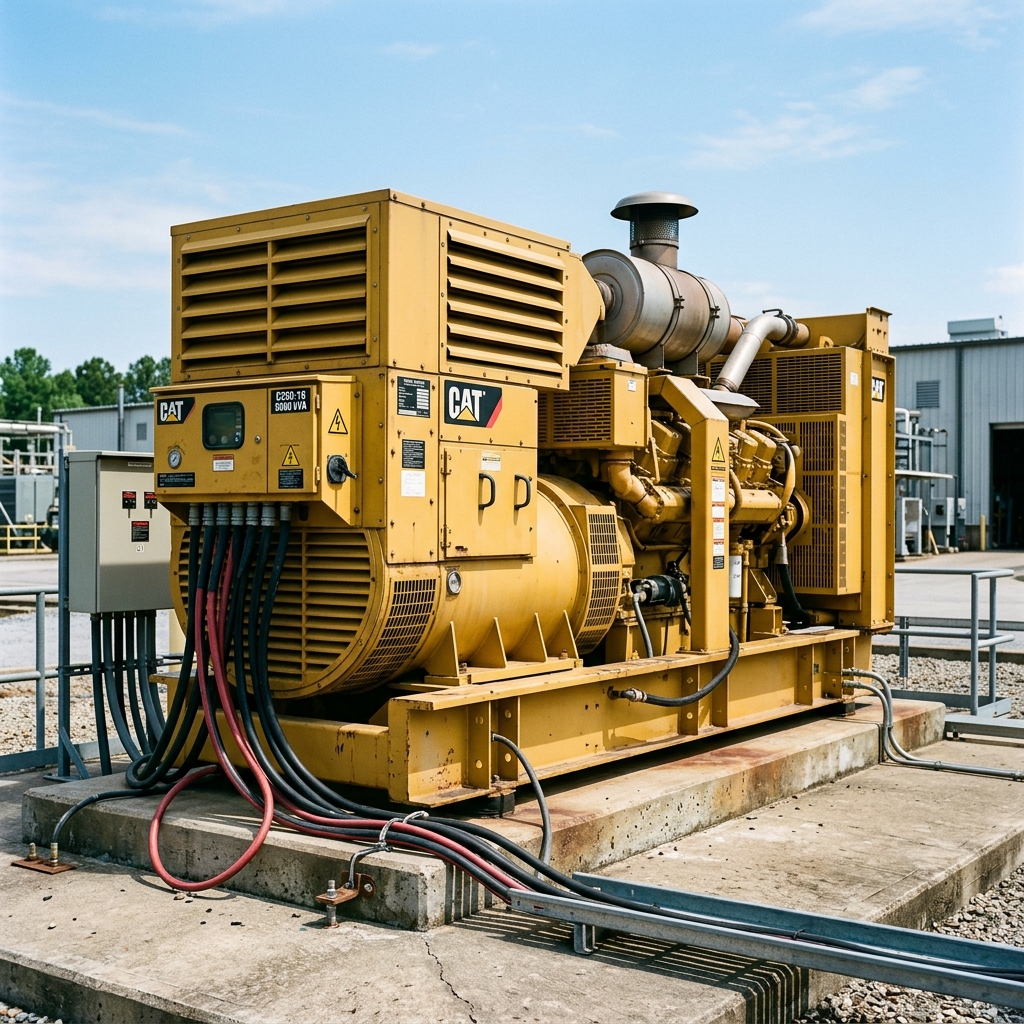
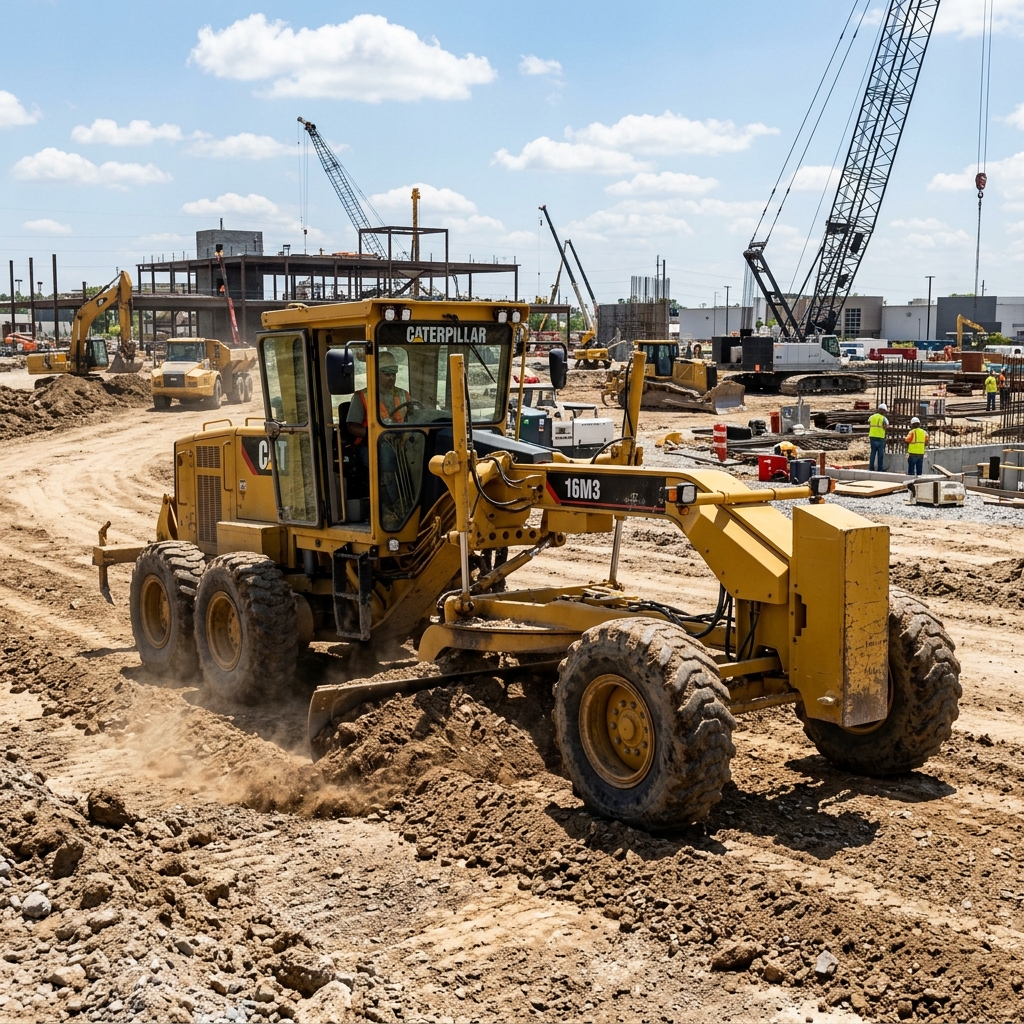
Start tracking construction equipment and heavy machinery located across multiple jobsites. Whether you monitor generators, excavators, heavy tools, trailers, or service vehicles, Wireless Links provides one shared view of equipment location, usage, maintenance, and status.
What is Construction Equipment GPS Tracking?
Construction equipment GPS tracking is a specialized form of telematics designed to monitor the location, status, and health of heavy machinery and jobsite assets. Unlike standard vehicle tracking, construction deployments often include unpowered or intermittently powered assets. Ruggedized tracker options send location and supported sensor or diagnostic data to Fleet.Net through cellular, BLE, LoRa, or another configured network.

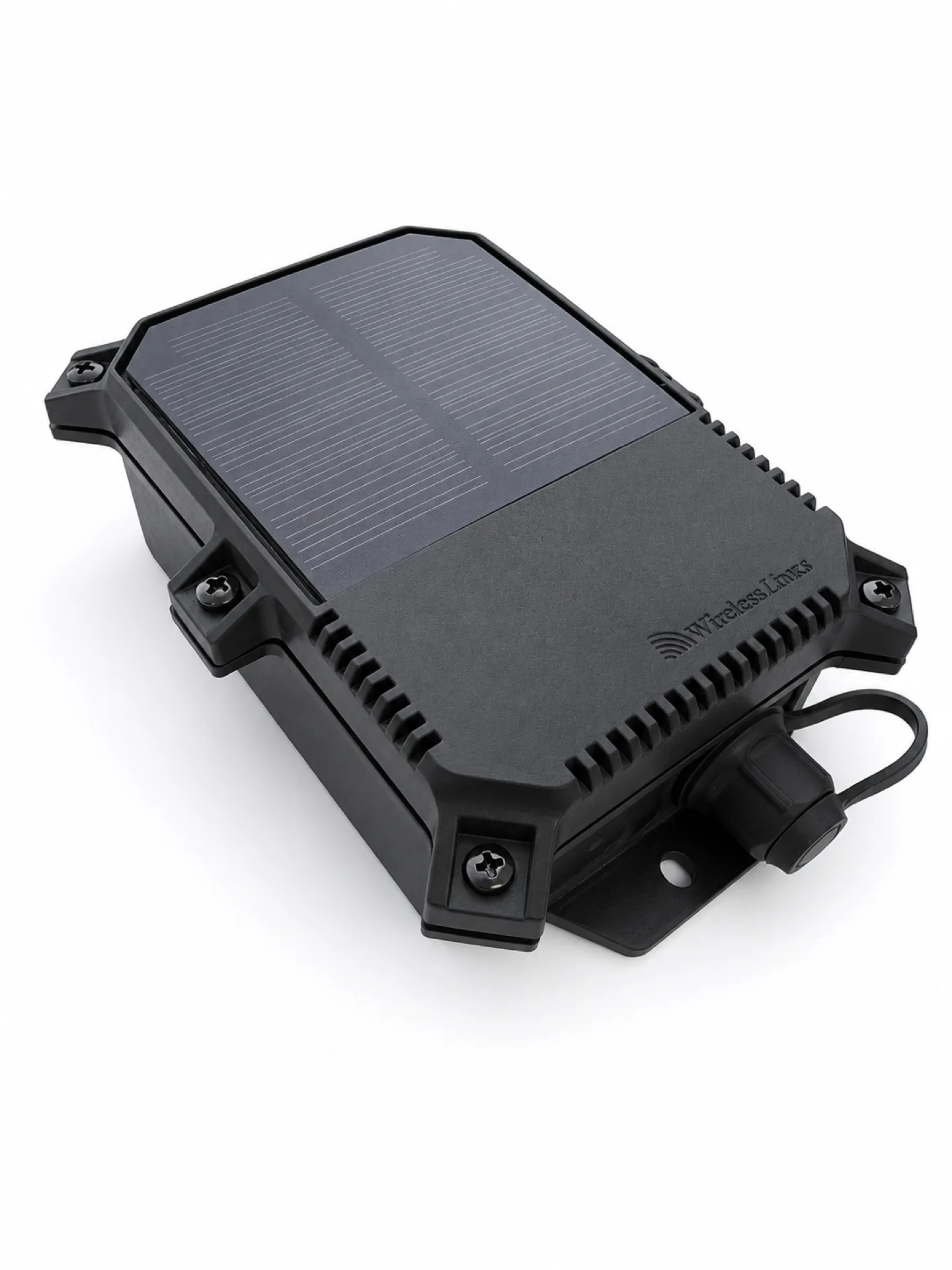
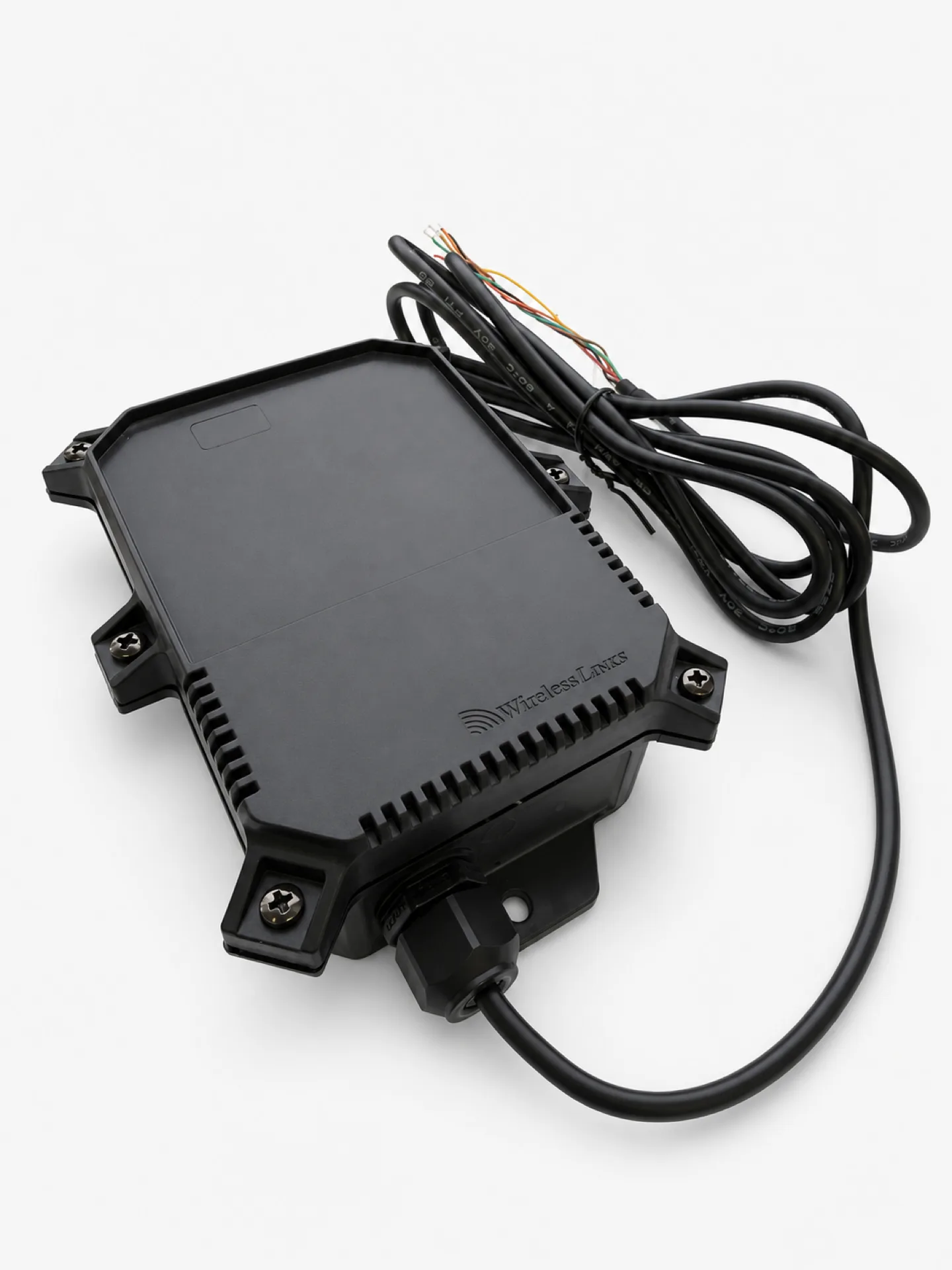
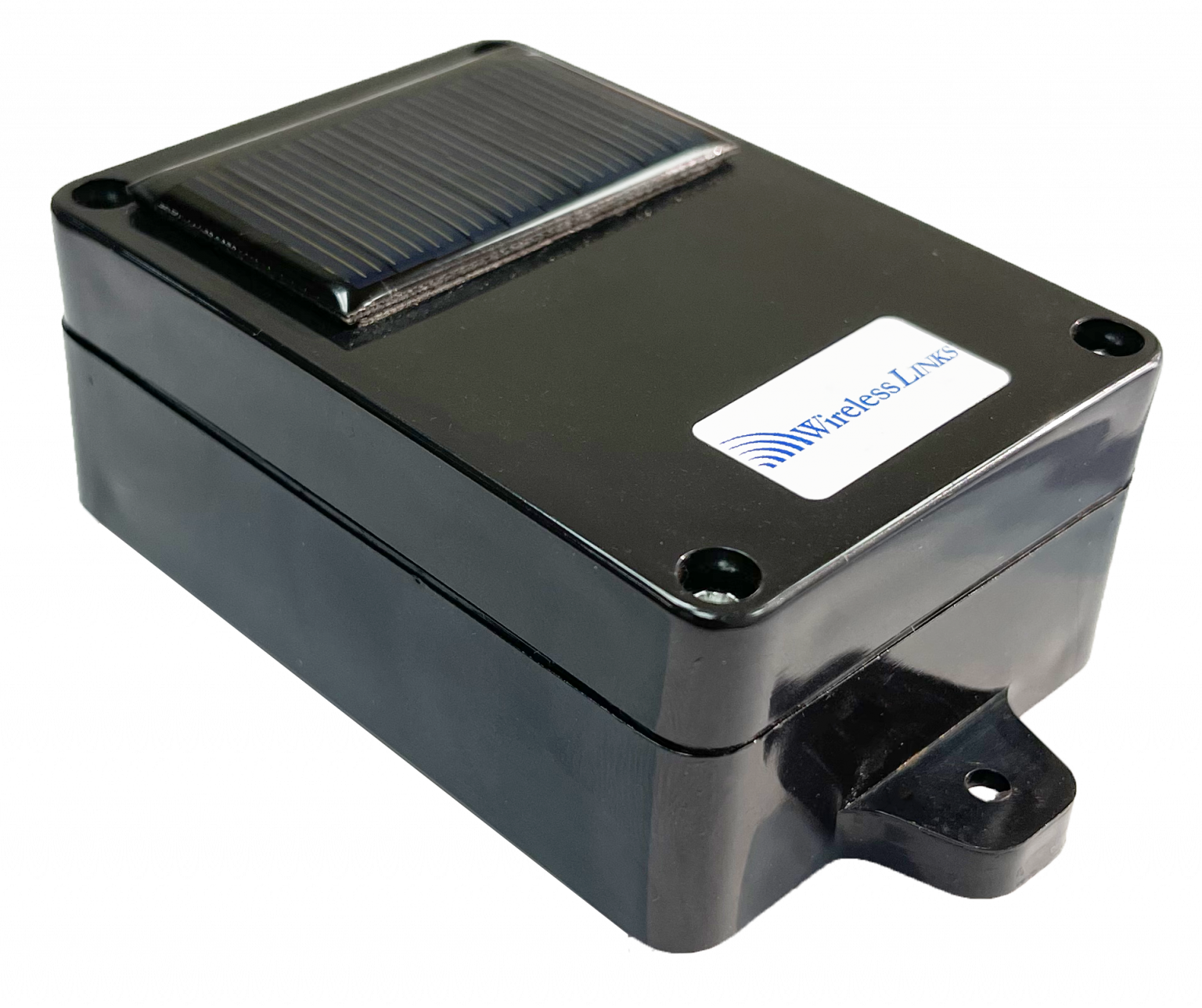
Choose from compact BLE tags, solar trackers, autonomous cellular hardware, and LoRa devices based on the equipment and jobsite requirements.
A compact BLE location tag that provides affordable Fleet.Net visibility for tools, cases, and portable equipment without an individual cellular plan.
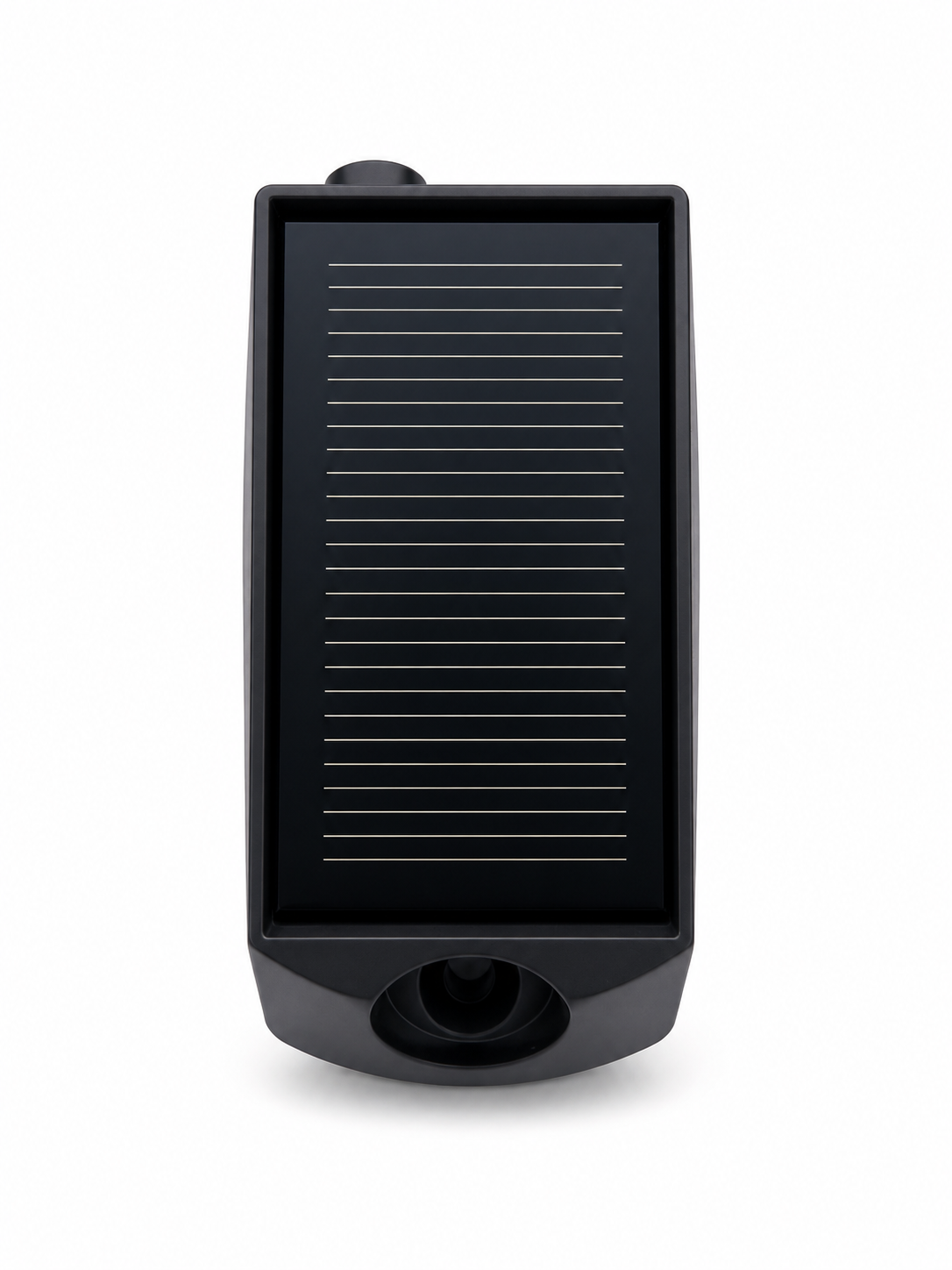
View Mini Air Tracker → Best for: tools, cases, and compact portable equipmentA rugged solar-recharged BLE tracker that eliminates routine battery replacements while keeping outdoor assets visible through Fleet.Net.
View Solar Air Tracker → Best for: outdoor equipment, trailers, pallets, and field gear
Solar cellular GPS tracker
A compact autonomous cellular GPS tracker with integrated solar charging for location history, geofences, alerts, and battery status in Fleet.Net.
View Piccolo Mini Solar → Best for: trailers, containers, equipment, and mobile assets
Autonomous cellular GPS tracker
A rugged autonomous cellular GPS tracker with rechargeable high-capacity battery configurations for equipment that does not have a reliable power source.
View Piccolo ATMS → Best for: unpowered machinery, remote equipment, and mobile assets
Powered + battery-backed GPS
A dual-mode tracker that uses external power for real-time reporting and maintains visibility through its internal rechargeable battery when power is disconnected.
View Piccolo Hybrid → Best for: powered equipment, trailers, and battery-backed tracking
Solar LoRa GPS tracker
A rugged solar LoRa GPS tracker that connects through a nearby Piccolo gateway and avoids individual cellular subscription fees.
View ATL-1 Tracker → Best for: construction sites, yards, trailers, and equipmentIoT Cellular Networks outages such as CAT-M, 2G, NB or rural areas with no or very little IoT cellular coverage are industry facts that cause customer anger and dissatisfaction.
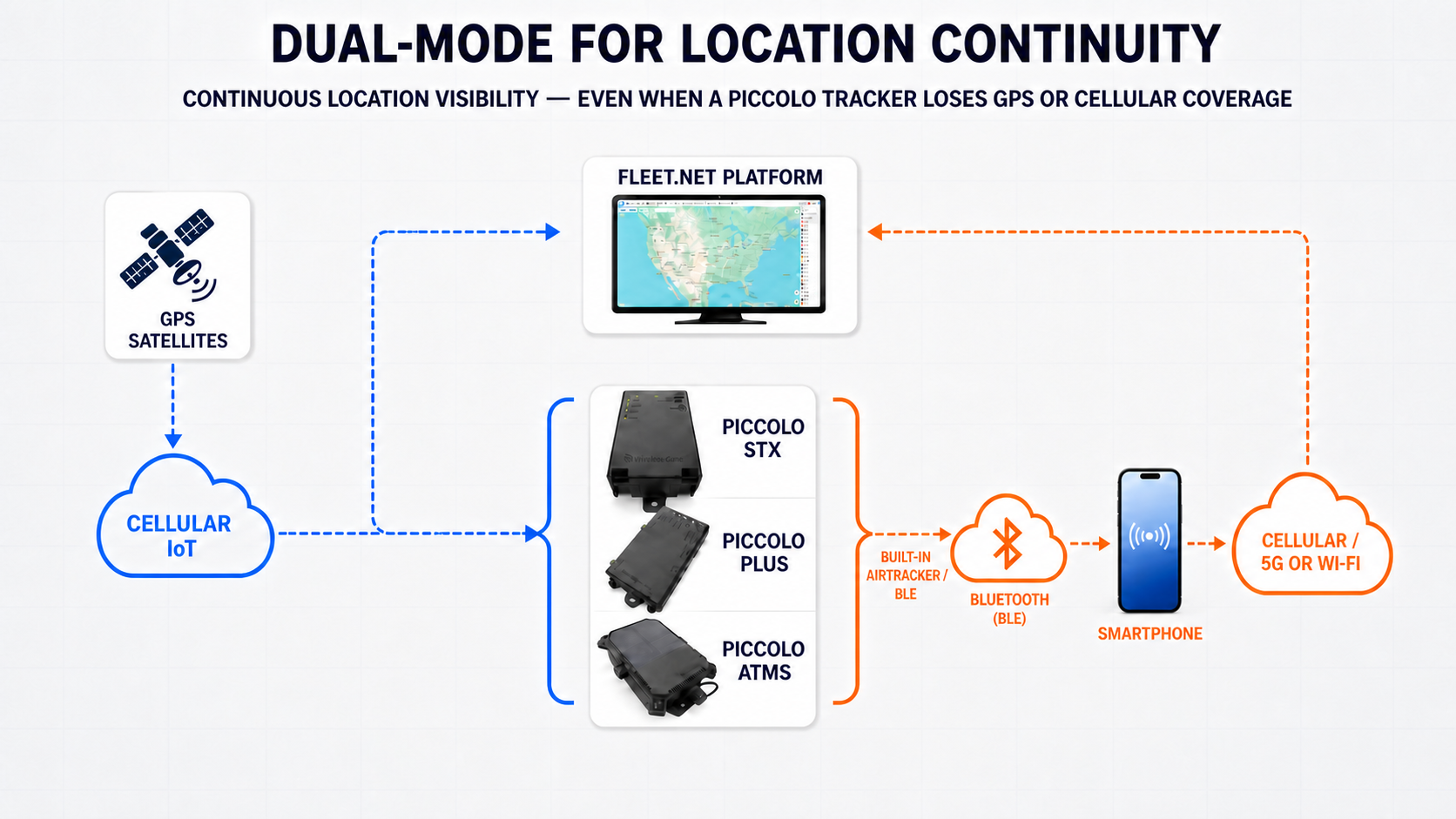
NO MORE – Our Piccolo IoT telematics hardware solutions are the only telematics solutions with dual communication channels that keep transmitting location data—even when the GPS tracker loses cellular or GPS coverage.
The Piccolo IoT family has our unique Air Tracker BLE built in. When a Piccolo IoT device detects that it has lost cellular or GPS coverage, it automatically switches to Air Tracker mode and connects with nearby smartphones. The phone relays a timestamp and location to the Wireless Links cloud, where Fleet.Net displays the truck’s or asset’s last known location and maintains route and location-tracking continuity—with no downtime.
Use the connectivity path that fits each machine, attachment, tool, and operating environment.
Standalone devices communicate directly through the configured cellular or satellite service, providing visibility for assets beyond a local gateway’s coverage.
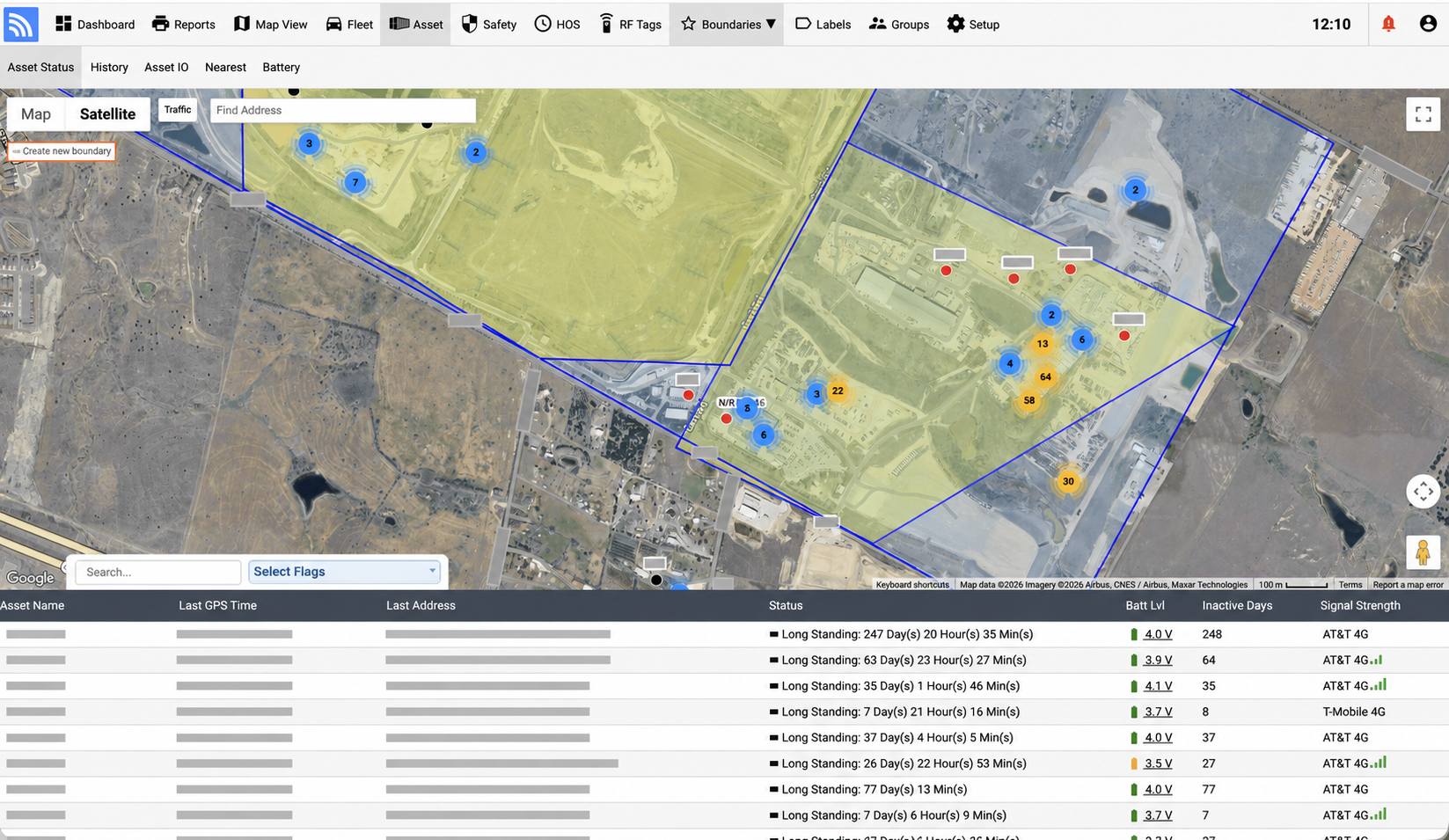
Track equipment on one cloud platform, protect valuable machinery, improve utilization, plan maintenance from actual usage, and reduce unnecessary idling.
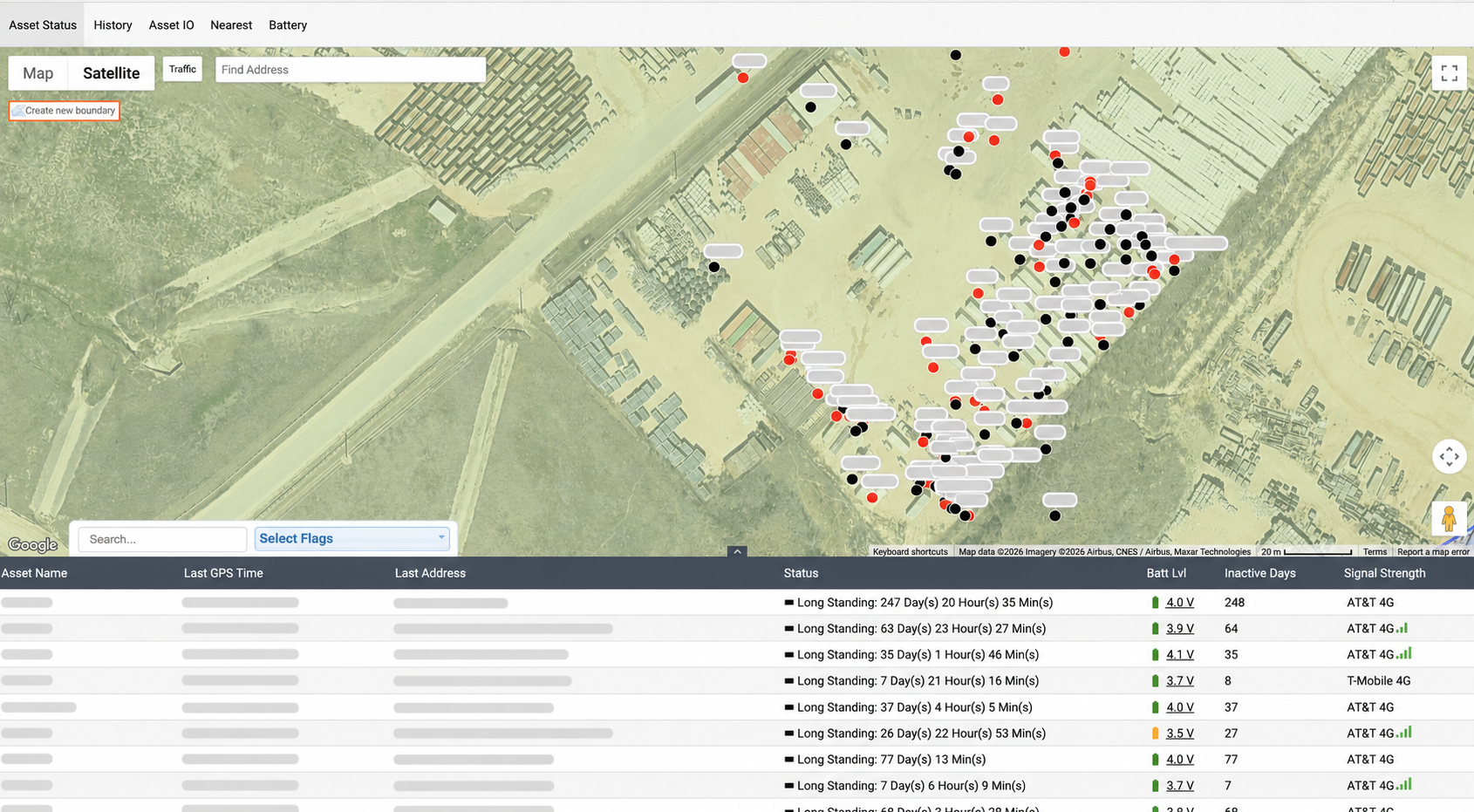
Compare operating activity across machines and jobsites to identify equipment that is working, underused, or available for reassignment.
Use location, movement, and supported engine-hour data to make better allocation decisions before renting or purchasing additional equipment.
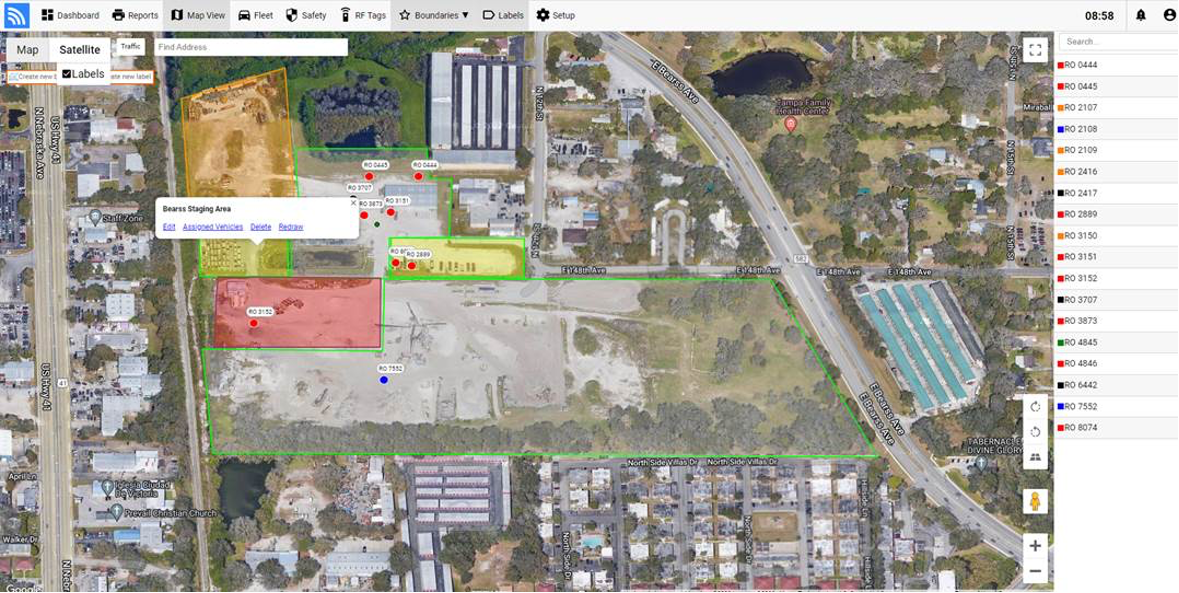
Define boundaries around jobsites, yards, and service locations, then receive configured alerts when equipment enters or exits those areas.
Movement and after-hours alerts help teams identify unauthorized use, investigate unexpected activity, and keep valuable machinery visible.
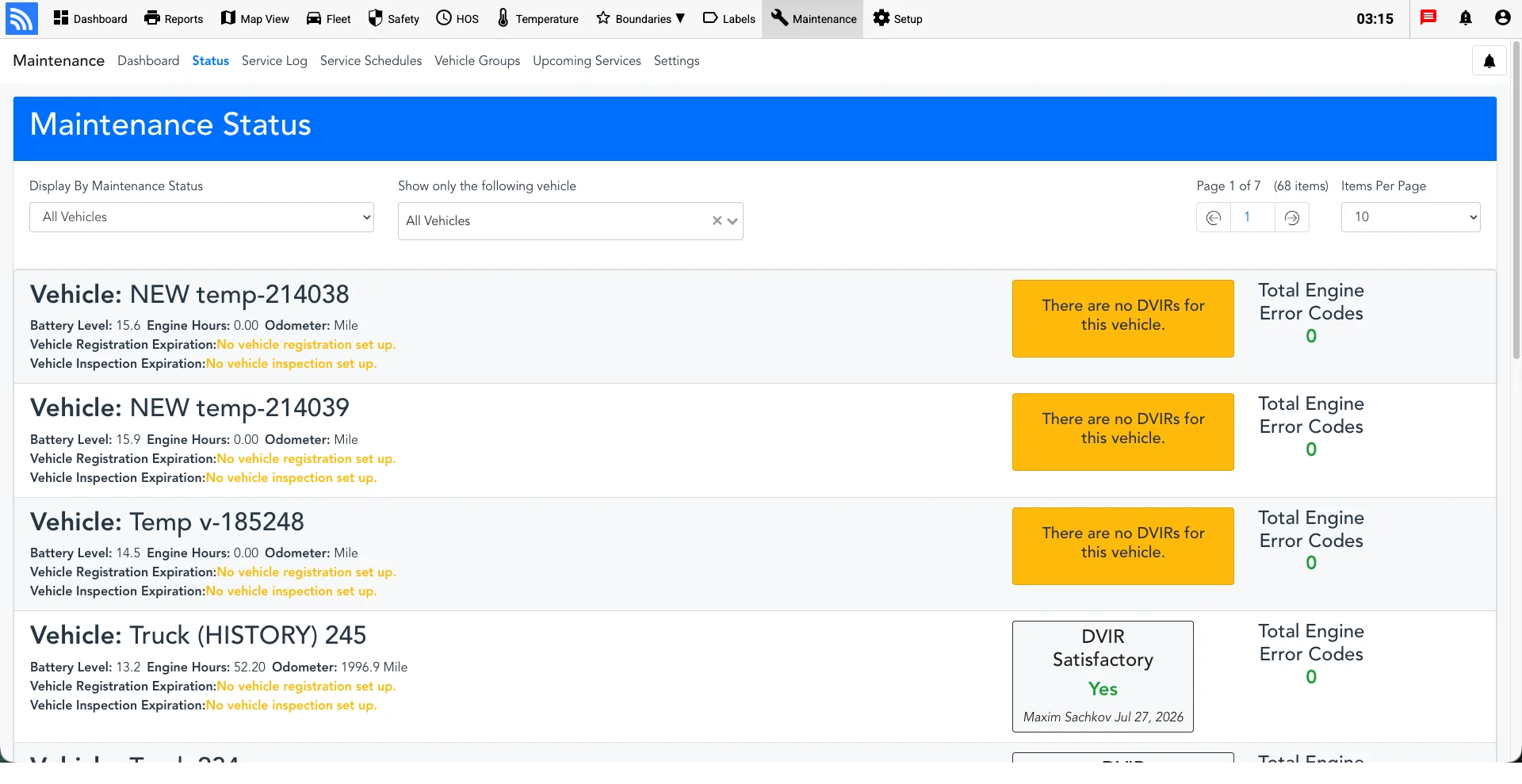
Build service schedules around supported engine hours, mileage, dates, or configured maintenance intervals instead of relying only on calendar reminders.
Review supported diagnostic trouble codes and machine status data to prioritize inspections, plan service, and maintain a clearer equipment history.
Track excessive idle time and supported fuel-use data so managers can identify waste and enforce jobsite operating policies.
Configure alerts for idling outside preferred limits to reduce unnecessary fuel costs, engine wear, and emissions.
Use supported engine-hour data to see how long each machine has operated, without relying on manual hour-meter checks.
Review runtime by asset and date range to support service planning, job costing, equipment allocation, and utilization reporting.
Choose wiring, brackets, magnets, adhesive, or tag mounting based on the asset and operating environment.
Use BLE and LoRa architectures for high-volume tools and attachments where a cellular subscription on every asset is unnecessary.
Connect supported equipment data with other applications and enterprise systems through available integration tools.
Match enclosure, power, reporting, Wi-Fi, sensor, and alert options to the equipment and workflow.
Heavy-equipment tracking supports far more than building construction.
We’ll tailor the hardware, connectivity, reporting frequency, sensors, platform features, and deployment plan to your equipment.
High-value powered machinery may require hardwired telematics and advanced data inputs, while high-volume LoRa or BLE deployments can lower the cost per tracked asset.
Find answers to common operational, installation, and deployment questions.
Modern construction companies use a combination of cloud-based software and connected IoT hardware to track inventory. By placing GPS, BLE, or LoRa tags on heavy machinery, attachments, and smaller tools, companies can view their entire inventory on a digital map. This replaces manual clipboards and spreadsheets, ensuring accurate, real-time counts across multiple yards and active job sites.
Equipment can be tracked with hardwired, battery-powered, solar-assisted, BLE, or other supported devices depending on available power and the required data. Location and supported sensor or diagnostic information is sent to Fleet.Net through the configured connectivity architecture.
Hardware selection depends on asset size, available power, reporting frequency, environment, and whether engine or sensor data is required. Options include hardwired vehicle trackers, rechargeable or long-life battery devices, solar-assisted trackers, and wireless tags.
Yes. Heavy equipment can be tracked with rugged hardwired, battery-powered, or solar-assisted GPS devices selected for the machine’s available power, environment, and required reporting frequency. Location, movement, and configured alerts can then be viewed in Fleet.Net.
Start by identifying the assets, available power, desired reporting frequency, and operational data you need. Wireless Links can then help match each asset with the appropriate hardware and bring the resulting location, usage, and status information into Fleet.Net.
Share your equipment types, fleet size, jobsites, and reporting requirements. We’ll help configure the appropriate hardware, connectivity, sensors, and Fleet.Net capabilities.