
CARB Compliance: What It Means and How to Stay Compliant
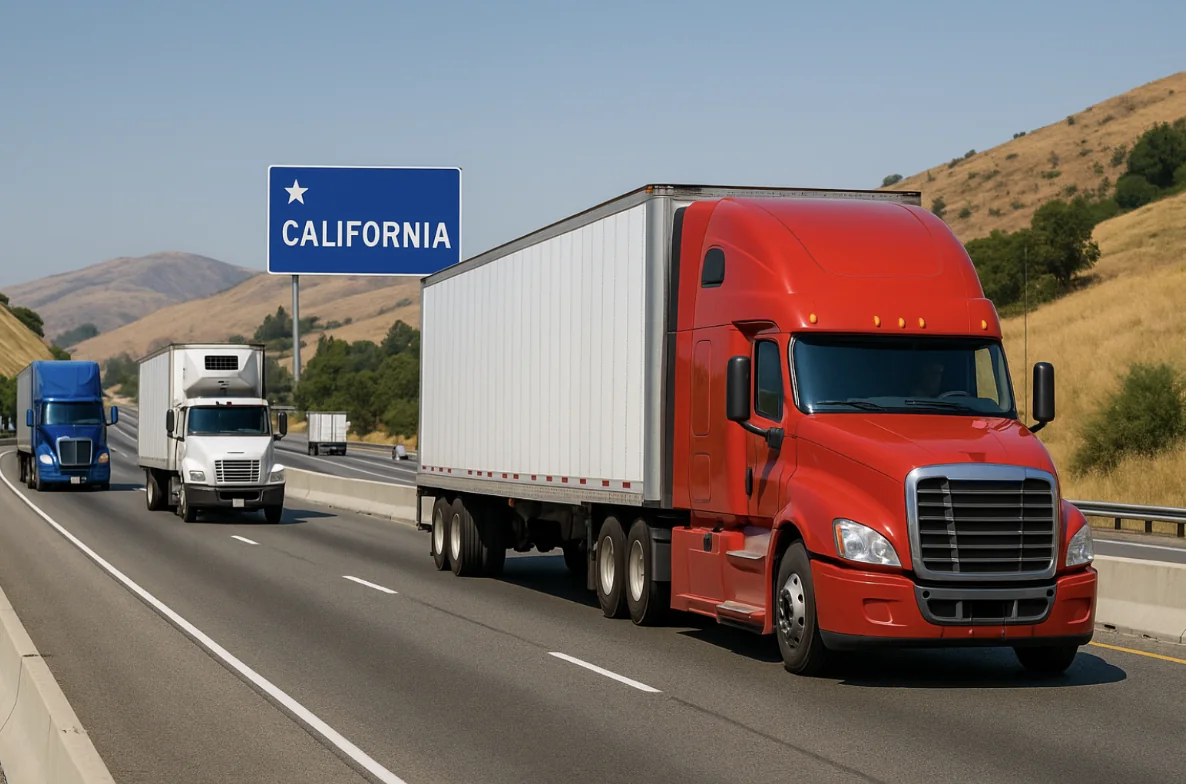
If you operate a vehicle, truck, or piece of equipment in California, you’ve likely heard the term CARB compliant. But what does it actually mean—and why does it matter? This guide breaks down everything you need to know about CARB compliance, including who it affects, how to meet the requirements, and what steps to take to stay compliant.
-
1
Introduction
- 1.1 What Does "CARB Compliant" Mean?
- 1.2 Key Aspects of CARB Compliance
- 1.3 Who Needs to Be CARB Compliant?
- 1.4 Heavy-Duty Vehicles
- 1.5 Small Off-Road Engines (SORE)
- 1.6 Transport Refrigeration Units (TRUs)
- 1.7 How to Become and Stay CARB Compliant
- 1.8 1. Emissions Testing
- 1.9 2. Registration and Reporting
- 1.10 3. Vehicle Maintenance
- 1.11 4. Stay Informed
- 1.12 Why CARB Compliance Matters
What Does "CARB Compliant" Mean?
CARB compliant means that a vehicle, engine, or product meets the emissions standards set by the California Air Resources Board (CARB). These standards are among the strictest in the United States and are designed to reduce air pollution and protect public health.
CARB compliance ensures that the equipment produces fewer harmful emissions, toxins, and particulates—making it environmentally friendly and legally operable in California.
Key Aspects of CARB Compliance
- Adherence to emissions standards: Equipment must meet the strict emission thresholds set by CARB.
- Reduced emissions: CARB-compliant products release fewer pollutants into the atmosphere.
- Legal operation: Vehicles and machinery must comply with CARB rules to operate legally in California—even if registered in another state.
For official details, refer to the California Air Resources Board website.
Who Needs to Be CARB Compliant?
CARB compliance applies to various vehicle types and equipment used in California. Whether you operate a fleet, transport goods, or run off-road machinery, these regulations may apply to you.
Heavy-Duty Vehicles
Almost all diesel and alternative fuel trucks, buses, and vehicles with a Gross Vehicle Weight Rating (GVWR) over 14,000 pounds must comply with CARB programs such as the Clean Truck Check. Compliance includes emissions testing and registration.
Small Off-Road Engines (SORE)
This category includes equipment such as lawnmowers, generators, chainsaws, and leaf blowers. These engines must meet specific emission standards to be sold or operated in California.
Transport Refrigeration Units (TRUs)
Diesel-powered refrigeration units on trucks, trailers, and containers that operate within California must also meet CARB emission standards. Operators are required to register their TRUs and comply with maintenance and reporting requirements.
How to Become and Stay CARB Compliant
Staying compliant with CARB regulations requires consistent maintenance, proper documentation, and awareness of changing rules. Below are the key steps:
1. Emissions Testing
Regular emissions testing is mandatory for most heavy-duty vehicles. This includes smoke opacity testing and submission of onboard diagnostic (OBD) data. These tests help ensure engines operate within approved emissions limits.
2. Registration and Reporting
Vehicles and equipment must be registered with CARB, and operators must complete annual reporting. The CARB database helps track compliance across fleets and equipment types.
3. Vehicle Maintenance
Proper maintenance is critical for compliance. For example, as of January 1, 2023, all diesel trucks operating in California must have an engine no older than model year 2010, with limited exceptions. Regular servicing of emissions control systems ensures continued compliance.
4. Stay Informed
CARB regulations evolve frequently. Visit the CARB official site regularly to stay up-to-date on new rules, deadlines, and compliance programs.
Why CARB Compliance Matters
Failing to meet CARB requirements can result in fines, registration holds, and operating restrictions. Beyond the legal implications, CARB compliance contributes to cleaner air, improved public health, and a more sustainable environment.
Businesses that comply also gain access to more markets and avoid costly disruptions due to non-compliance penalties.
In summary, CARB compliance is not just a legal requirement—it’s a commitment to sustainability and public health. Whether you manage a trucking fleet, operate off-road equipment, or own a small business that uses diesel engines, ensuring your assets are CARB compliant helps you stay on the right side of the law while contributing to a cleaner California.
Get a Live Demo
Fill out the form below and a member of our team will get back to you
Article Author

Related Resources
- Best AirTag Alternatives (2026): Top Trackers for iPhone, Android, Wallets, and Business Assets January 19, 2026
- Commercial Fleet Insurance: Everything You Need to Know December 08, 2025
- What Does DEF Fuel Mean? November 30, 2025