
What is WDR Dash Cam? Everything You Need to Know
What is a WDR Dash Cam?
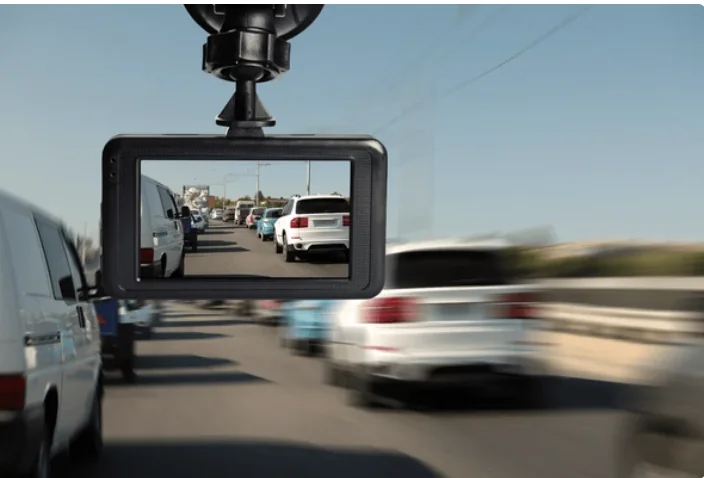
A WDR (Wide Dynamic Range) dash cam uses advanced technology to improve video clarity in high-contrast lighting conditions. It balances light and dark areas in the footage, making details visible even when there are bright highlights or deep shadows. This feature is especially useful during night driving, in tunnels, or when facing sunlight.
Our AI2020 Fleet Dash Cam uses WDR technology to capture a crisp image every time. And our side and rear cameras use IR for night vision so we always capture what's happening on the road.
What Are the Benefits of WDR?
WDR offers several advantages:
Improved Clarity: Enhances visibility in low-light or overexposed areas.
Balanced Lighting: Reduces glare and bright spots in footage.
Enhanced Night Vision: Provides clearer recordings at night or in dimly lit areas.
Better Evidence Collection: Ensures crucial details like license plates are visible in varying lighting conditions.
How WDR Dash Cams Work
WDR technology works by capturing multiple frames of the same scene at different exposure levels and combining them into one balanced image. This process ensures that both bright and dark areas are well-lit and detailed.
Should WDR Be On or Off?
It’s recommended to keep WDR on, especially when driving in conditions with varying lighting, such as sunrise, sunset, or heavily shaded areas. However, turning it off in uniformly lit environments might reduce processing demands and save power.
When to Use WDR
Use WDR in scenarios like:
Nighttime driving.
Direct sunlight or reflections off wet roads.
High-contrast environments, such as tunnels or tree-lined streets.
What's the Difference Between HDR and WDR?
HDR (High Dynamic Range): Focuses on enhancing image quality by balancing light and dark areas but is often used in still photography and high-end video recording.
WDR (Wide Dynamic Range): Specifically tailored for continuous video recording and real-time adjustments, making it ideal for dash cams.
Which is Better, HDR or WDR?
For dash cams, WDR is better suited due to its ability to handle real-time video adjustments efficiently. HDR might offer better image quality in specific scenarios but isn’t always practical for continuous recording.
Should I Turn On HDR on My Dash Cam?
If your dash cam supports HDR, it can be beneficial in static or specific driving conditions. However, WDR generally provides a more balanced solution for real-time video capture.
Is It Better With or Without HDR?
Using HDR can enhance image quality but may increase power consumption and processing load. If your primary concern is consistent, reliable footage, WDR is a more practical option for most drivers.
Get a Live Demo
Fill out the form below and a member of our team will get back to you
Article Author

Related Resources
- Best AirTag Alternatives (2026): Top Trackers for iPhone, Android, Wallets, and Business Assets January 19, 2026
- Commercial Fleet Insurance: Everything You Need to Know December 08, 2025
- CARB Compliance: What It Means and How to Stay Compliant December 04, 2025