
Smarter Waste Management: How RFID and Fleet Tracking Are Changing the Game
-
1
Introduction
- 1.1 RFID Waste Management Fleet Tracking
- 1.2 What Is RFID in Waste Management?
- 1.3 What Does RFID Mean at the Dump?
- 1.4 How RFID Works in Waste Collection
- 1.5 Why It’s Worth It: Key Benefits of RFID Waste Management
- 1.6 RFID + Fleet Tracking = Total Visibility
- 1.7 Get to Know the Software
- 1.8 How to Get Started with RFID Waste Management
- 1.9 FAQs
- 1.10 What is RFID in waste management?
- 1.11 What does RFID mean at the dump?
- 1.12 How to use RFID in the context of waste management?
- 1.13 How to track waste management fleets?
- 1.14 What are the benefits of waste management fleet tracking?
- 1.15 What is the purpose of an RFID?
- 1.16 What are RFID bins?
- 1.17 What is the green chip under my bin?
RFID Waste Management Fleet Tracking
Smarter Waste Management: How RFID and Fleet Tracking Are Changing the Game
As cities expand and people become more conscious about the environment, the need for smarter, more efficient waste management has never been greater. That’s where RFID (Radio Frequency Identification) technology comes in. Paired with advanced fleet tracking and telematics tools, RFID is helping waste collection companies like yours streamline operations, cut costs, and boost service quality.
In this article, we’ll break down what RFID waste management is, how it works, and how Wireless Links' cutting-edge solutions can help you make the most of it.
What Is RFID in Waste Management?
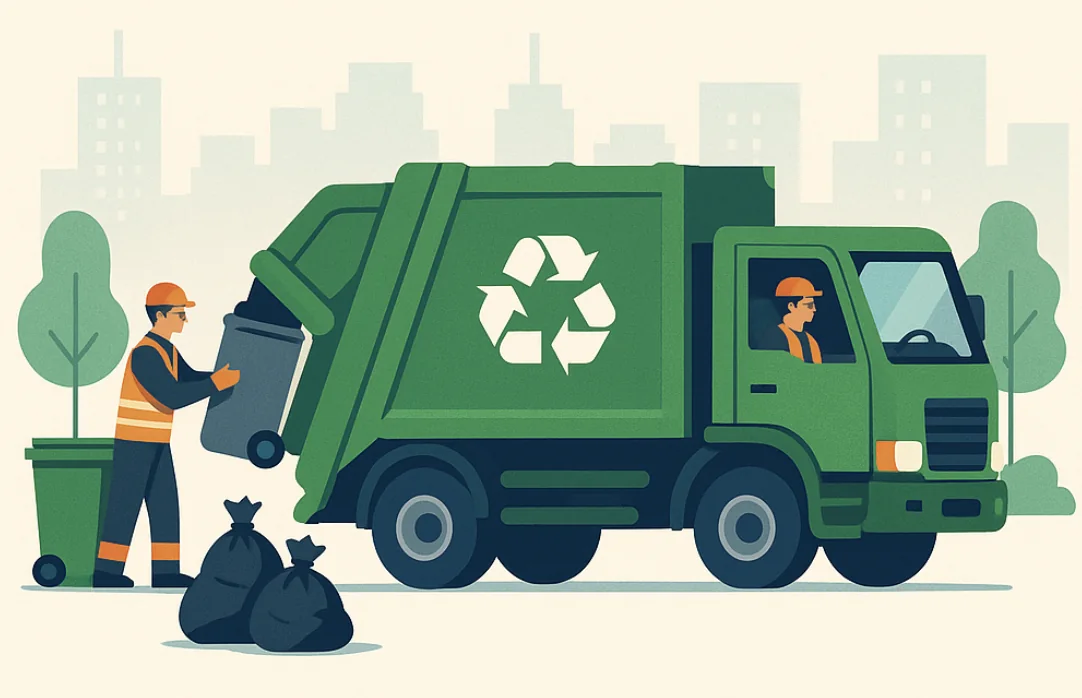
RFID technology lets you automatically identify and track waste bins using tiny chips (RFID tags). These chips are usually installed on or inside waste bins and scanned by RFID readers on garbage trucks. This means no more guesswork, you get real-time data about which bins were emptied, when, and even how full they were.
What Does RFID Mean at the Dump?
At the landfill or dumping site, RFID lets you quickly identify trucks and what they’re carrying. The system logs everything from truck ID and waste type to entry time and load weight. It speeds things up, reduces paperwork, and helps ensure that everything is properly recorded.
How RFID Works in Waste Collection
Here’s a simple look at how RFID waste collection works:
- RFID Tags on Bins: Each bin gets a unique RFID chip (sometimes called a “green chip”).
- RFID Readers on Trucks: As bins are picked up, readers on the truck automatically scan the tag.
- Data Syncs to the Cloud: That info goes straight into a central waste management platform.
Managers Stay in the Know: You can see exactly when and where bins were collected, and generate reports to back it up.
Why It’s Worth It: Key Benefits of RFID Waste Management
- Know What Was Collected and When
- Plan Smarter Routes with Real-Time Data
- Avoid Missed Pickups and Complaints
- Get Billing Right with Weight-Based Pricing
- Move Faster Through Dumps and Transfer Stations
- Keep Your Customers Happy
RFID + Fleet Tracking = Total Visibility
RFID tells you what was picked up and when. Fleet tracking shows how your vehicles got there, what route they took, and how your drivers performed. Together, they give you full control over your waste collection operation.
With Wireless Links’ telematics and GPS tools, you’ll know:
- Where every vehicle is in real time
- If drivers are sticking to their routes
- How safely and efficiently they’re driving
- When vehicles need maintenance
Get to Know the Software
Wireless Links’ RFID-ready platform brings everything into one easy-to-use dashboard:
- Live Map View: See where your trucks are and where they’ve been
- Bin Pickup Reports: Track exactly which bins were collected and when
- Custom Alerts: Get notified about missed bins, overweight loads, or off-route vehicles
- Data Insights: Understand trends and KPIs that help you improve your operations
How to Get Started with RFID Waste Management
- Tag your waste bins with RFID chips
- Equip your trucks with RFID readers and GPS devices
- Use our software to monitor everything in one place
- Use the data to adjust routes, fix issues, and deliver better service
FAQs
What is RFID in waste management?
It’s a way to use radio waves to identify and track waste bins automatically.
What does RFID mean at the dump?
It’s used to quickly recognize vehicles and waste types for faster, more accurate processing.
How to use RFID in the context of waste management?
Tag your bins, install readers on trucks, and use software to collect and analyze the data.
How to track waste management fleets?
Use a fleet management system with GPS tracking, driver behavior monitoring, and route planning tools.
What are the benefits of waste management fleet tracking?
You save money, improve safety, stay on schedule, and gain full transparency.
What is the purpose of an RFID?
To identify and track things automatically, like bins and trucks.
What are RFID bins?
Bins with built-in RFID chips that let your system know exactly which bin it is.
What is the green chip under my bin?
That’s an RFID tag. It helps waste collection crews know your bin’s ID and track pickups.
At Wireless Links, we build RFID-ready telematics systems that help waste operators work smarter, not harder. Want to improve your service and cut costs? Let’s talk.
Get a Live Demo
Fill out the form below and a member of our team will get back to you
Article Author

Related Resources
- Best AirTag Alternatives (2026): Top Trackers for iPhone, Android, Wallets, and Business Assets January 19, 2026
- Commercial Fleet Insurance: Everything You Need to Know December 08, 2025
- CARB Compliance: What It Means and How to Stay Compliant December 04, 2025