
RFID Asset Tracking Explained: A Comprehensive Guide
-
1
Introduction
- 1.1 What is RFID Asset Tracking?
- 1.2 How RFID Asset Tracking Works
- 1.3 RFID Use Cases:
- 1.4 Comparative Analysis
- 1.5 We Offer A Complete Family RFID Tags Integrated With GPS Tracking
- 1.6 Mini IoT Tag
- 1.7 Wireless Door Sensor
- 1.8 Mini IoT Waterproof Tag
- 1.9 Can you track something with RFID?
- 1.10 What is the purpose of RFID tracking?
- 1.11 Can an RFID chip be used to track stock?
- 1.12 How far can you track RFID?
- 1.13 How long do RFID chips last?
- 1.14 Are RFID tags anti-theft?
- 1.15 Can my cell phone read RFID?
- 1.16 Does RFID have GPS tracking?
- 1.17 How accurate is RFID tracking?
- 1.18 How much does an RFID asset tag cost?
- 1.19 Can you track something with RFID?
- 1.20 How does RFID track assets?
What is RFID Asset Tracking?
RFID Asset Tracking is the process of using Radio-Frequency Identification (RFID) technology to automatically identify and track assets in real time. Each asset is tagged with an RFID chip that contains a unique identifier. RFID readers then scan these tags to monitor the location, status, and movement of items within a facility or across a supply chain.
For an active RFID deployment, explore RFLink readers and tags. Compare the wider asset-tracking range, including BLE tag options, when choosing a technology.
This system provides an efficient and cost-effective way for businesses to manage high-value assets, reducing reliance on manual tracking methods like spreadsheets or pen and paper, and helping prevent losses while maximizing asset utilization. RFID tracking streamlines operations by offering accurate, real-time data on assets, making it an indispensable tool in modern asset management.
How RFID Asset Tracking Works
RFID technology uses radio waves to transfer data between a tag and a reader. The tag, which contains a microchip and antenna, transmits its unique ID when within range of the reader.
There are three types of RFID systems:
- Passive RFID: No battery, powered by the reader's signal. Cost-effective for applications like inventory management and access control.
- Frequency Bands:
- Low-Frequency (LF): 125–134.2 kHz, used for applications like animal tracking and access control.
- High-Frequency (HF): 13.56 MHz, including NFC, used in smart cards, payment systems, and inventory tracking.
- Ultra-High-Frequency (UHF): 860–960 MHz, ideal for supply chain management, allowing longer read ranges (up to 10 meters).
- Use Cases: Passive RFID is widely used in inventory tracking, retail product management, library systems, and waste bin tracking because of its low cost and maintenance-free operation.
- Frequency Bands:
- Active RFID: Battery-powered, enabling longer-range tracking for high-value assets and vehicles.
- Frequency Bands: Usually operate in UHF or microwave ranges (2.45 GHz).
- Use Cases: Active RFID is used for high-value asset tracking (such as vehicles, containers, or tools), real-time location tracking (RTLS), and cold chain logistics to monitor temperature-sensitive goods in transit.
- Semi-passive RFID: Battery-assisted, providing extended range while conserving power.
- Frequency Bands: Typically UHF.
- Use Cases: Semi-passive RFID tags are used for monitoring environmental conditions (e.g., temperature or humidity during shipping) and tracking medical equipment in healthcare facilities.
RFID operates across different frequency bands, such as LF for access control, HF/NFC for payments, and UHF for supply chain tracking, offering tailored solutions for various business needs.
Learn more about the differences between RFID and NFC technologies here.
RFID Use Cases:
RFID For Inventory & Tool Tracking: RFID For Shipment Tracking: Passive RFID For Waste Management RFID For Inventory & Tool Tracking:Utility companies can benefit greatly by utilizing RFID to track specialized tools and equipment used by field teams. Active RFID tags attached to tools allow managers to monitor when and where tools are issued and returned, helping to prevent loss and theft. Systems like our Tag & Track solution provide real-time visibility into tool availability, enabling quick deployment for emergency repairs. In addition, active RFID tags can be used to track larger equipment, such as transformers or vehicles, ensuring that high-value assets are accounted for and maintained properly. This streamlines audits, improves operational efficiency, and reduces downtime by ensuring critical tools are always accessible when needed.

RFID For Shipment Tracking:
RFID tags attached to cargo containers allow companies to monitor shipments throughout the supply chain. RFID tags communicate with Piccolo IoT Readers which provide real-time updates as goods move through the supply chain reducing delays and minimizing errors in logistics.

Passive RFID For Waste Management
RFID enables efficient waste collection by tagging bins with passive RFID chips. Garbage trucks equipped with RFID readers log each bin’s pickup in real time, optimizing routes and ensuring all collections are completed. Combined with GPS tracking, operators can monitor collection performance and resolve issues like missed pickups or damaged bins promptly.

Comparative Analysis
Each asset tracking technology—RFID, barcode scanning, and GPS tracking—has its own strengths and limitations, suitable for different use cases:
RFID Tracking:
- Pros: Efficient, fast data capture without line-of-sight, reads multiple tags at once, and durable for harsh conditions. Active RFID offers real-time updates.
- Cons: Higher cost than barcodes, with limited read range, especially in challenging environments.
Barcode Scanning:
- Pros: Affordable, universally compatible, accurate when scanned properly.
- Cons: Requires line-of-sight, limited data capacity, and less suitable for real-time or complex tracking.
GPS Tracking:
- Pros: Provides global, high-accuracy, real-time tracking, ideal for vehicles and mobile assets.
- Cons: Relies on satellite signals, less effective indoors, high power consumption, and costly.
Choosing the right technology depends on your business needs, asset type, environment, and budget. Many companies use a mix of these technologies to balance their strengths and limitations for effective asset management.
We Offer A Complete Family RFID Tags Integrated With GPS Tracking

Mini IoT Tag
- Coin battery operated . Up to 16 months.
- RFID range up to 50ft
- 1.41" x 1.41" x .22" (36*36*5.6mm)
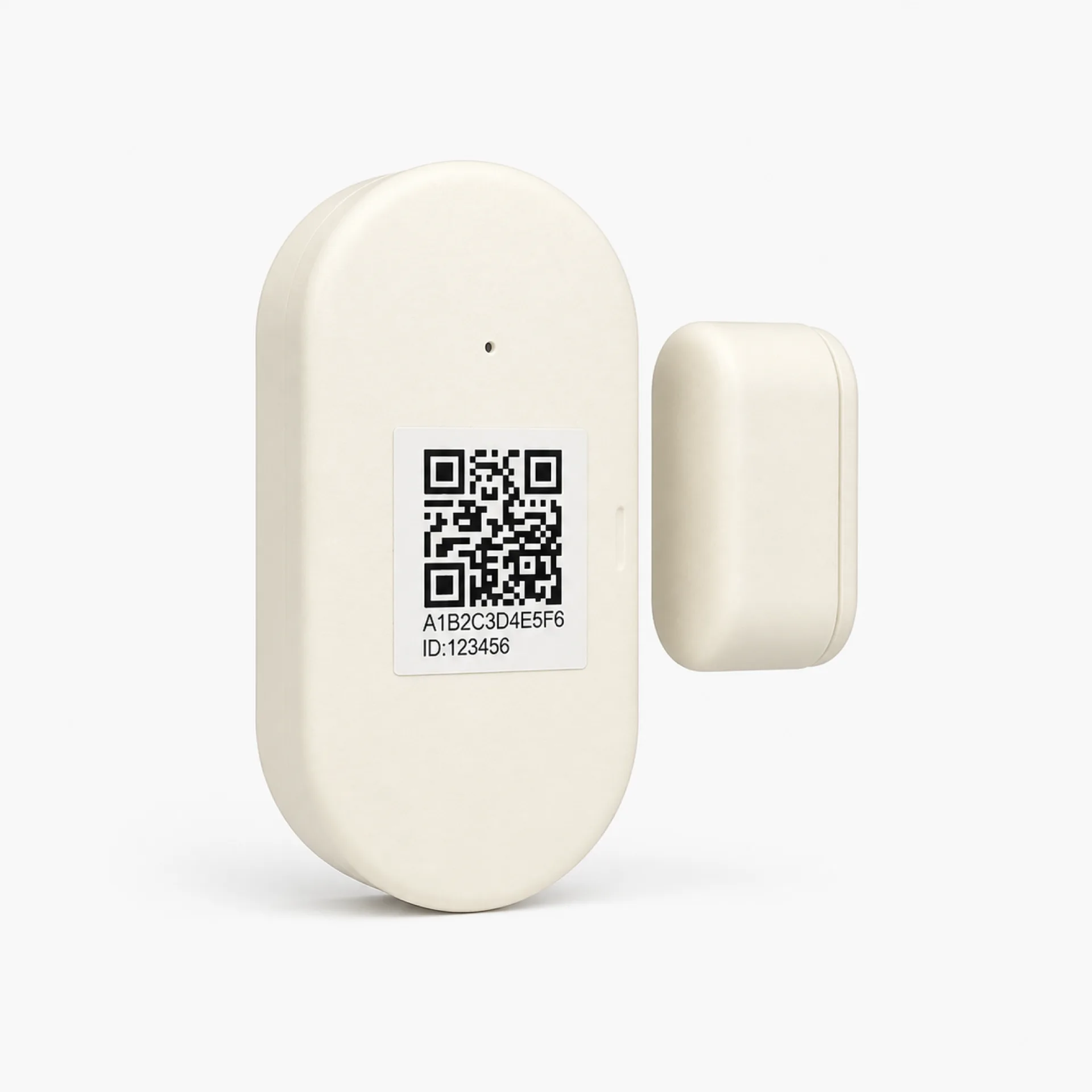
Wireless Door Sensor
- Easy, Simple Installation
- Up to 18-month battery life
- RFID range up to 100ft
- 52*26*14.5mm(Main Sensor) 25*12*14mm(Secondary sensor)
- Includes Integrated Temperature Sensor
- Tamper Alert

Mini IoT Waterproof Tag
- Can better withstand harsh conditions such as precipitation, temperature change and water exposure
- IP67 Waterproof enclosure
- RFID range up to 50ft
- Battery life of up to 3 years, Non-replaceable
Can you track something with RFID?
Yes, RFID technology is designed specifically to track items. RFID readers capture data from RFID tags attached to objects, allowing for tracking in various applications like inventory management, asset monitoring, and even access control.
What is the purpose of RFID tracking?
The purpose of RFID tracking is to provide automated identification and monitoring of items or assets. This improves efficiency by reducing manual processes, increasing accuracy, and allowing real-time visibility of asset locations, status, and movements.
Can an RFID chip be used to track stock?
Yes, RFID chips can be used to track stock in warehouses, retail stores, and supply chains. By tagging inventory with RFID chips, businesses can monitor stock levels, track item movement, and quickly locate specific products.
How far can you track RFID?
The tracking range of RFID depends on the type of RFID system:
- Passive RFID: Typically has a read range of up to 10 meters (33 feet).
- Active RFID: Can have a read range of up to 100 meters (328 feet) or more, as these tags have their own power source.
How long do RFID chips last?
Passive RFID chips can last indefinitely, as they have no battery and rely on the reader for power. Active RFID chips, which use batteries, typically last between 3 to 10 years, depending on usage and battery type.
Are RFID tags anti-theft?
RFID tags can be used as part of anti-theft systems, especially in retail. But for asset tracking use-cases RFID is not the ideal choice as tracking functionality is limited to when the tags are in range of RFID readers, therefore recovery is severely difficult.
Can my cell phone read RFID?
Most smartphones equipped with NFC (Near Field Communication) technology can read certain types of HF RFID tags, typically operating at 13.56 MHz. However, phones are generally unable to read UHF RFID tags, which are used in broader industrial applications.
Does RFID have GPS tracking?
RFID does not typically have GPS tracking capabilities. RFID is designed for short- to mid-range tracking via RFID readers.
However, we have integrated a family of RFID solutions with our GPS systems, such as our Piccolo IoT solution
How accurate is RFID tracking?
RFID tracking is highly accurate in controlled environments. Passive RFID can track items within a range of a few meters with good accuracy, while active RFID can offer broader range tracking. However, accuracy can be affected by environmental factors such as interference from metal or liquids.
How much does an RFID asset tag cost?
The cost of RFID asset tags varies depending on the type, material, and functionality. Passive RFID tags (which do not have an internal power source) can cost between $.50 and $6 per tag, while active RFID tags (which contain a battery) can cost between $10 and $50 or more.
Can you track something with RFID?
Before deployment, identify where tags will be read and how each reading will be associated with an asset record. Test the workflow with the items and locations your team actually uses.
How does RFID track assets?
RFID tracks assets by attaching RFID tags to the items, which store identifying information. RFID readers scan these tags and transmit the data to a central system, allowing for real-time monitoring of the assets' locations, movements, and status.
Get a Live Demo
Fill out the form below and a member of our team will get back to you
Article Author

Related Resources
- Best AirTag Alternatives (2026): Top Trackers for iPhone, Android, Wallets, and Business Assets January 19, 2026
- Commercial Fleet Insurance: Everything You Need to Know December 08, 2025
- CARB Compliance: What It Means and How to Stay Compliant December 04, 2025