
How to Monitor Temperature Remotely Without WiFi
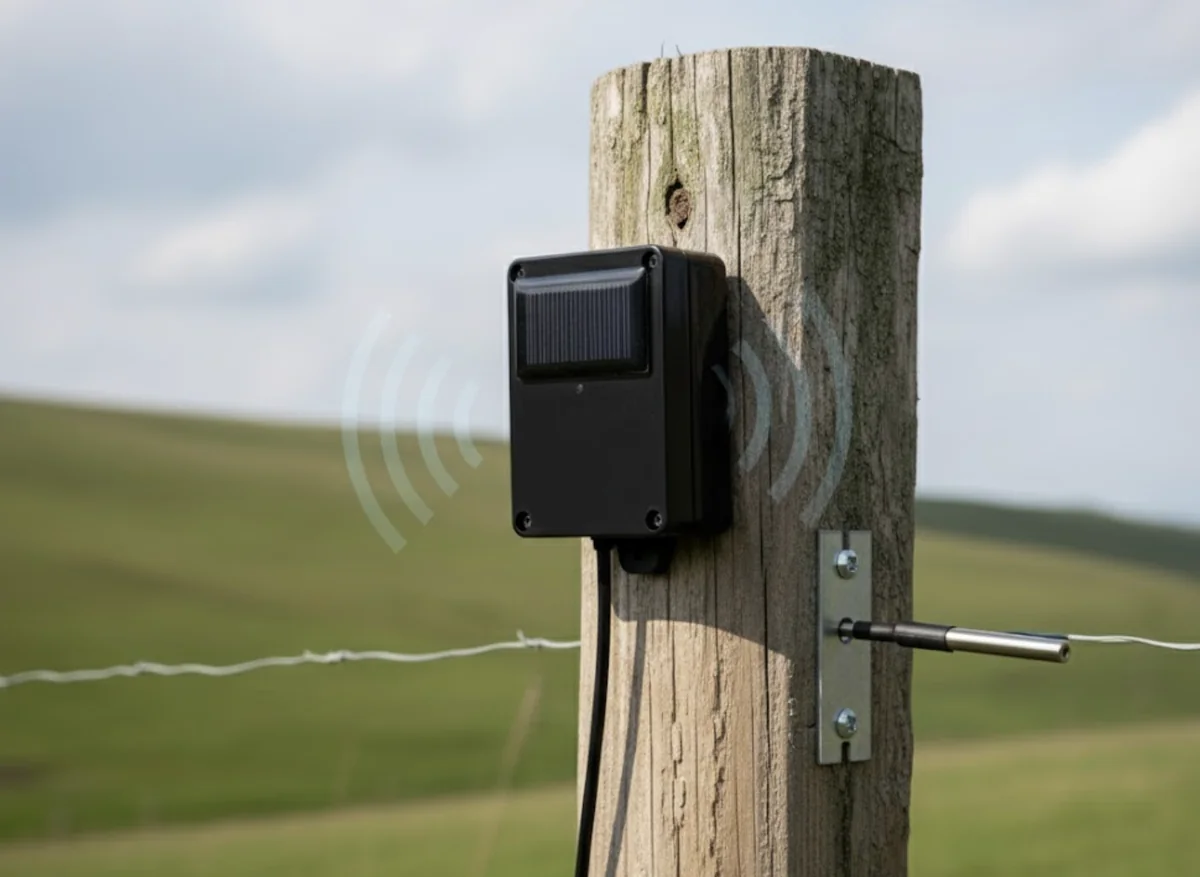
Remote temperature monitoring is essential in many scenarios, from protecting vacation homes and cabins from freezing, to maintaining cold-chain compliance in logistics, agriculture, healthcare, and industrial environments.
While WiFi is commonly used for temperature monitoring in homes, offices, and warehouses, it’s not always available or reliable. Remote locations, mobile assets, seasonal properties, and outdoor environments often require temperature monitoring without WiFi.
The good news is that there are several proven technologies that allow you to monitor temperature remotely without WiFi, including cellular, LoRa, and satellite-based solutions. This guide explains how they work, their differences, and how to choose the right option for your use case.
-
1
Introduction
- 1.1 What Is Remote Temperature Monitoring?
- 1.2 How to Monitor Temperature Remotely Without WiFi
- 1.3 1. Cellular Temperature Monitoring (Most Common)
- 1.4 2. LoRa Temperature Monitoring (Private Long-Range Networks)
- 1.5 3. Satellite Temperature Monitoring (Remote & Off-Grid Locations)
- 1.6 LoRa vs Cellular Temperature Monitoring: Key Differences
- 1.7 How to Choose the Right Remote Temperature Monitoring Solution
- 1.8 Location & Coverage
- 1.9 Power Requirements
- 1.10 Monitoring Needs
- 1.11 Cost
- 1.12 Common Use Cases for Remote Temperature Monitoring Without WiFi
- 1.13 Can You Monitor Temperature With a Phone App Alone?
- 1.14 Final Thoughts
What Is Remote Temperature Monitoring?
Remote temperature monitoring refers to the ability to measure, transmit, and access temperature data from a distant location without being physically present. Most systems include:
A temperature sensor
A communication method (cellular, LoRa, satellite, etc.)
A cloud platform or alerting system (web dashboard, app, SMS, or email)
Unlike basic thermometers, remote temperature monitoring systems provide real-time visibility, alerts, and historical data, helping you react before temperature issues cause damage or losses.
How to Monitor Temperature Remotely Without WiFi
If WiFi isn’t available, temperature monitoring systems typically rely on one of the following methods:
1. Cellular Temperature Monitoring (Most Common)
Cellular temperature monitoring devices use mobile networks (4G/LTE/5G) to send temperature data directly to the cloud using a SIM card.
How it works:
Built-in or external temperature sensors measure temperature at set intervals
Data is transmitted over a cellular network
Users access readings via a web dashboard, mobile app, or alerts (SMS/email)
Best for:
Vacation homes and cabins
Greenhouses
Refrigeration units
Mobile assets and shipments
Locations with cellular coverage but no WiFi
Key benefits:
No gateway or local internet required
Real-time alerts for high/low temperatures
Simple deployment and portability
Considerations:
Requires cellular coverage
Ongoing SIM or data plan costs
Higher power consumption than LoRa
2. LoRa Temperature Monitoring (Private Long-Range Networks)
LoRa (Long Range) technology is a low-power, long-distance wireless communication method designed for sensor networks.
How it works:
Temperature sensors communicate via LoRa to a local gateway
The gateway sends data to the cloud using cellular, Ethernet, or WiFi
Users view data through a cloud platform or app
Best for:
Farms and agricultural facilities
Warehouses and cold rooms
Industrial sites
Campuses or large properties
Key benefits:
Extremely low power consumption (battery life measured in years)
Long-range coverage (several kilometers)
No per-sensor cellular subscriptions
Cost-effective for multiple sensors
Considerations:
Requires installation of a gateway
Less suitable for moving assets
Initial setup is more complex than cellular loggers
3. Satellite Temperature Monitoring (Remote & Off-Grid Locations)
Satellite-based temperature monitoring uses satellite networks to transmit data where neither WiFi nor cellular service exists.
Best for:
Extremely remote locations
Off-grid cabins
Environmental monitoring
Infrastructure in wilderness areas
Key benefits:
Works anywhere with a clear view of the sky
Independent of local connectivity
Considerations:
Higher hardware and service costs
Lower data transmission frequency
Typically used only when no other option is available
LoRa vs Cellular Temperature Monitoring: Key Differences
| Feature | LoRa | Cellular |
| Internet needed onsite | Gateway only | No |
| Coverage | Several km (local) | Depends on cell coverage |
| Power consumption | Very low | Moderate to high |
| Ongoing costs | Low | Monthly data plans |
| Mobility | Fixed locations | Ideal for mobile use |
| Setup complexity | Medium | Very simple |
How to Choose the Right Remote Temperature Monitoring Solution
When deciding how to monitor temperature remotely without WiFi, consider the following:
Location & Coverage
Is cellular service available?
Is the site fixed or mobile?
Is the area rural, indoor, or industrial?
Power Requirements
Battery-powered vs wired
Expected battery life
Environmental conditions (cold impacts batteries)
Monitoring Needs
Real-time alerts vs periodic logging
Temperature only or humidity, power loss, and air quality
Historical data and compliance reporting
Cost
Hardware cost
Monthly cellular or satellite fees
Gateway and infrastructure costs for LoRa
Common Use Cases for Remote Temperature Monitoring Without WiFi
Vacation homes & cabins – prevent frozen pipes and heating failures
Cold chain logistics – monitor shipments in transit
Agriculture – barns, greenhouses, and crop storage
Healthcare & labs – vaccines and sensitive materials
Industrial facilities – cold rooms, freezers, and remote sites
Can You Monitor Temperature With a Phone App Alone?
Smartphones do not have accurate ambient temperature sensors for room or building monitoring. Apps that claim to measure room temperature rely on external sensors or connected devices. For reliable remote temperature monitoring, dedicated hardware is required.
Final Thoughts
If you’re looking to monitor temperature remotely without WiFi, cellular and LoRa-based solutions are the most practical and widely used options today. Cellular devices offer simplicity and mobility, while LoRa provides a scalable, low-cost solution for fixed installations with multiple sensors.
Choosing the right technology depends on your location, power availability, monitoring requirements, and budget but reliable remote temperature monitoring is absolutely possible even without WiFi.
Article Author

Related Resources
- Best AirTag Alternatives (2026): Top Trackers for iPhone, Android, Wallets, and Business Assets January 19, 2026
- Commercial Fleet Insurance: Everything You Need to Know December 08, 2025
- CARB Compliance: What It Means and How to Stay Compliant December 04, 2025