
DOT Trailer Inspections Made Simple: A Friendly Guide for Fleet Operators
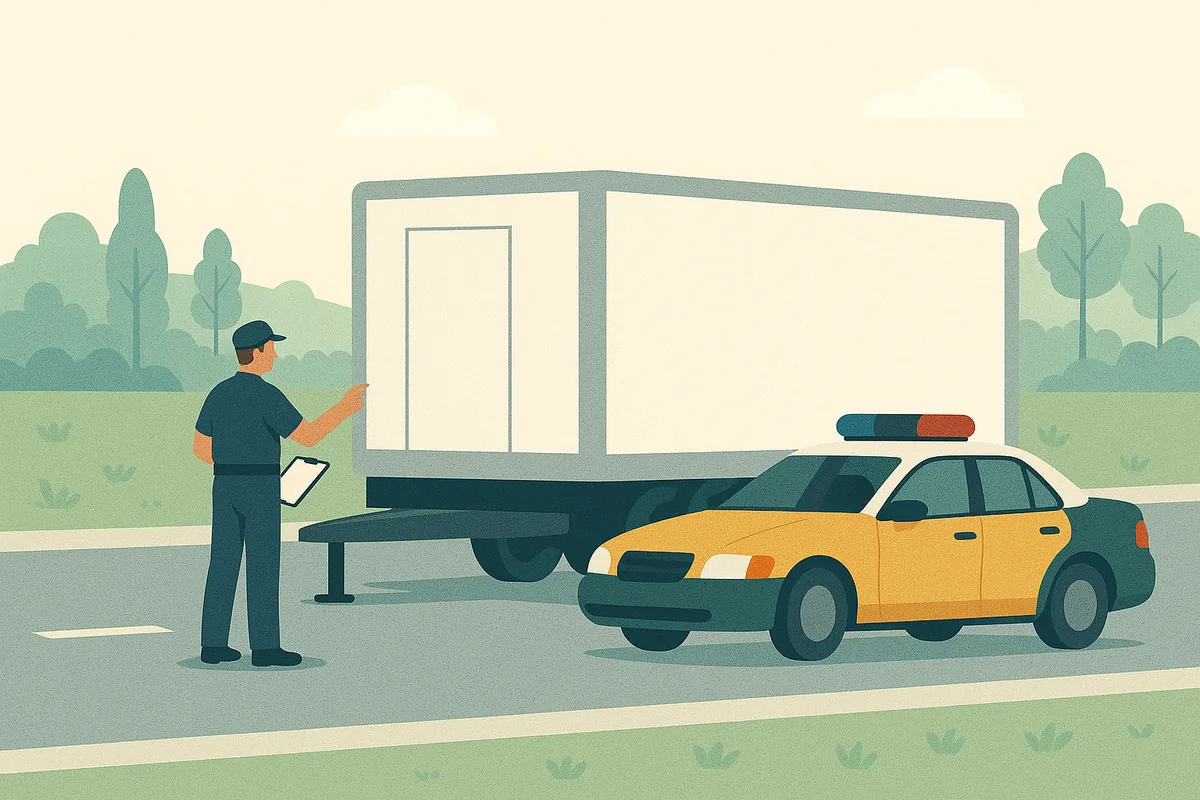
If you’re moving trailers, flatbeds, reefers, tankers, dry vans, you name it, you’ve probably had to deal with a DOT trailer inspection. These inspections aren’t just red tape; they’re about keeping your drivers, cargo, and everyone else on the road safe.
This guide breaks it all down for you, no legal jargon, just the facts and what you really need to know.
-
1
Introduction
- 1.1 What’s a DOT Trailer Inspection, Anyway?
- 1.2 Do You Really Need a DOT Inspection?
- 1.3 What Makes a Trailer DOT Compliant?
- 1.4 Getting Ready for Inspection: What You’ll Need
- 1.5 Inspection Frequency: How Often Is Enough?
- 1.6 Who Must Follow These Rules?
- 1.7 How Much Does It Cost?
- 1.8 Can You Do the Inspection Yourself?
- 1.9 What Triggers a DOT Inspection?
- 1.10 Common Trailer Inspection Failures
- 1.11 Want to Pass Every Time? Do This:
- 1.12 FAQs – Quick Answers to Big Questions
- 1.13 Bottom Line
What’s a DOT Trailer Inspection, Anyway?
Think of it as a safety checkup for your trailer. The Department of Transportation (DOT) requires that all commercial trailers meet federal safety standards, as set by the FMCSA and CVSA. Inspectors will look at key components like:
- Brakes
- Lights and reflectors
- Structural integrity
- Tires and tread depth
- Hitch and coupling systems
- Reflective tape and conspicuity markings
Do You Really Need a DOT Inspection?
Yes, absolutely. If your trailer is part of a commercial operation, you’re required to:
- Inspect it daily (before and after trips, done by your drivers)
- Get a certified annual DOT inspection (per 49 CFR §396.17)
What Makes a Trailer DOT Compliant?
To pass inspection, a trailer must be:
- Structurally sound (no cracks, broken welds, or bent frames)
- Equipped with working brakes (mandatory for trailers over 3,000 lbs)
- Lit up properly, lights, reflectors, and tape must be functional
- Fitted with tires in good condition and proper inflation
- Hooked up safely, air lines, electrical, and couplings secure
Getting Ready for Inspection: What You’ll Need
- A clean, accessible trailer
- Current registration and last inspection records
- A certified DOT inspector
- A well-lit area or inspection bay
Inspection Frequency: How Often Is Enough?
- Daily checks: By drivers before and after every trip
- Annual inspections: Once a year by a certified technician
- Routine maintenance checks: Every 3,000–5,000 miles recommended
Who Must Follow These Rules?
If you're operating a commercial vehicle that weighs over 10,000 lbs or moves goods across state lines, you’re on the hook for DOT compliance. This includes utility trailers, tankers, and specialized trailers used in business.
How Much Does It Cost?
Expect to pay $50–$150 per trailer, depending on your location and the inspection provider. Some service centers bundle it with your routine maintenance.
Can You Do the Inspection Yourself?
Only if you're a certified DOT inspector (see FMCSA §396.19). That means you’ve completed official training and certification, this isn’t just a DIY job.
What Triggers a DOT Inspection?
Inspections can happen:
- At random roadside stops or weigh stations
- If your inspection sticker is expired
- After traffic violations or complaints
- During a new carrier audit
Common Trailer Inspection Failures
Here’s where operators often slip up:
- Burned-out or missing lights/reflectors
- Worn or non-functioning brakes
- Bald tires or improper tire pressure
- Loose, rusty, or broken couplings
Want to Pass Every Time? Do This:
- Stick to a daily inspection routine
- Keep up with scheduled maintenance
- Document everything, keep records on board
- Swap out worn parts before they become a problem
- Teach drivers what to look for during walk-arounds
FAQs – Quick Answers to Big Questions
Q: Can I refuse a DOT inspection?
A: No. Refusal can result in fines, an out-of-service order, and possibly losing your operating authority.
Q: Does a failed inspection affect my record?
A: Yes. It’s reported to the FMCSA and impacts your CSA safety score.
Q: Can any mechanic do a DOT trailer inspection?
A: Nope. Only certified mechanics per 49 CFR §396.19 can perform official inspections.
Q: Can DOT inspect trailers on private property?
A: Yes. If you're operating commercially, inspections can happen anywhere, even at your facility.
Bottom Line
DOT trailer inspections don’t have to be a headache. When they’re part of your regular routine, they keep your trailers road-ready and your business running smoothly.
At Wireless Links, we help you stay ahead of the curve with real-time diagnostics, GPS-enabled alerts, and automated maintenance logs, everything you need to track trailer health and inspection status, all in one place.
Interested in a customized demo? Let’s talk.
Get a Live Demo
Fill out the form below and a member of our team will get back to you
Article Author

Related Resources
- Best AirTag Alternatives (2026): Top Trackers for iPhone, Android, Wallets, and Business Assets January 19, 2026
- Commercial Fleet Insurance: Everything You Need to Know December 08, 2025
- CARB Compliance: What It Means and How to Stay Compliant December 04, 2025