
DOT Inspection Levels: A Real-World Guide for Drivers and Fleet Managers
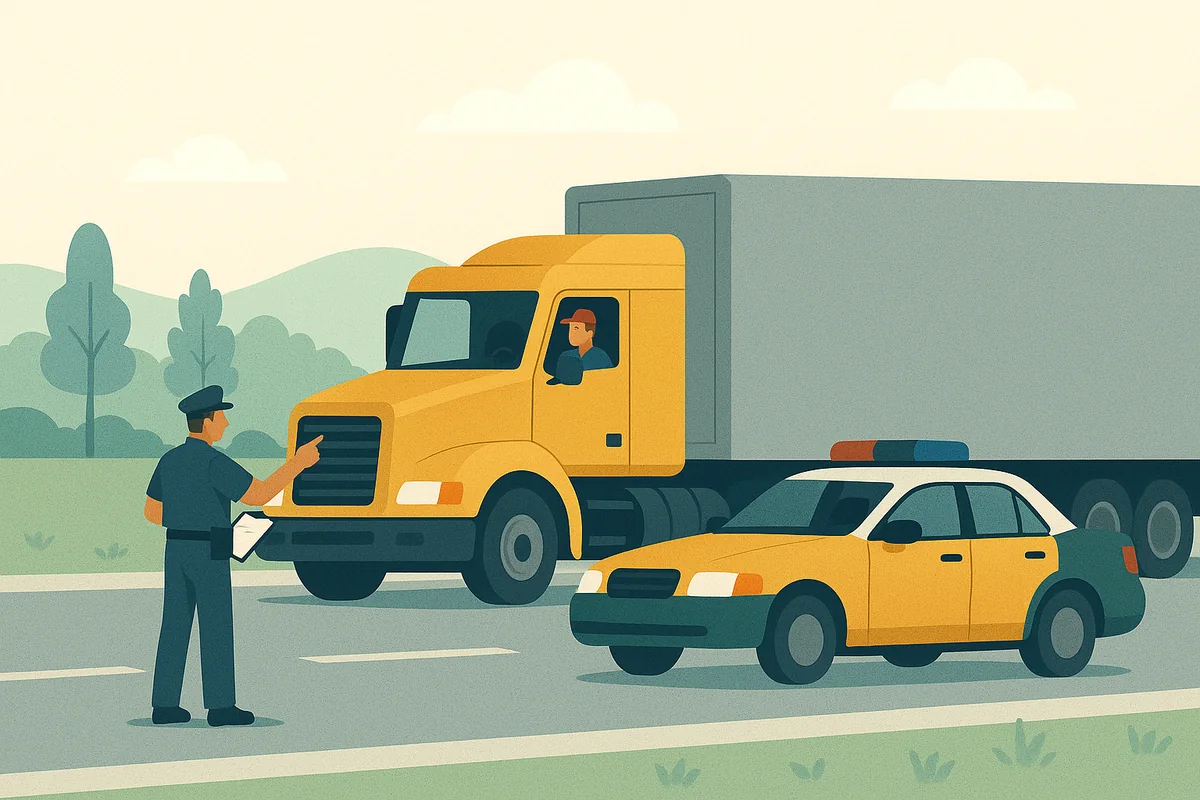
DOT inspections are just part of the job if you’re in trucking. Whether you’re hauling freight cross-country or running a local fleet, you’ve likely encountered a DOT inspector, or you will. And let’s face it: no one wants to get sidelined or hit with a fine because of a missing logbook or worn-out brake pad.
In this guide, we’ll walk you through what DOT inspections are all about, break down each of the six levels in plain language, and give you tips to make sure you’re always road-ready. We’ll also answer common questions drivers ask, so you can stay sharp and prepared.
-
1
Introduction
- 1.1 So, What Exactly Is a DOT Inspection?
- 1.2 The 6 DOT Inspection Levels (and What They Mean for You)
- 1.3 Level 1: Full Inspection (The Deep Dive)
- 1.4 Level 2: Walk-Around Inspection
- 1.5 Level 3: Driver-Only Inspection
- 1.6 Level 4: Special Inspection
- 1.7 Level 5: Vehicle-Only Inspection
- 1.8 Level 6: Hazmat NAS Inspection
- 1.9 Frequently Asked Questions (FAQs)
- 1.10 How much does a DOT inspection cost?
- 1.11 Can anyone perform a DOT inspection?
- 1.12 What’s checked during a DOT inspection?
- 1.13 Can I do my own annual DOT inspection?
- 1.14 What's the highest level of DOT inspection?
- 1.15 What's the difference between Level 1 and Level 2?
- 1.16 What is a good DOT safety rating?
- 1.17 What’s the most common DOT inspection?
- 1.18 What happens if you fail a DOT inspection?
- 1.19 Can you refuse a DOT inspection?
So, What Exactly Is a DOT Inspection?
It’s a safety and compliance check, simple as that. A certified DOT officer or inspector goes over your vehicle, paperwork, and sometimes even your driving behavior to make sure everything meets federal safety standards. The Federal Motor Carrier Safety Administration (FMCSA) is the agency behind these rules.
Think of it like a pop quiz for both you and your truck. Only this one can pull you off the road if you’re not ready.
The 6 DOT Inspection Levels (and What They Mean for You)
- Level I: Full Inspection - The works: both the driver and vehicle get checked from top to bottom
- Level II: Walk-Around - All visible parts of your truck are inspected, but the officer won’t crawl underneath
- Level III: Driver-Only - Just you, your credentials, and your logbooks
- Level IV: Special Inspection - Focused on a specific issue, often for research or enforcement
- Level V: Vehicle-Only - Your truck gets inspected, but you don’t need to be there
- Level VI: Hazmat Inspection - For those hauling certain radioactive materials, with additional steps and paperwork
Level 1: Full Inspection (The Deep Dive)
- What It Covers: Everything from your driver’s license and HOS logs to your brakes, suspension, lights, and tires
- How Long It Takes: Around 45 to 60 minutes
- How to Prepare: Do regular maintenance, inspect before each trip, and double-check your paperwork
- Cost: Usually free unless done by a private shop
Level 2: Walk-Around Inspection
- What It Covers: Same items as Level I, minus the undercarriage, so think lights, tires, visible frame parts, documents
- How Long It Takes: 30 to 45 minutes
- How to Prepare: Keep your truck clean and in good shape, and your documents ready
- Cost: No charge if done on the roadside
Level 3: Driver-Only Inspection
- What It Covers: Paperwork only, license, medical card, daily logs, inspection reports
- How Long It Takes: 15 to 30 minutes
- How to Prepare: Stay organized and keep your documents current
Cost: Free
Level 4: Special Inspection
- What It Covers: A single component or regulation, like your brakes or emissions system
- How Long It Takes: Depends on what they’re checking
How to Prepare: Be honest, follow instructions, and know your truck’s condition
Level 5: Vehicle-Only Inspection
- What It Covers: All vehicle components, even without the driver present, common during audits
- How Long It Takes: 30 to 60 minutes
- How to Prepare: Keep your truck in top shape, even if it’s parked at the terminal
Level 6: Hazmat NAS Inspection
- What It Covers: Everything from Level I, plus additional checks for certain hazardous materials
- How Long It Takes: 60 to 90 minutes
How to Prepare: Follow every hazmat protocol, carry the right documentation, and ensure you’re certified
Frequently Asked Questions (FAQs)
How much does a DOT inspection cost?
Roadside inspections are usually free. Private inspections might cost between $100 and $300.
Can anyone perform a DOT inspection?
Only certified inspectors or qualified mechanics approved by the FMCSA can do official DOT inspections.
What’s checked during a DOT inspection?
Driver documents, brakes, tires, lights, suspension, exhaust, HOS logs, basically anything that affects road safety.
Can I do my own annual DOT inspection?
Yes, but only if you're qualified and meet FMCSA requirements.
What's the highest level of DOT inspection?
Level I is the most detailed. Level VI is the most specialized.
What's the difference between Level 1 and Level 2?
Level 1 includes everything, even what’s under the truck. Level 2 skips the undercarriage.
What is a good DOT safety rating?
“Satisfactory” is what you’re aiming for. It means you’re meeting safety standards.
What’s the most common DOT inspection?
Level I is the most frequently performed during roadside stops.
What happens if you fail a DOT inspection?
You might be fined or put out of service until the issue is fixed.
Can you refuse a DOT inspection?
Nope. Refusing one can result in fines, penalties, or being pulled off the road.
DOT inspections can feel like a hassle, but they don’t have to be. Stay ahead with regular maintenance, double-check your paperwork, and coach your drivers on what to expect. That way, when you see flashing lights in your mirror, you won’t panic.
Need help staying compliant? Wireless Links offers GPS tracking, ELD solutions, real-time diagnostics, and automated reports to keep your trucks, and your drivers, ready for anything.
Get a Live Demo
Fill out the form below and a member of our team will get back to you
Article Author

Related Resources
- Best AirTag Alternatives (2026): Top Trackers for iPhone, Android, Wallets, and Business Assets January 19, 2026
- Commercial Fleet Insurance: Everything You Need to Know December 08, 2025
- CARB Compliance: What It Means and How to Stay Compliant December 04, 2025