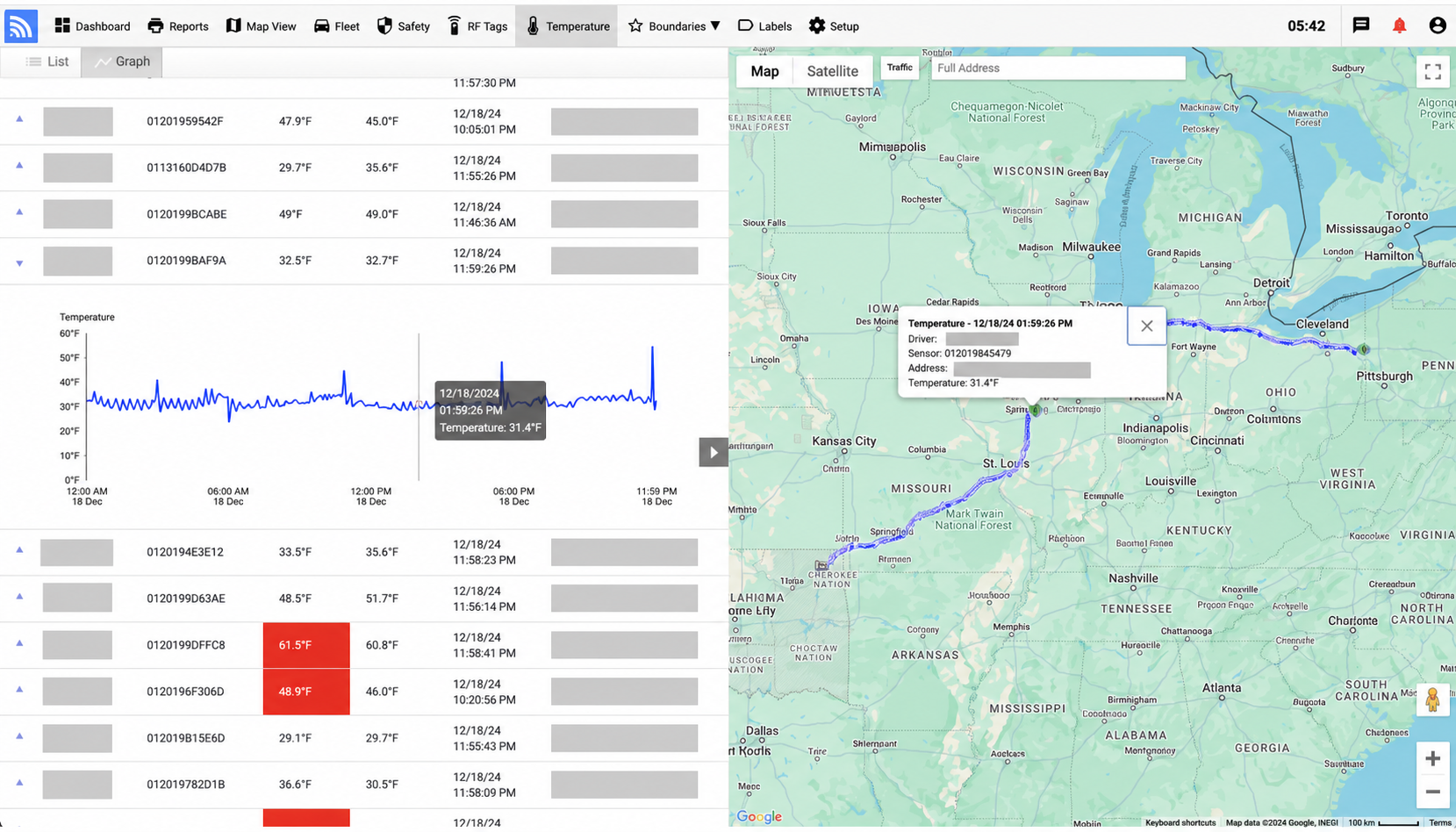
See Temperature and Location Together
Review current readings alongside vehicle, trailer, or shipment location so teams can understand where an excursion occurred and which asset requires attention.
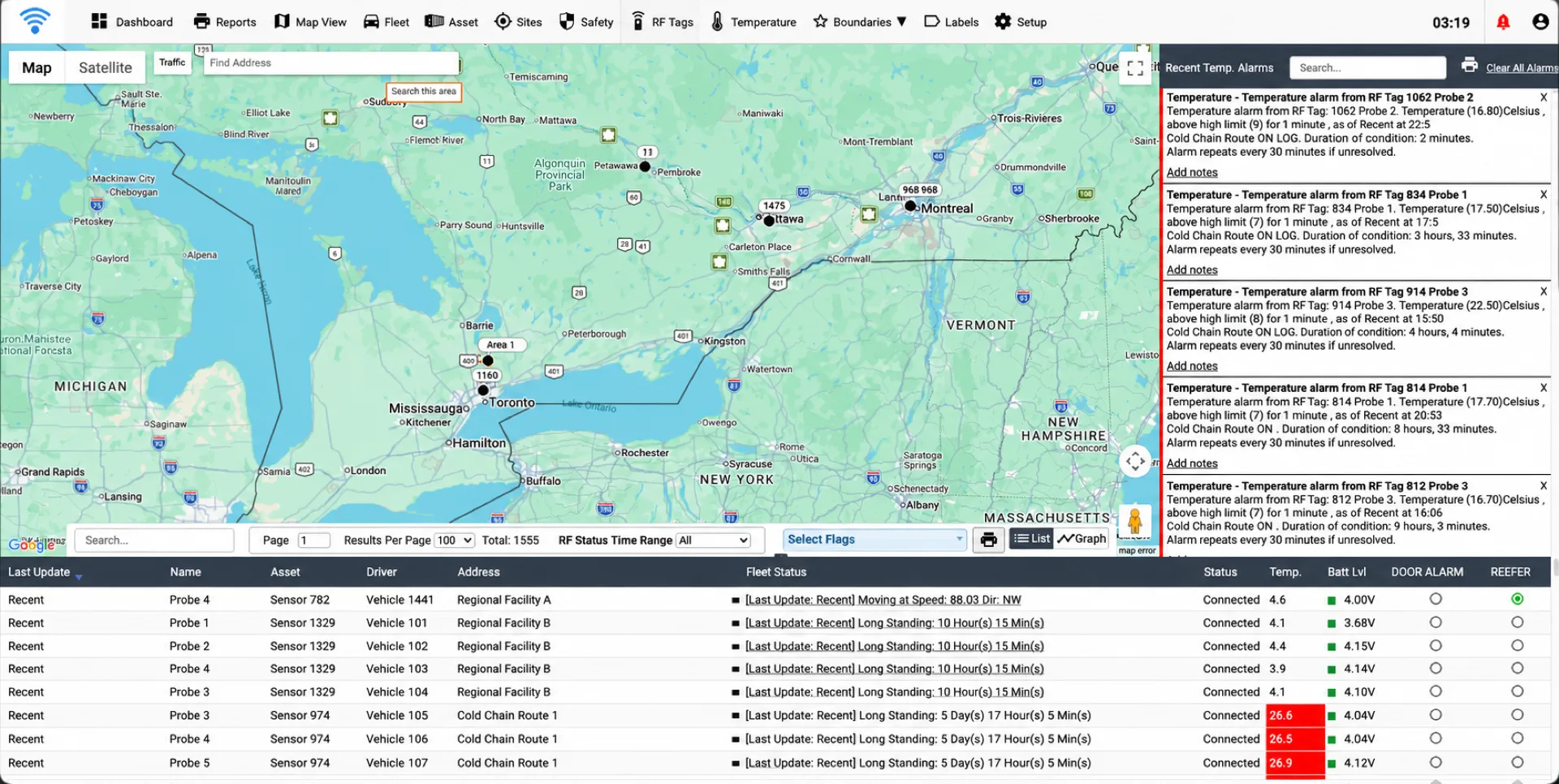


Monitor temperature, location, and supported door activity across refrigerated vehicles, trailers, shipments, and cold rooms. Receive configured threshold alerts and maintain historical records in Fleet.Net.
CONNECTED COLD CHAINTemperature and location visibility from origin to delivery
Connect temperature readings with asset location and time so operations teams can review current conditions and shipment history in Fleet.Net.
Choose the right architecture for each operation: wired or wireless sensors with a compatible Piccolo device, DriverLink mobile monitoring, or standalone Piccolo TMX temperature and GPS tracking.
Configure high and low temperature limits so the appropriate team can investigate excursions and maintain records for quality, customer, and compliance workflows.
Capture and record real-time temperature, supported humidity, and location data across the supply chain. Instant alerts notify the appropriate team when readings move beyond configured thresholds so emerging issues can be investigated immediately.
Actionable Reporting & ROI Insights:
Review current temperature readings, asset locations, and sensor status in one dashboard.
Automate temperature records, monitor supported reefer data, and respond faster when cargo conditions move outside configured limits.
Notify the appropriate team when temperatures leave configured limits or a supported door event occurs.
Support vehicles, trailers, individual shipments, mobile workflows, and cold rooms with the appropriate hardware.
Monitor temperature-sensitive cargo, identify excursions earlier, and maintain historical records that support quality, customer, and regulatory workflows.
Review current readings alongside vehicle, trailer, or shipment location so teams can understand where an excursion occurred and which asset requires attention.
Review historical temperature readings, locations, supported door events, and exceptions across refrigerated vehicles, trailers, shipments, and fixed locations.
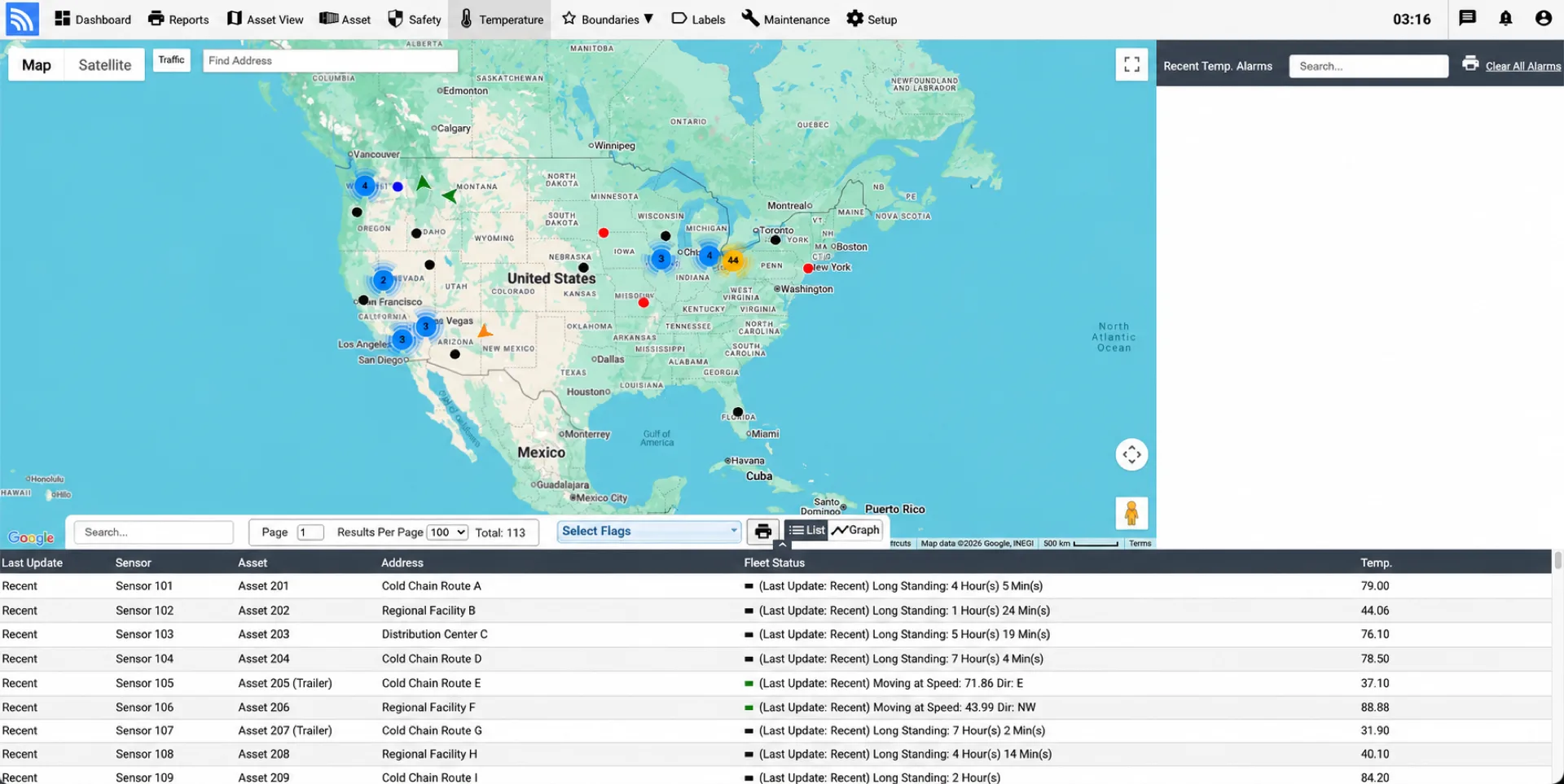
Send configured alerts to designated team members when readings move outside defined high or low limits, providing the information needed to investigate and respond.
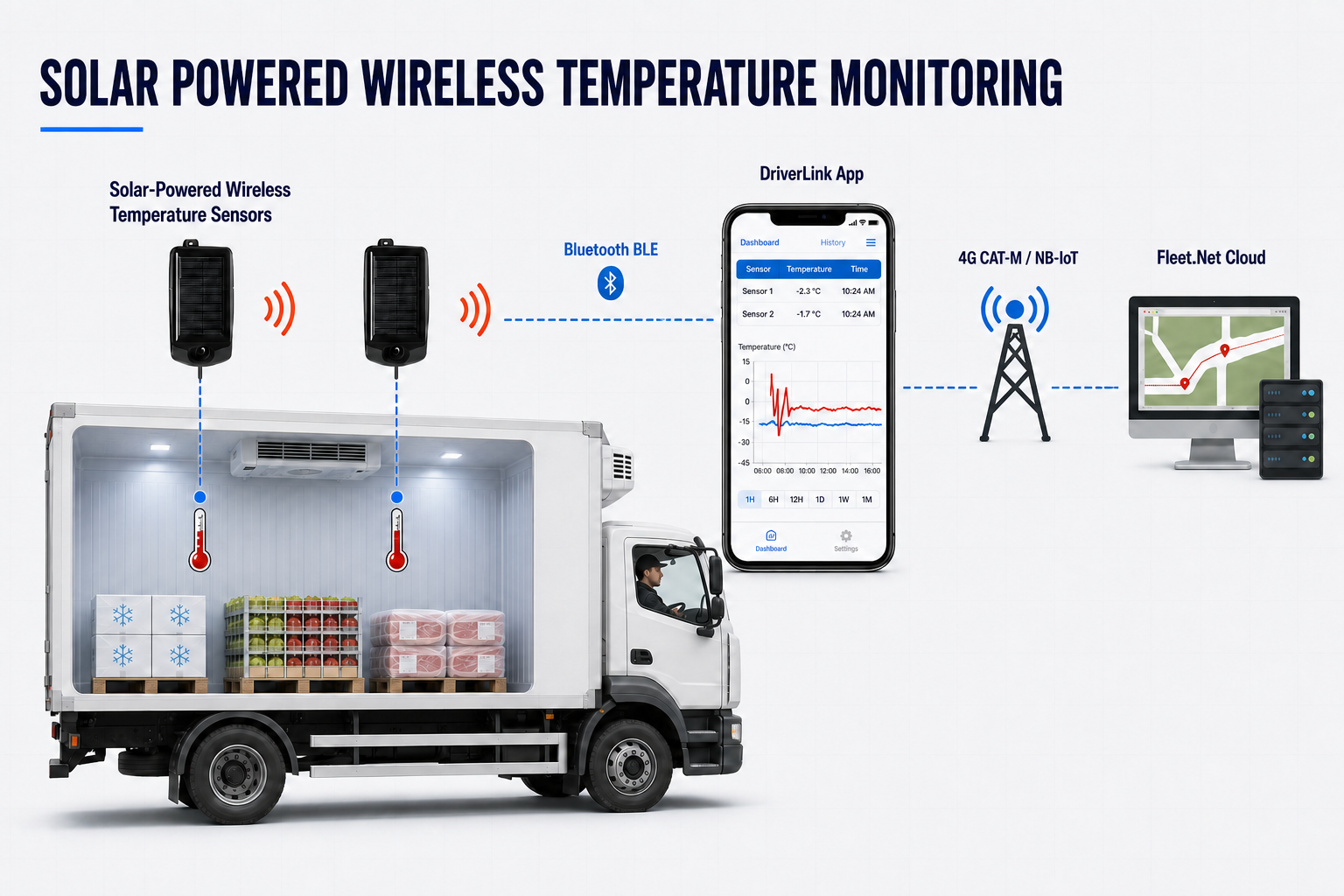
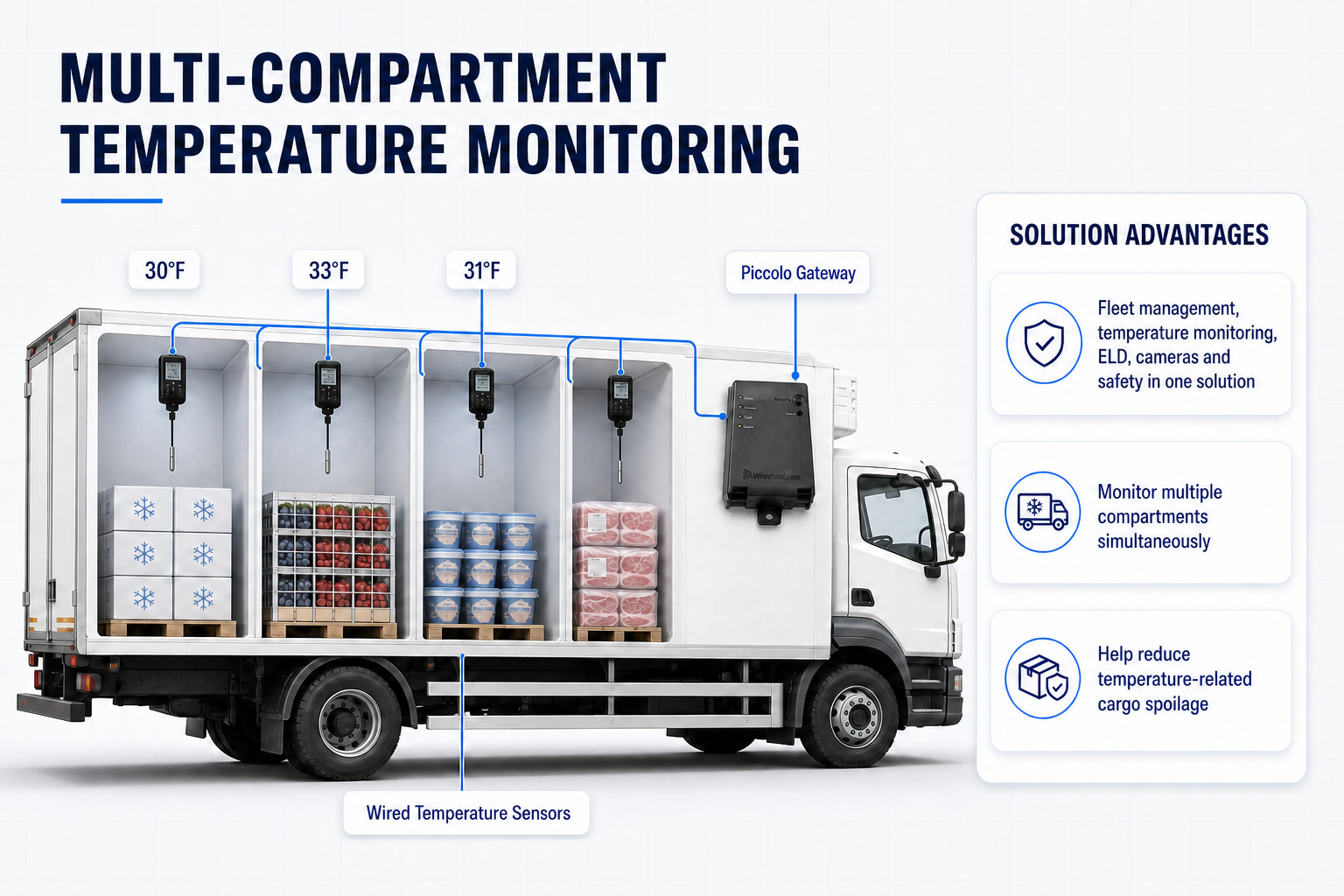
Place supported wired or wireless temperature sensors in separate compartments or areas, then review each zone independently in Fleet.Net.
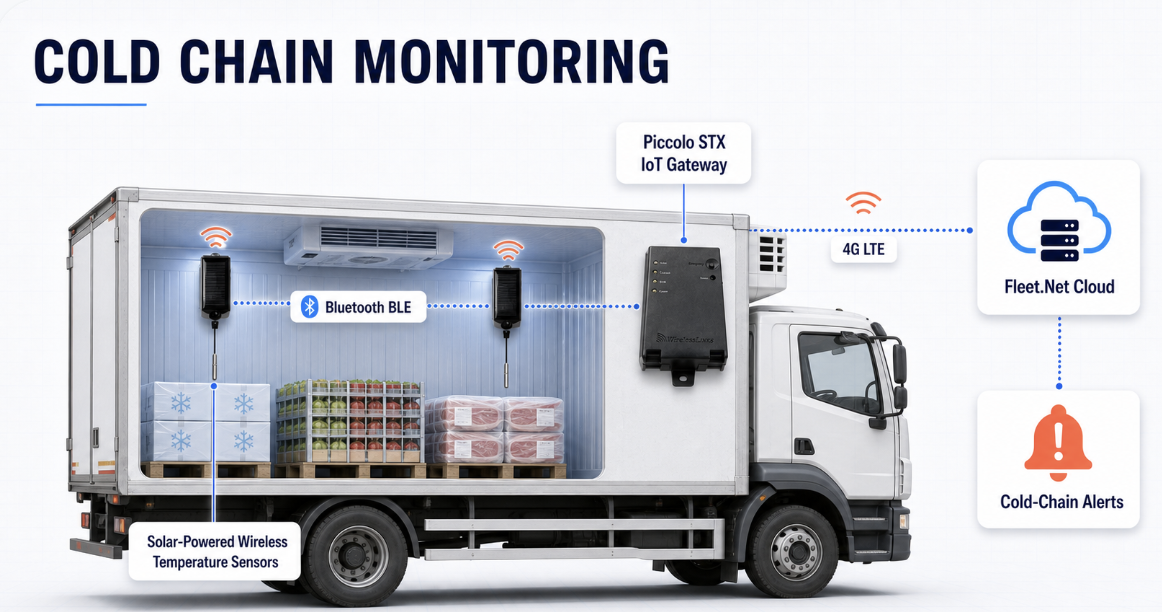
We offer temperature monitoring for smaller cold chain products, such as organs and pharmaceutical medicines. These products are at a higher risk of temperature excursions and damage. Monitoring them at the package level with our IoT wireless temperature sensors reduces damage and ensures your products arrive in optimal condition.
Use wireless temperature sensors with a compatible Piccolo connection to monitor separate cooler or freezer areas, retain temperature history, and receive configured threshold alerts.
Keep temperature-sensitive food, pharmaceuticals, vaccines, organs, and other products visible across reefers, refrigerated trailers, cold rooms, and individual shipments.
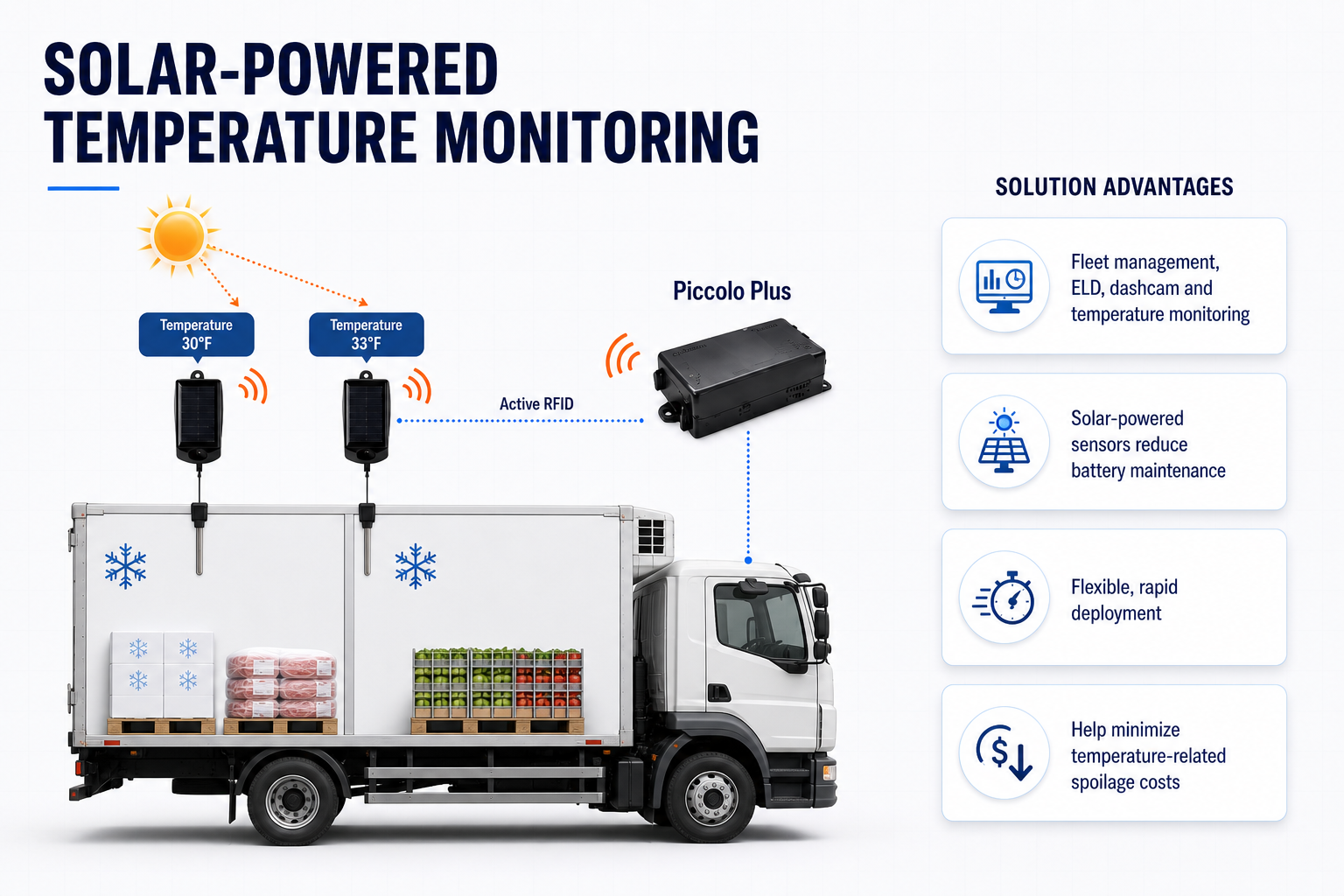
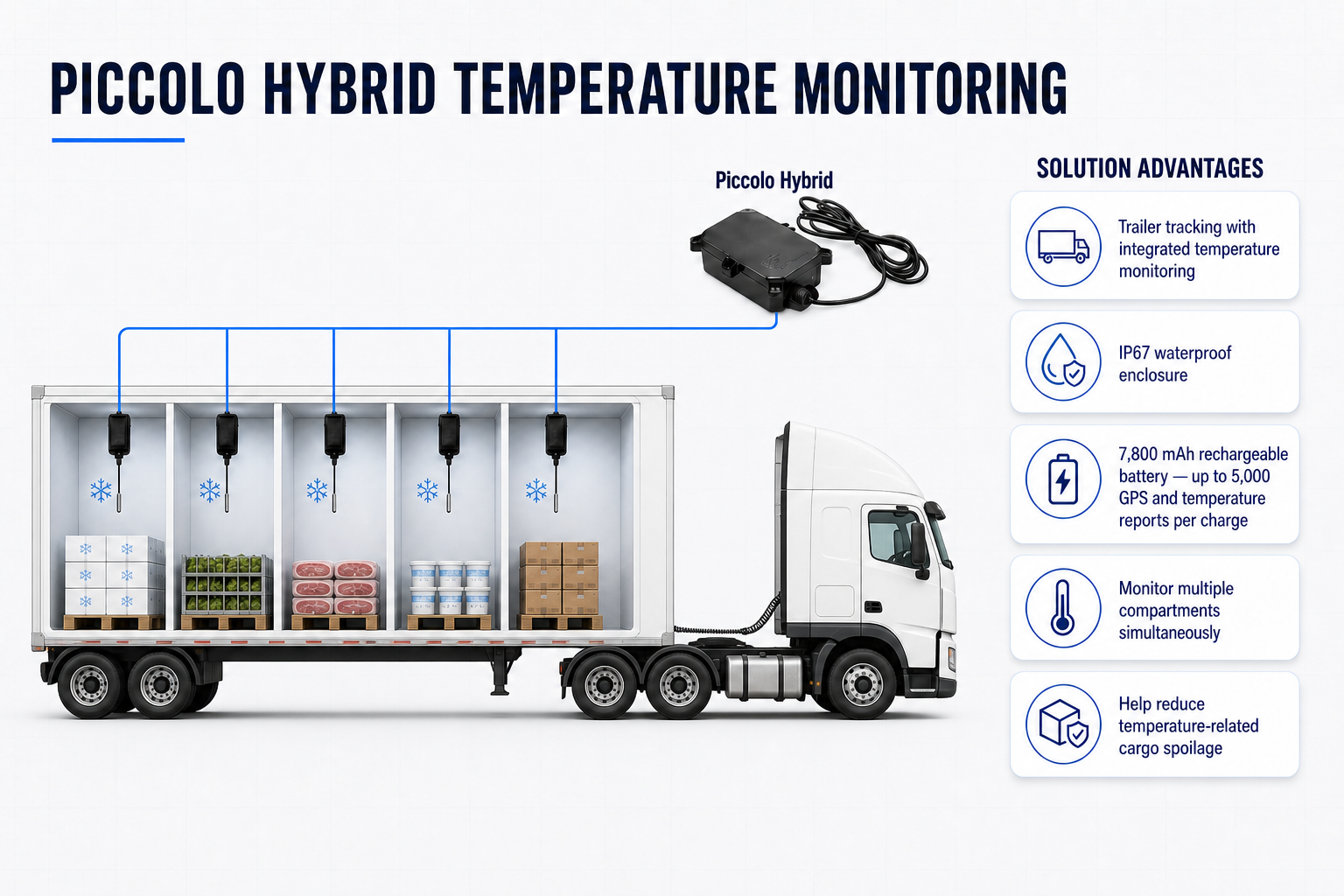
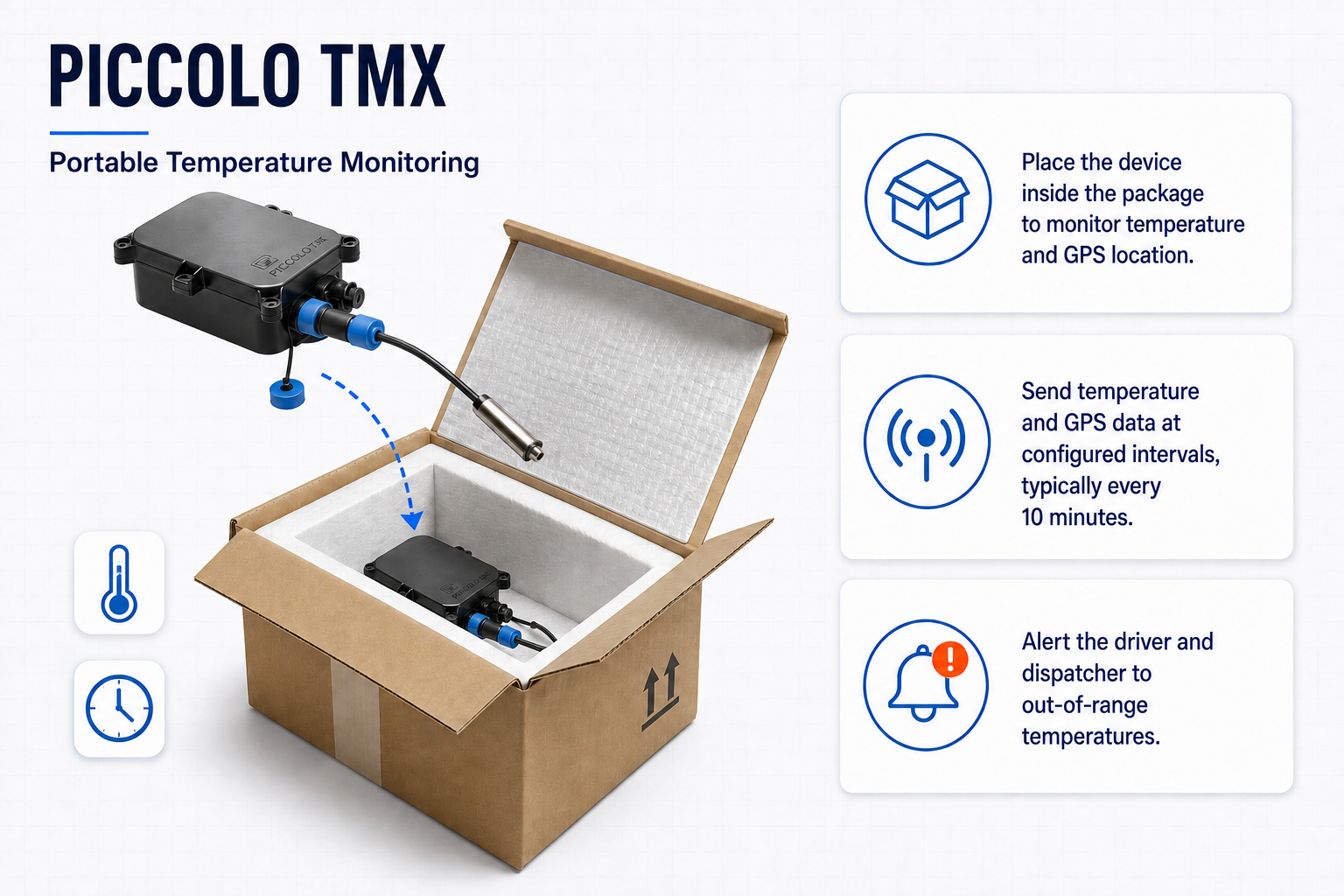
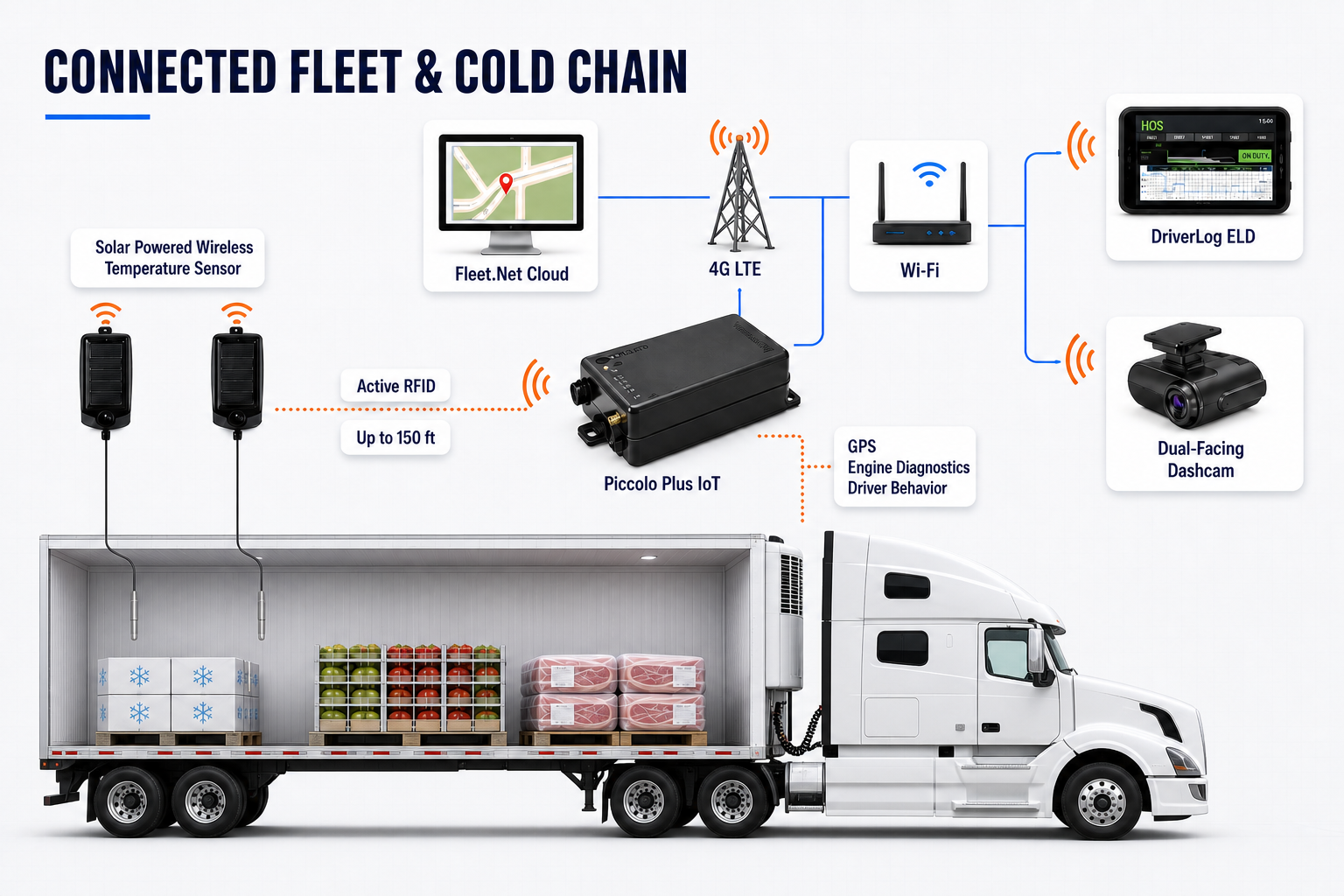
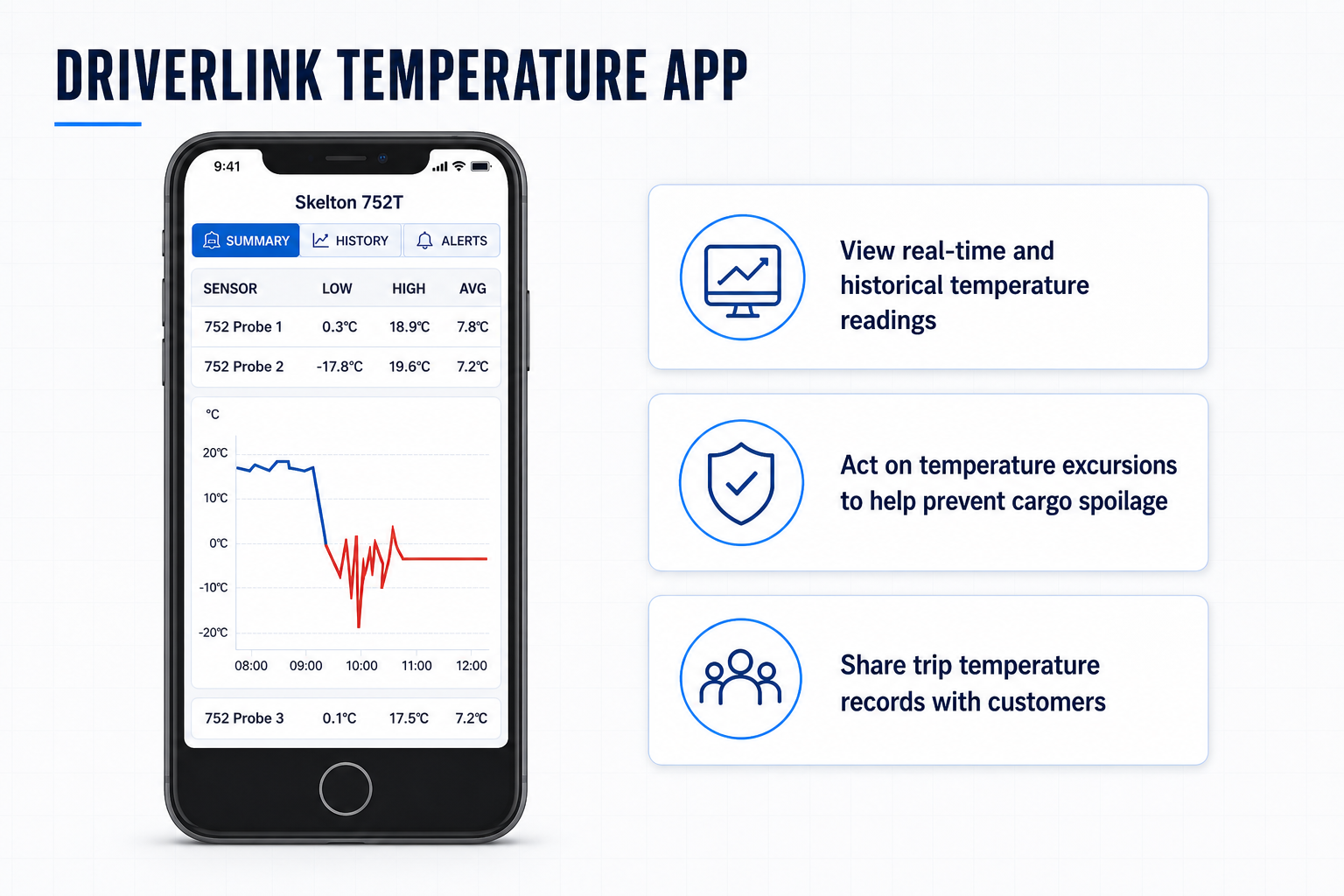
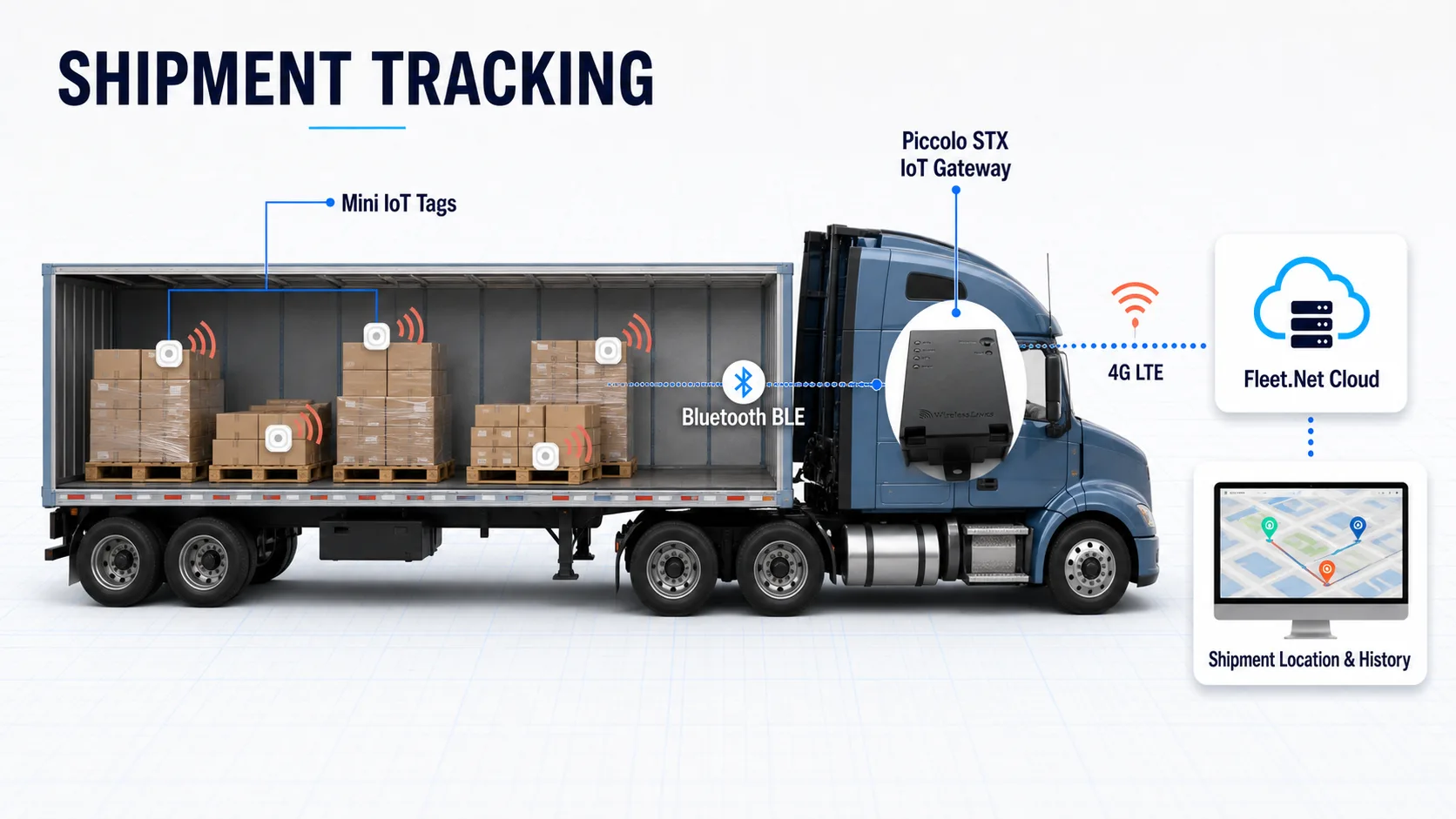
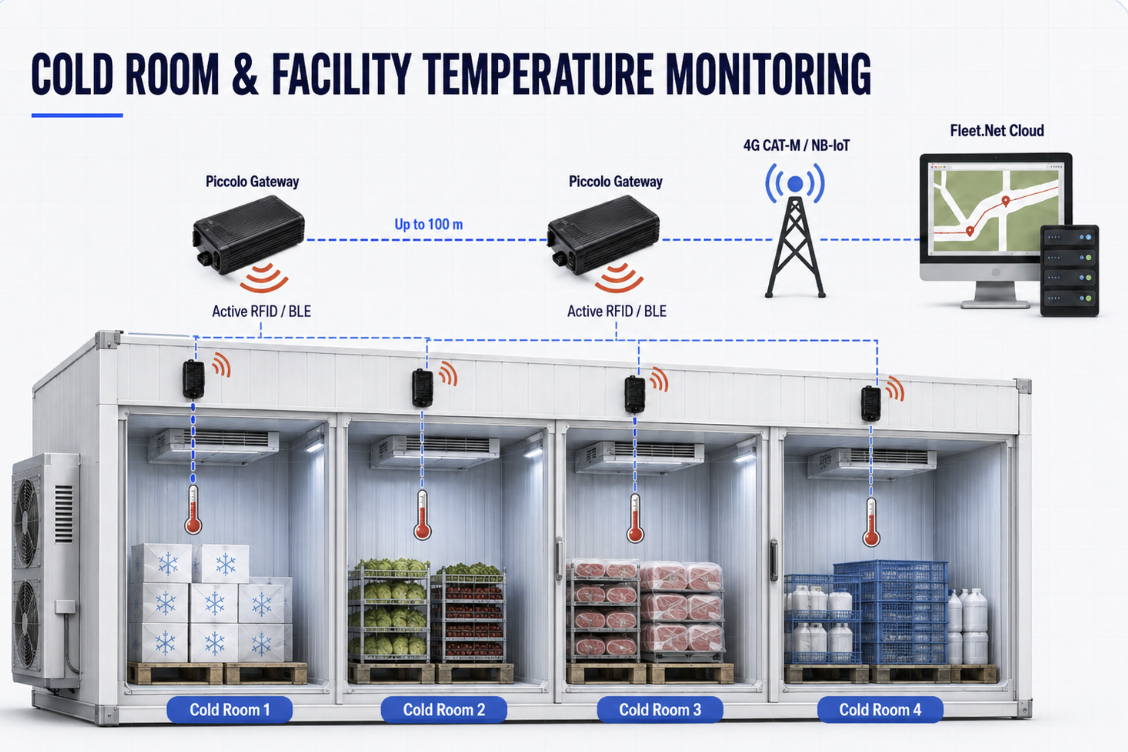
Combine the right tracker, logger, gateway, and sensor architecture for powered reefers, intermittent-power trailers, cold rooms, or individual temperature-sensitive shipments.
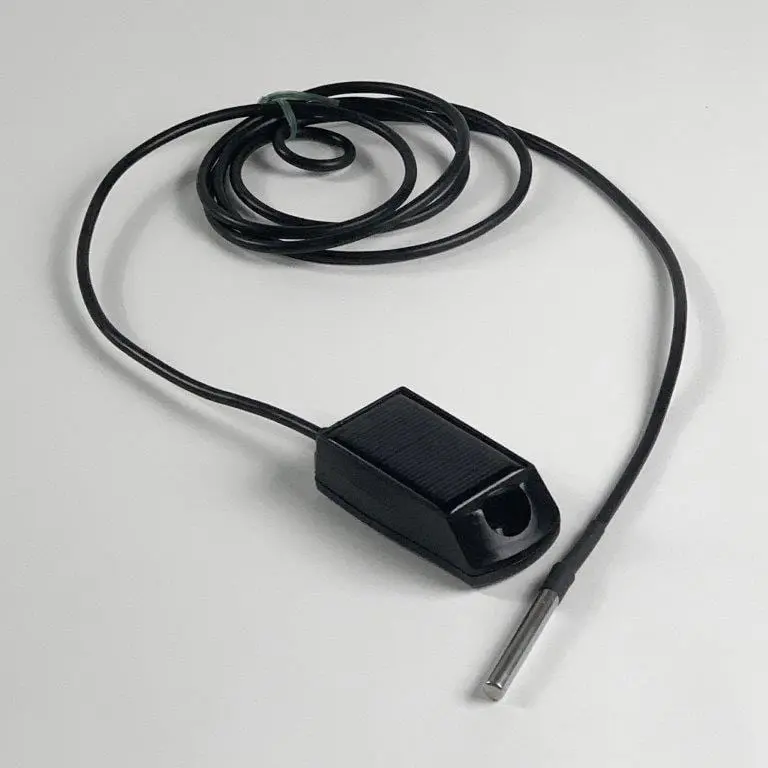
Use supported wireless temperature sensors with a compatible Piccolo device or the DriverLink app.
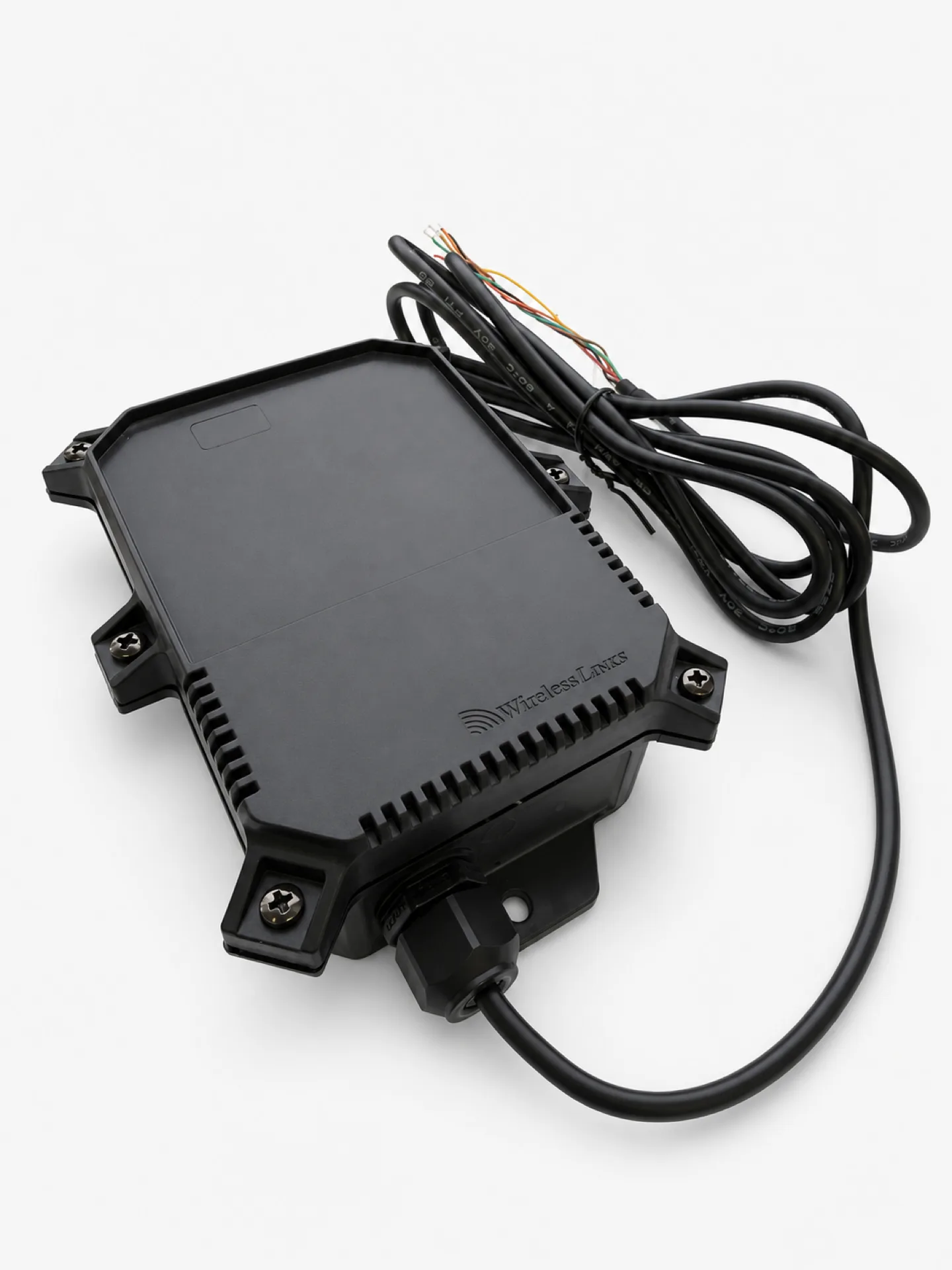
Trailer or fixed-installation monitoring with wired or supported wireless temperature sensors.
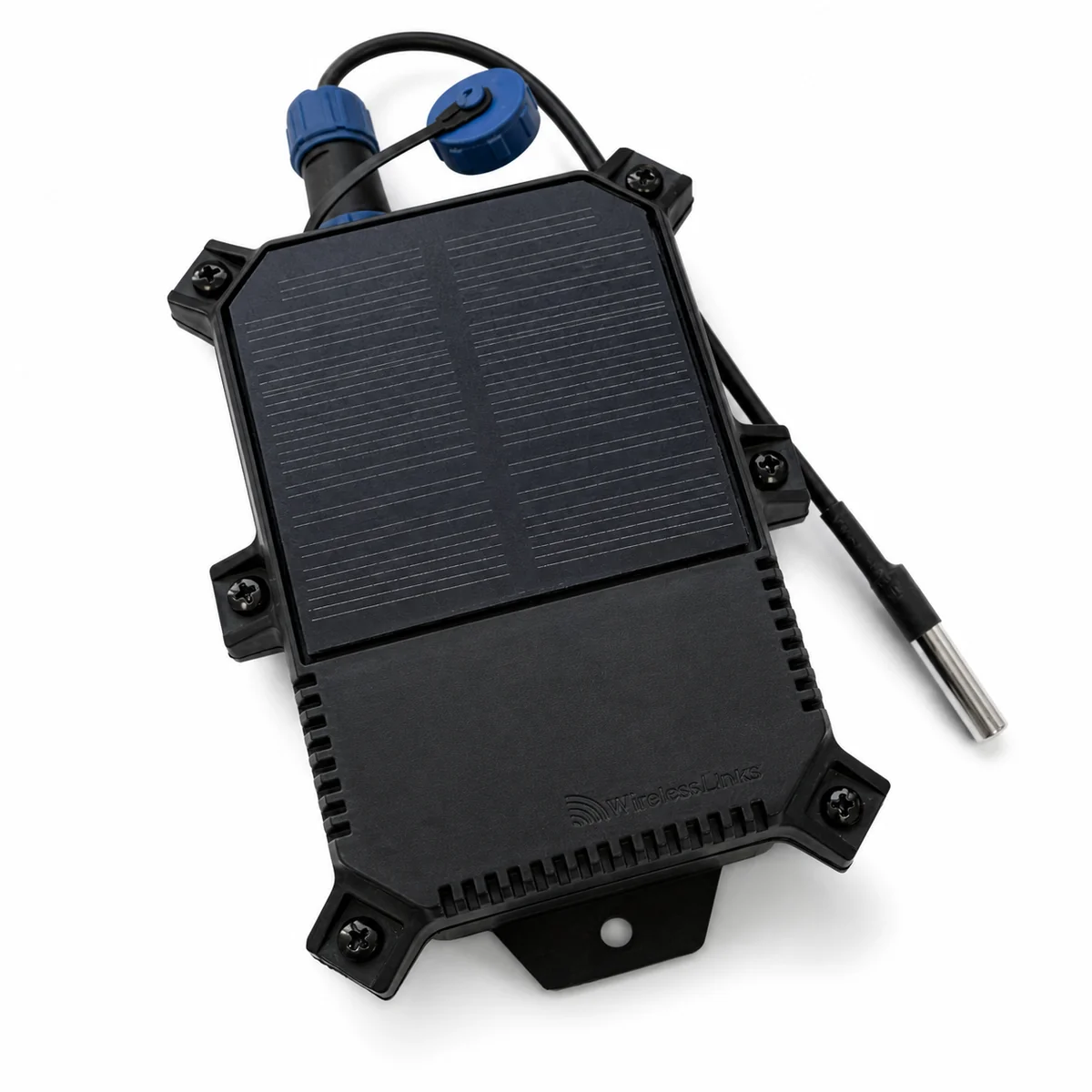
Portable temperature and GPS monitoring with onboard logging and support for multiple wired sensors.
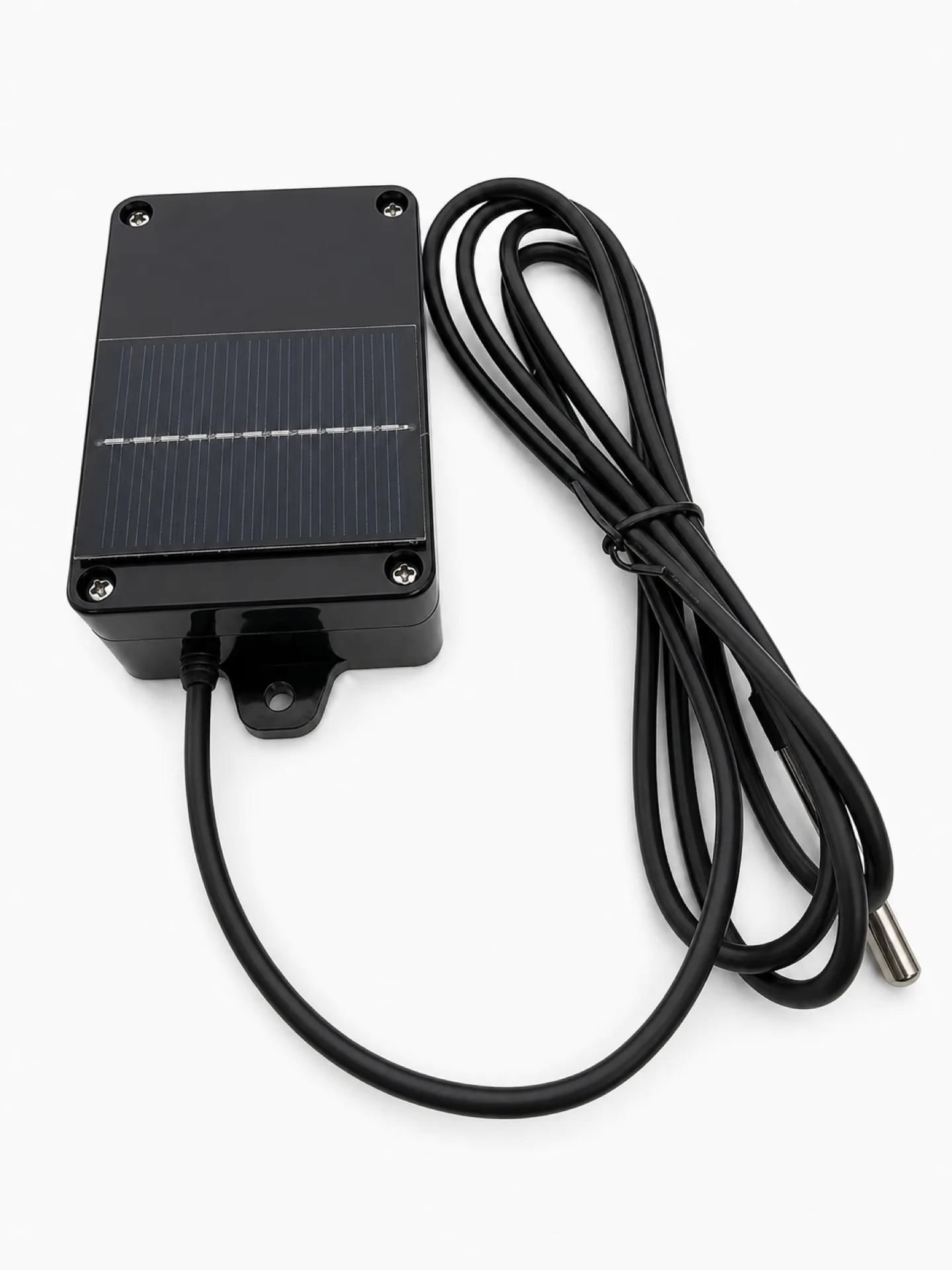
Long-range wireless temperature monitoring for cold rooms, facilities, and compatible gateway deployments.
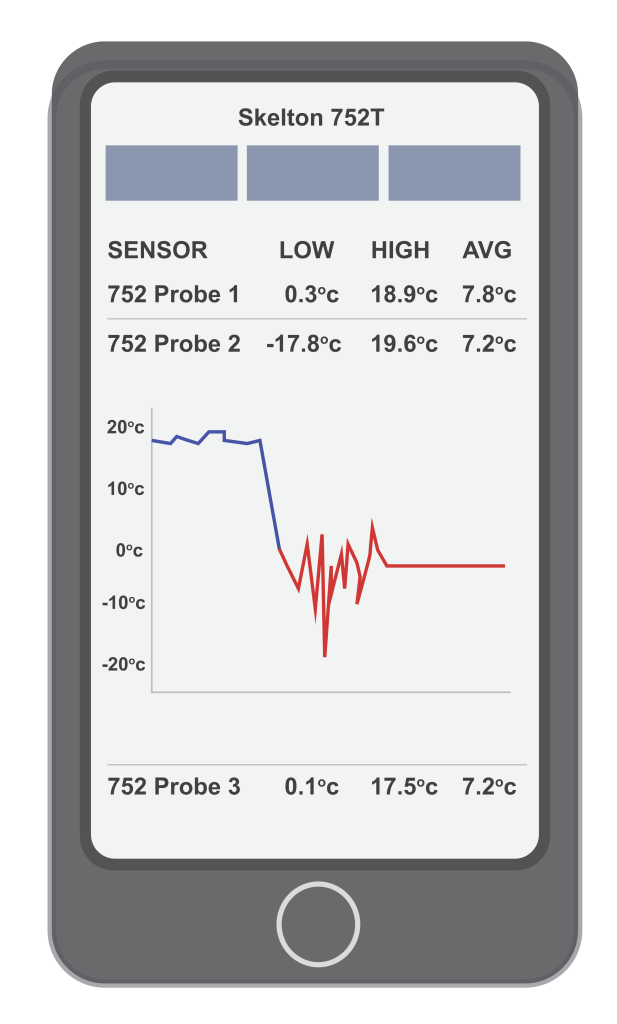
Use the DriverLink app with compatible BLE temperature sensors for mobile monitoring without a dedicated in-cab gateway.
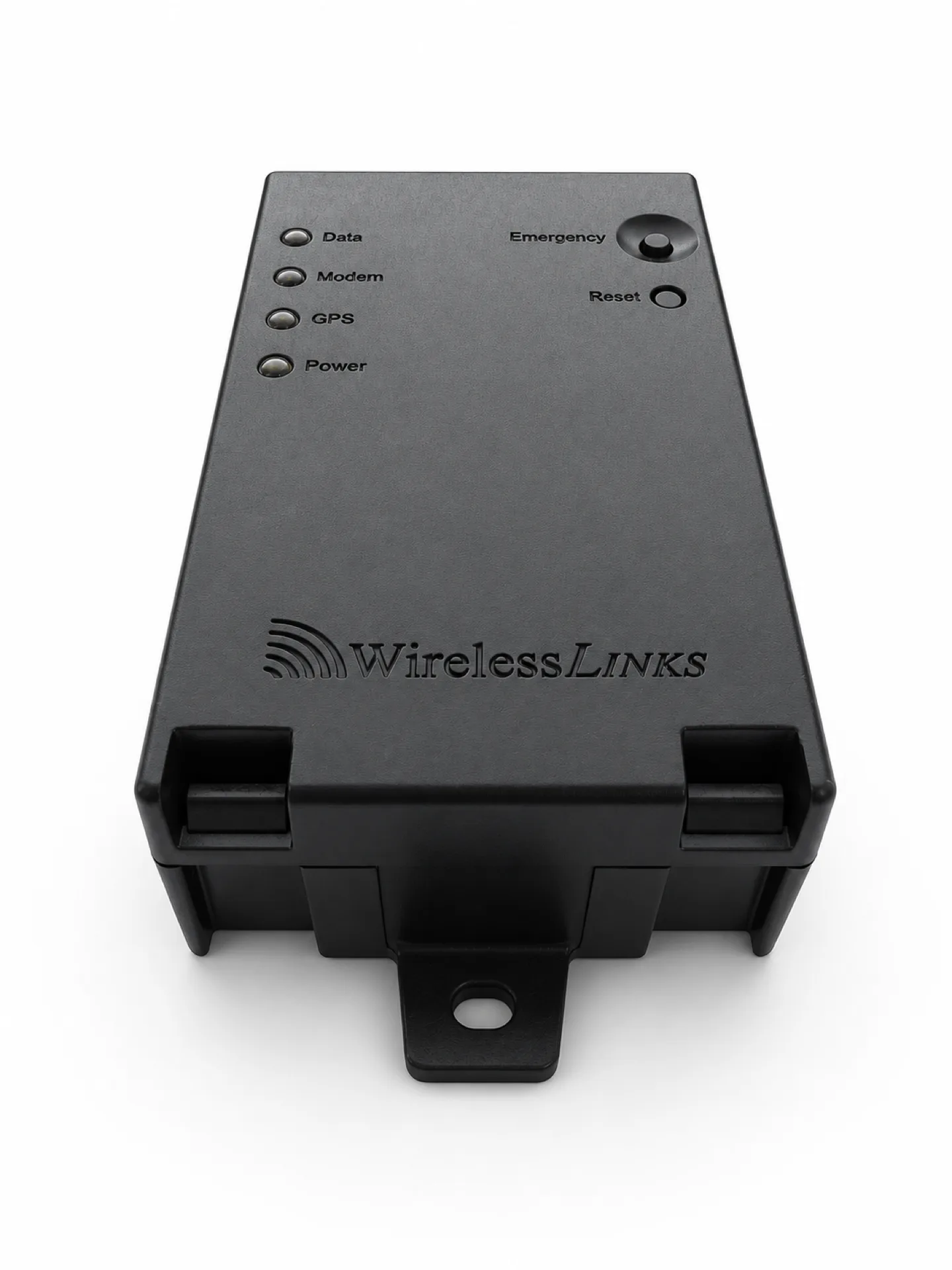
Use a compatible Piccolo device with supported wired or wireless temperature sensors for powered vehicles and reefers.
Configured alerts can include the address, time, vehicle or compartment, and temperature-deviation data. Drivers can comment on an alert so dispatchers can see how it was generated and handled, making abnormalities easier to investigate and resolve.
Monitor smaller cold chain products such as organs and pharmaceutical medicines at the package level. Wireless temperature records help reduce damage and verify that products arrived under the intended conditions.
Extend visibility to customers through live ETAs and temperature reports. Pair proof of delivery with temperature history to reduce rejected shipments, streamline deliveries, and strengthen confidence.
Wireless or wired temperature sensors connect through a compatible Piccolo device or DriverLink, while Piccolo TMX provides standalone temperature and GPS monitoring for individual shipments.
Use wired or wireless sensors for vehicles and cold rooms, or Piccolo TMX when a shipment needs a standalone temperature and GPS record.
Sensors record readings at the configured interval. Wireless sensors retain readings onboard when Piccolo or DriverLink is temporarily unavailable.
Current and stored readings are uploaded to Fleet.Net through the connected Piccolo device or DriverLink app. Piccolo TMX uploads its own temperature and location records.
Fleet.Net centralizes location, temperature history, door events, thresholds, alerts, and reports for authorized teams.
Configure temperature monitoring for refrigerated transportation, individual shipments, and fixed cold-storage environments.
Find answers to common operational, installation, and deployment questions.
Cold chain monitoring is the process of tracking the temperature and location of goods throughout the chain of custody—from warehouse to delivery—to help ensure the goods remain within their required temperature range and preserve product integrity and quality.
Cold chain equipment includes GPS trackers integrated with temperature, humidity, and other IoT sensors, along with gateways, data loggers, refrigeration equipment, cloud software, and mobile applications used to track cold chain conditions.
A temperature monitoring device uses a sensor to read, log, and report temperature at a configured interval. Connected devices typically send those records to a remote server where authorized users can review current conditions and history.
Cold chain monitoring protects product quality, consumer safety, compliance, cost control, and brand reputation across global distribution.
Cold chain programs may combine several tools and technologies:
The cold chain rule is the collection of guidelines and operating protocols used to transport and store temperature-sensitive products such as perishable food, pharmaceuticals, and vaccines. It emphasizes maintaining a controlled temperature throughout the supply chain to preserve quality, safety, and efficacy.
Key elements include the correct temperature range for each product, continuous monitoring, documented records, trained personnel, suitable refrigeration and insulated packaging, and emergency procedures for temperature excursions. Following these controls helps preserve products from production through final delivery.
Wireless temperature sensors connect over Bluetooth Low Energy (BLE) to a compatible Piccolo device or the DriverLink app. If neither is in range, the sensor stores readings onboard and transfers them after it reconnects for upload to Fleet.Net.
Fleet.Net can maintain temperature, location, door, and alert records that support quality and compliance workflows. The exact configuration and suitability depend on your regulations, validation requirements, operating procedures, and selected hardware.
Sensor capacity depends on the selected Piccolo model, sensor type, placement, and monitoring requirements. We confirm the supported configuration for each vehicle, trailer, or facility during system design.
Yes. Supported sensors or compartments can use configured high and low temperature limits so the appropriate team is notified when a reading moves outside the defined range.