Inventory Control
Real time visibility on which container and chassis is at a specific port, when it got there, and for how long stayed there .

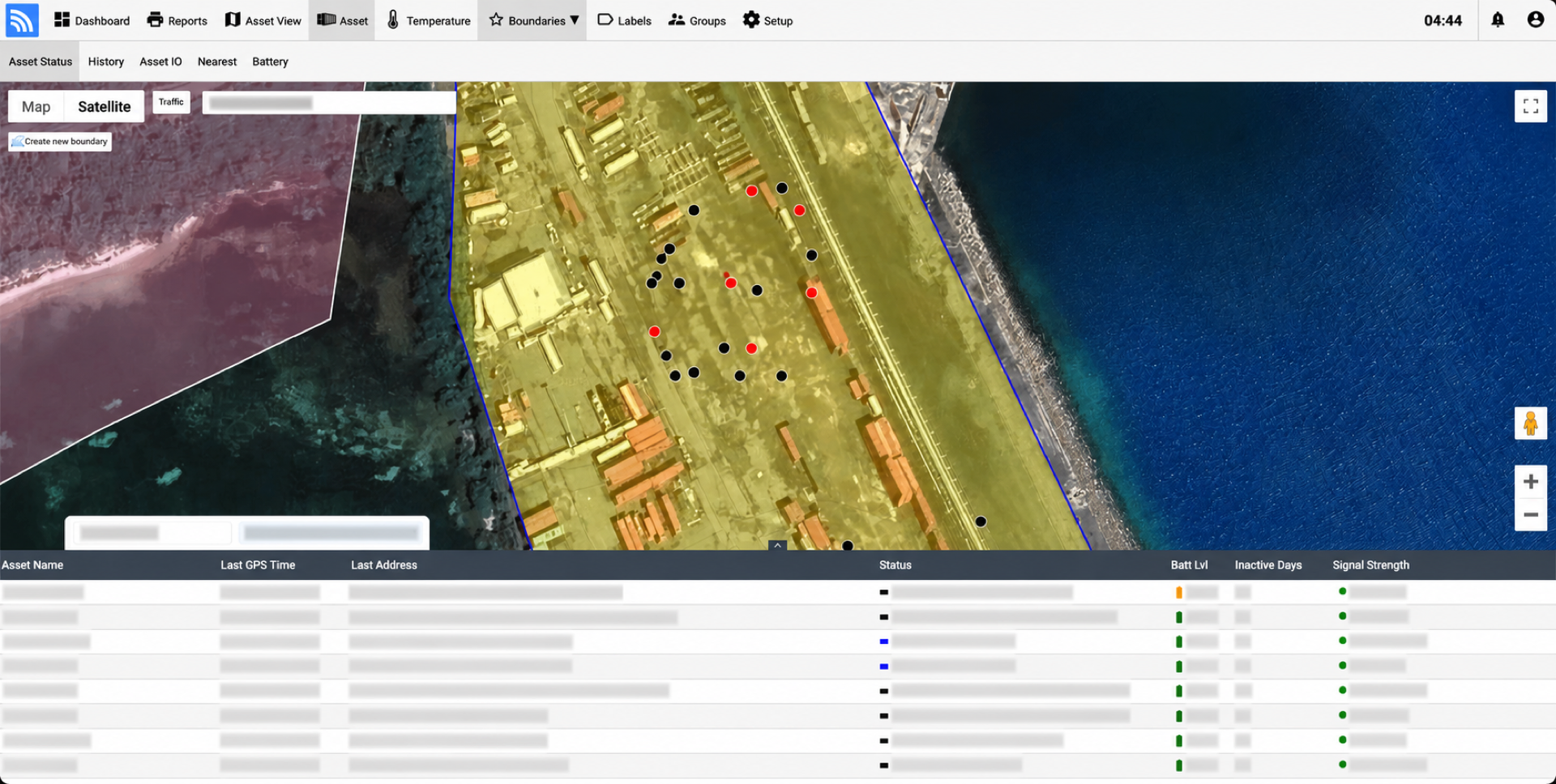
Maintain visibility across yards, ports, terminals, and transit with long-life battery and solar tracking options. Monitor location, movement, dwell time, inventory, and unauthorized activity from Fleet.Net.
Designed for container operations
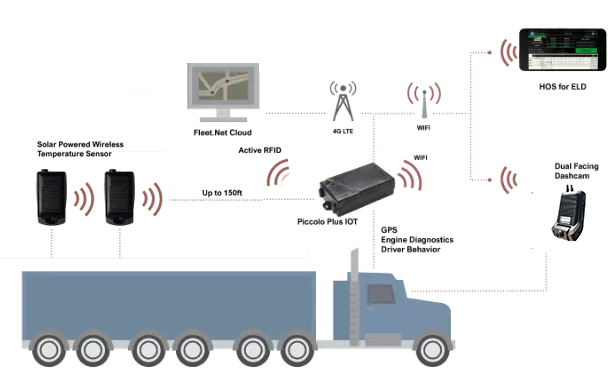
Wireless Links ocean shipping container and freight GPS tracking system combines the power of the Fleet.Net cloud platform with our Piccolo family of industry leading battery powered asset trackers and solar powered asset trackers, providing real time shipping visibility and inventory control over which container and chassis are at any specific port, when it got there, and for how long.
For containers managed alongside other assets, compare our GPS and IoT tracking solutions and explore Fleet.Net asset tracking software.
Real time visibility on which container and chassis is at a specific port, when it got there, and for how long stayed there .
Advanced API’s for exporting the data to 3rd party systems
360* Reports give you the full picture of your supply chain. Key reports include route report, Geofence report, Inventory report, Asset Activity report and Battery level reports.
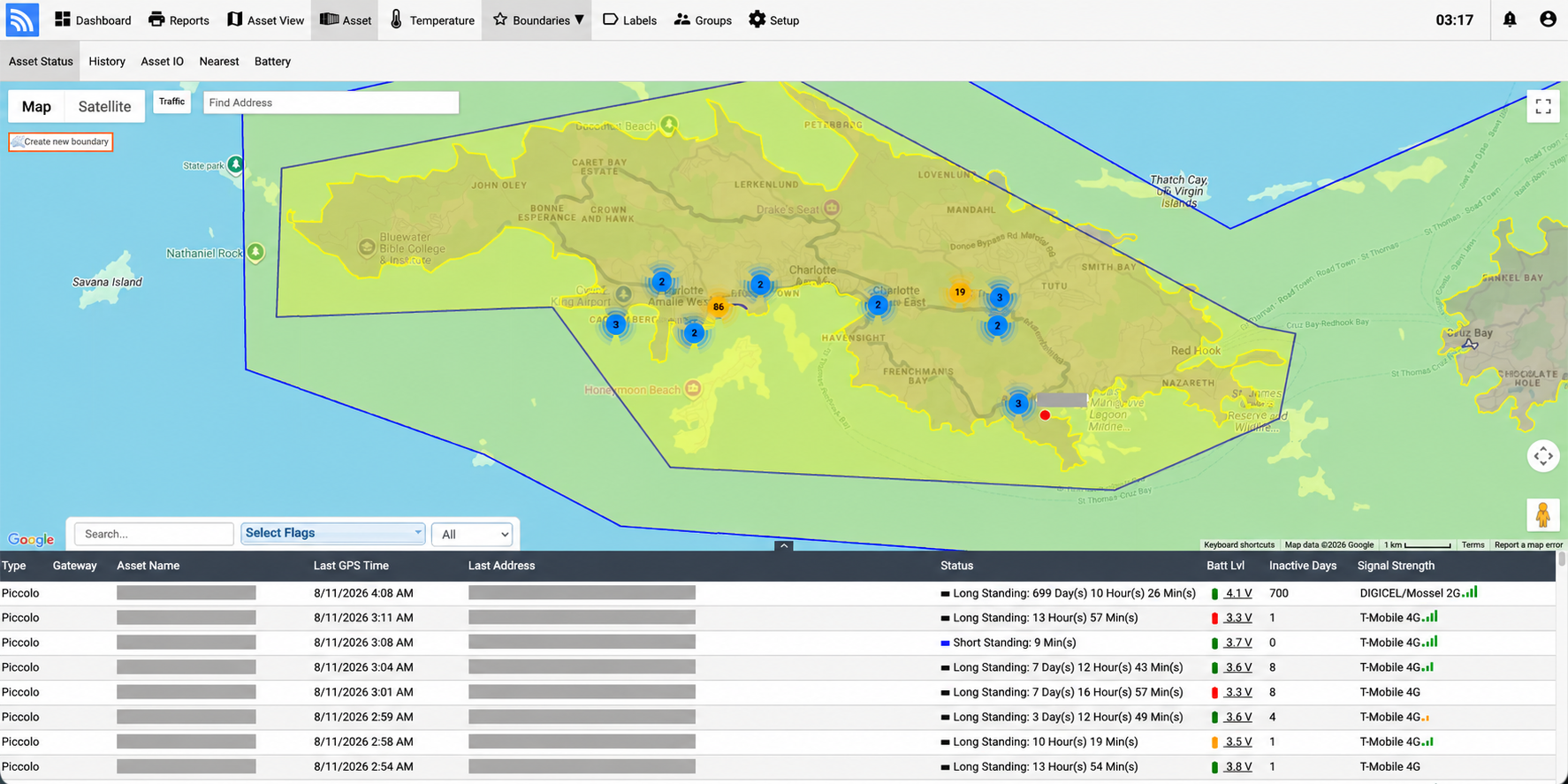
GPS trackers provide real-time visibility of your containers via 4G LTE, eliminating manual inventory checks and syncing with management software for a centralized map view. This automation reduces administrative workload and saves time across operations.
GPS tracking enables shippers to deliver precise container location updates, improving ETA accuracy and customer satisfaction—while also positioning your business as a tech-savvy, competitive leader in the industry.
Customizable geofences let you monitor container locations with precision, while instant email or SMS alerts notify you of any unauthorized movement—enhancing security and helping prevent theft or misuse even when assets are off-site.
Choose solar BLE, compact solar cellular GPS, or high-capacity autonomous hardware according to container power, route, dwell time, and pairing requirements.
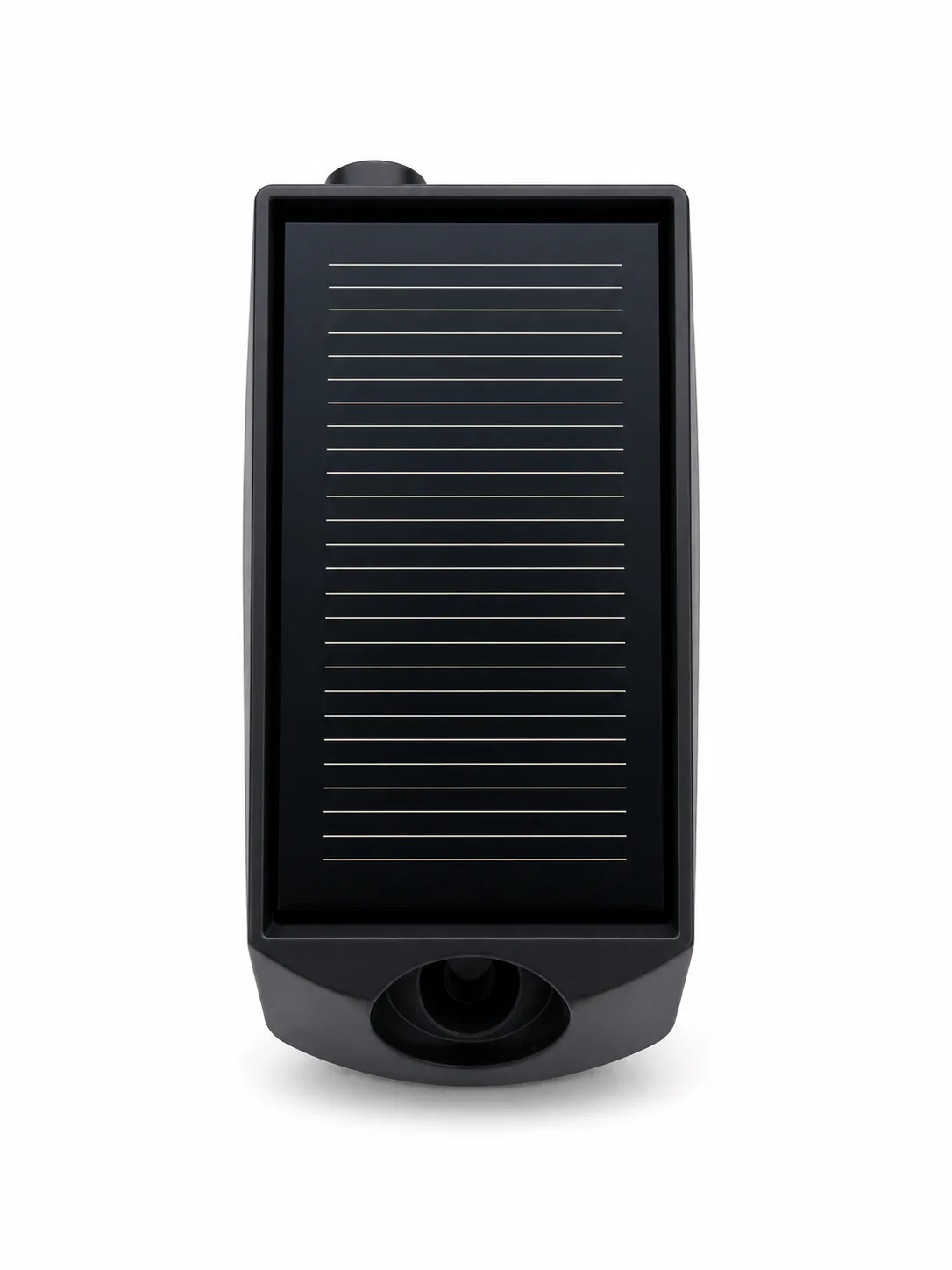 Solar BLE proximity
Low-power proximity visibility and container-to-chassis pairing through compatible Piccolo vehicle gateways.
View Solar Air Tracker →Best for: container-chassis pairing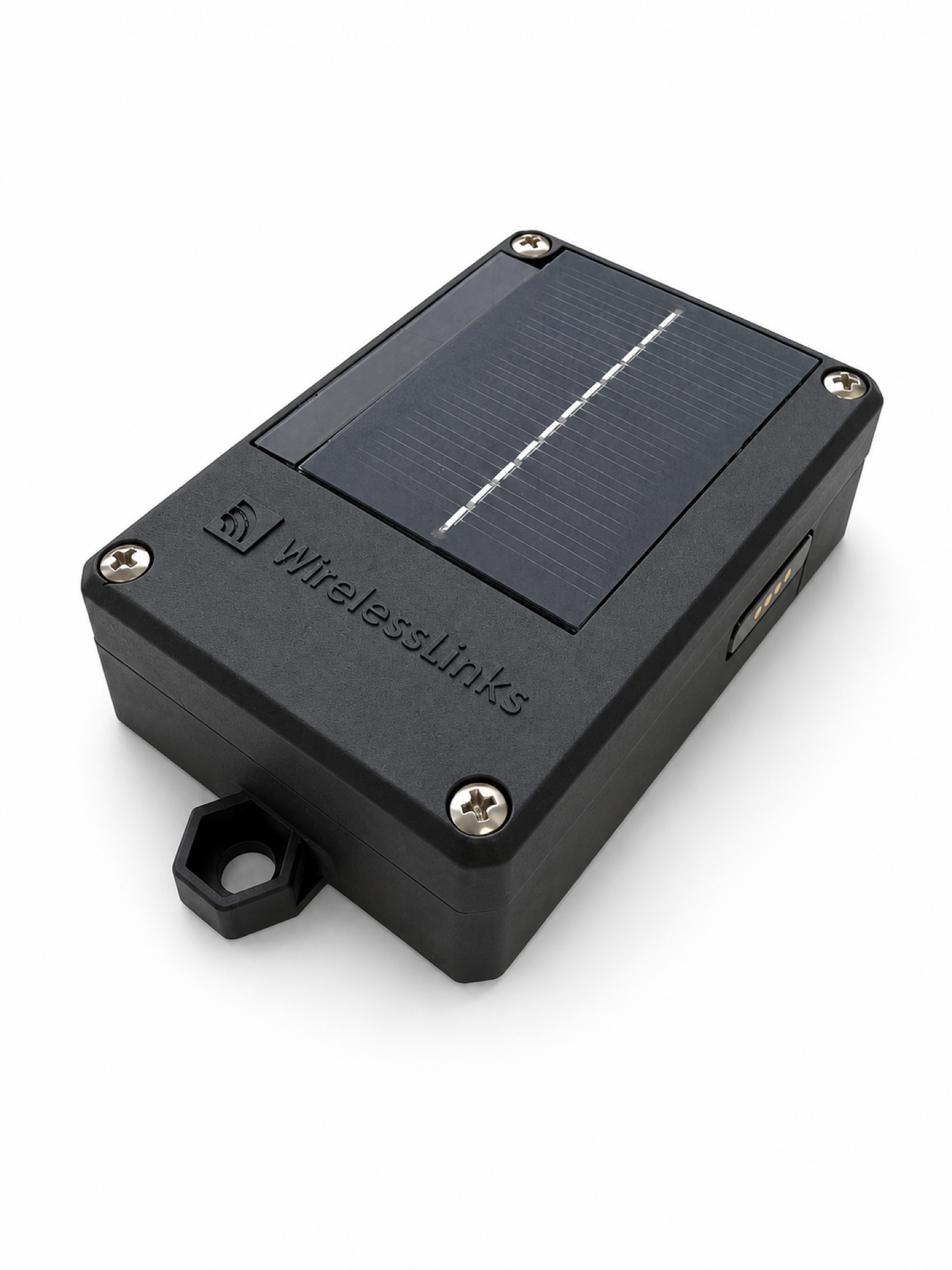 Solar cellular GPS
Compact solar-powered container tracking with Fleet.Net location, movement, dwell, battery, and configured alerts.
View Mini Solar →Best for: cost-effective outdoor visibility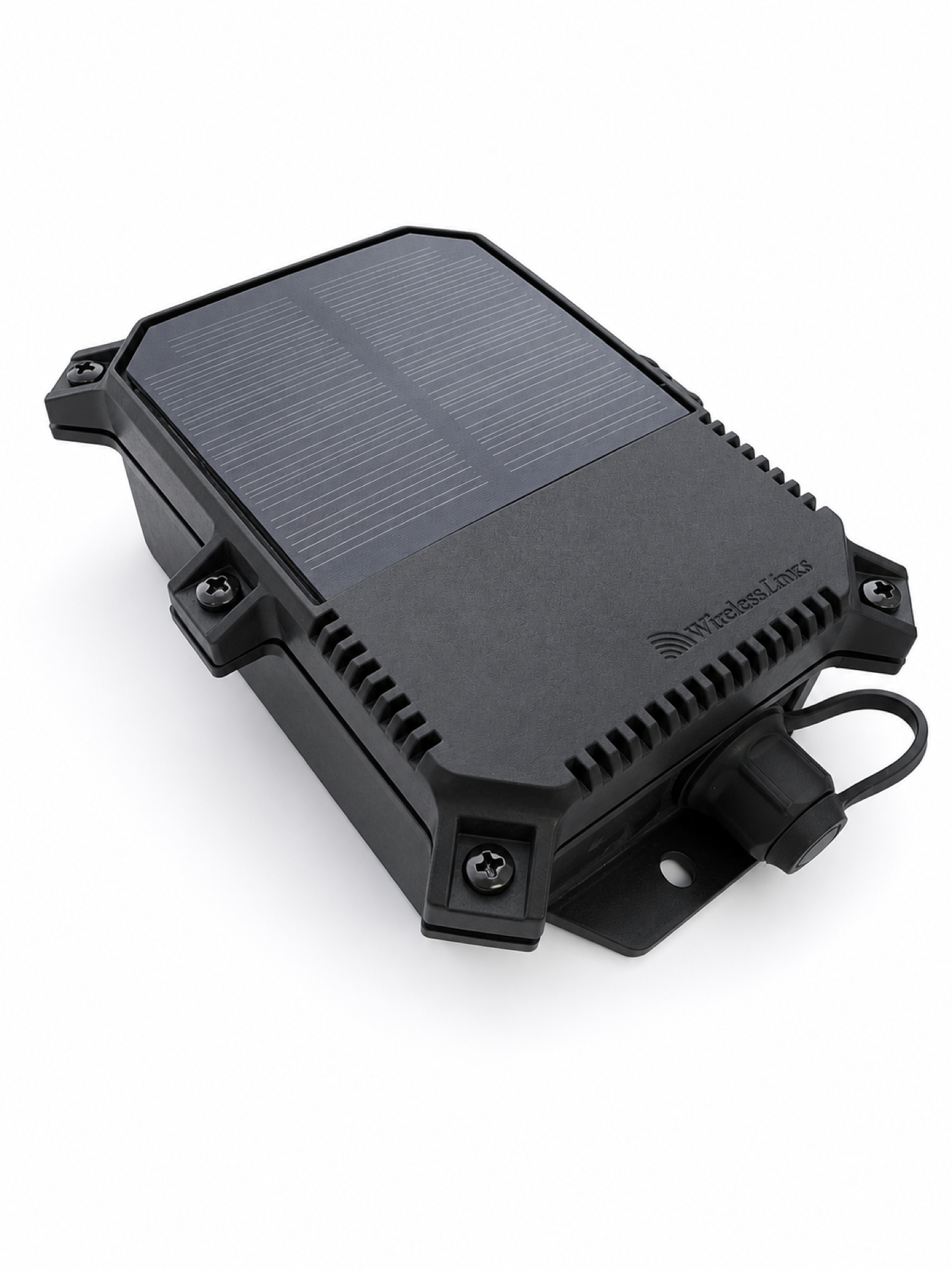 Autonomous cellular GPS
Long-life rechargeable tracking for containers that need independent location, history, geofence, and battery reporting.
View Piccolo ATMS →Best for: standard unpowered containers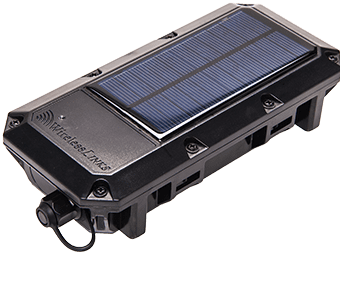 High-capacity battery + solar
Rugged autonomous tracking with exceptional battery capacity for long-duration maritime and intermodal movements.
View Piccolo ATX2S →Best for: extended global deploymentsWhether managing global maritime cargo lines or monitoring intermodal container chassis in port terminals, our telematic systems serve a wide array of logistics markets.
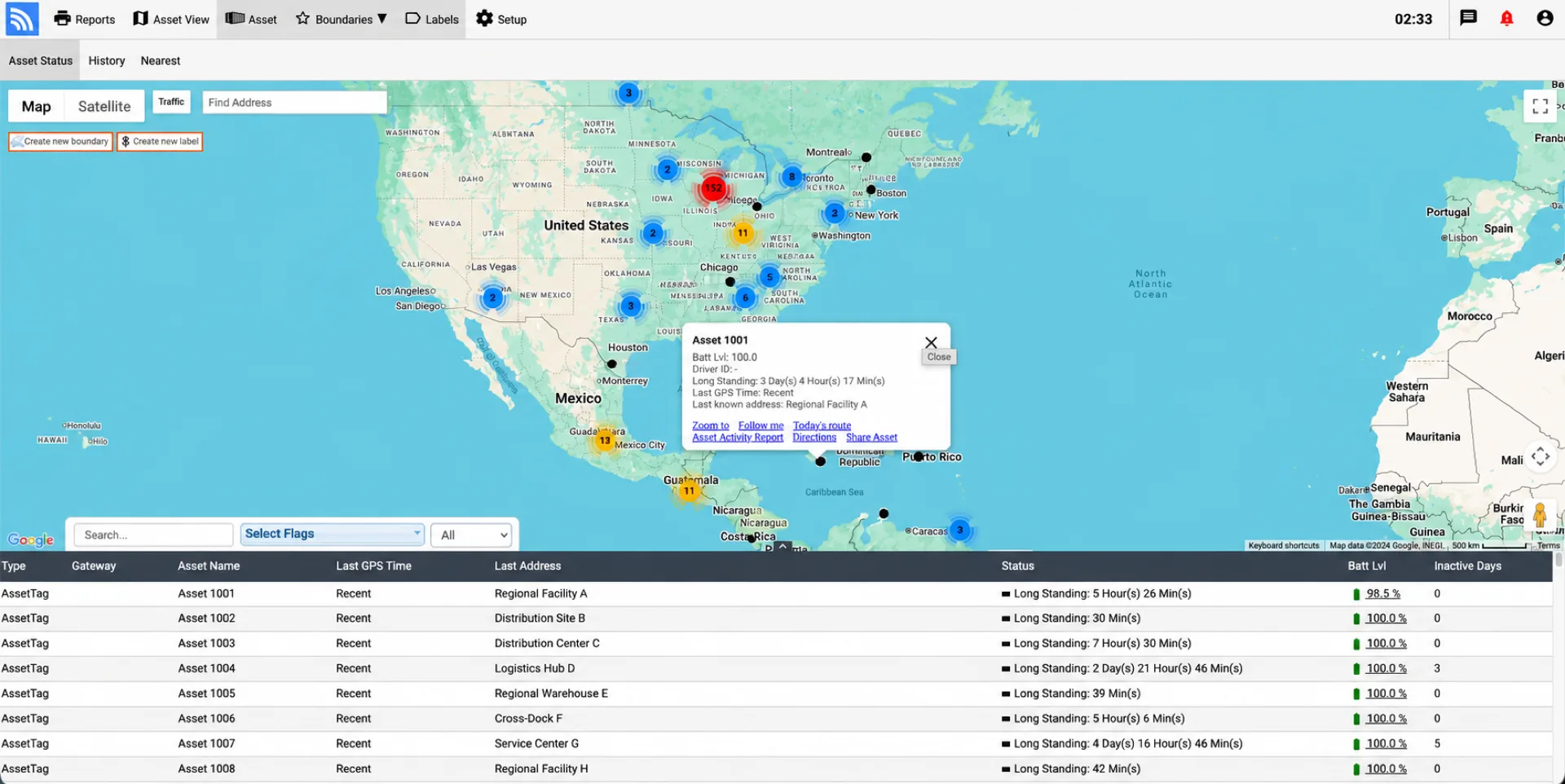
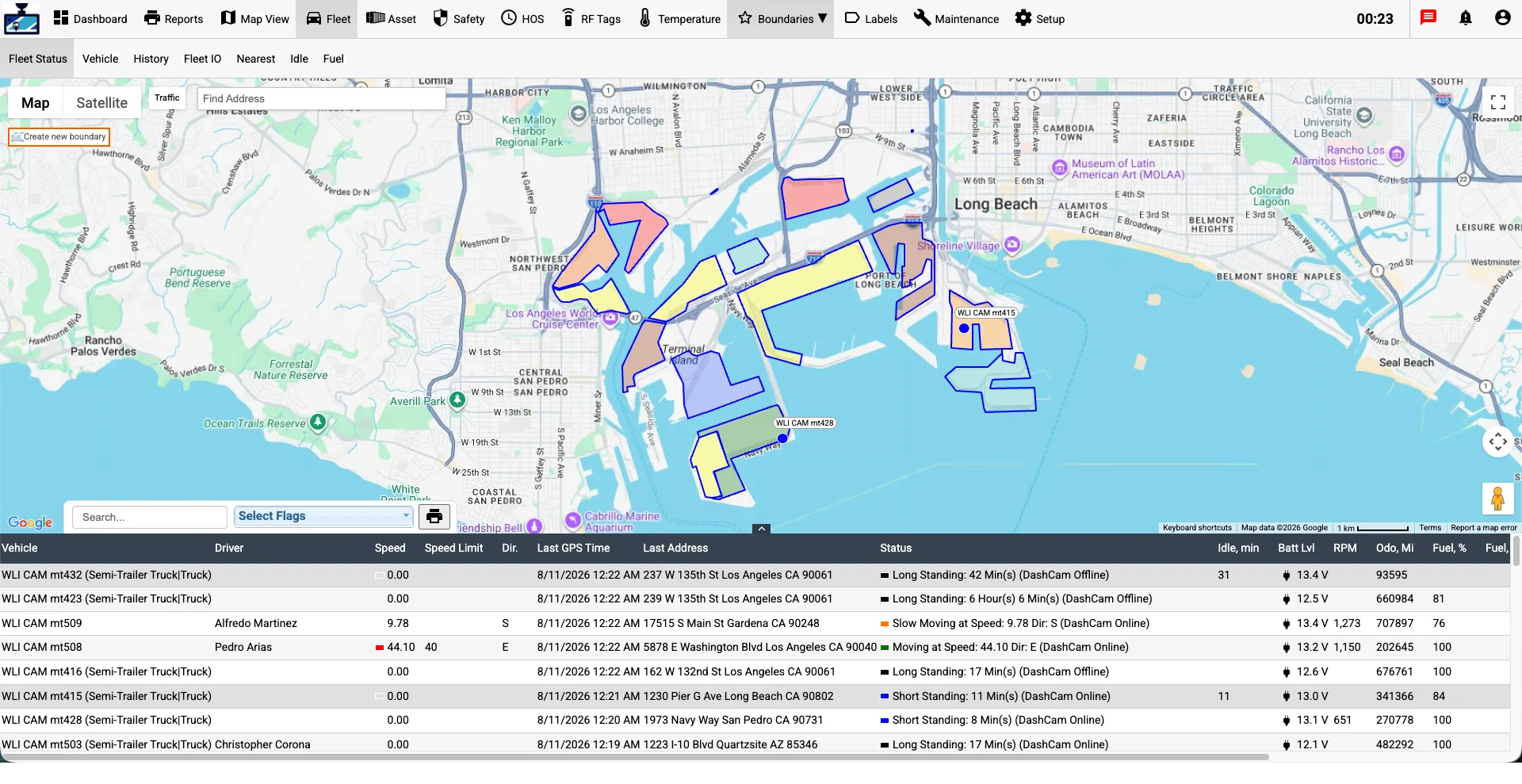
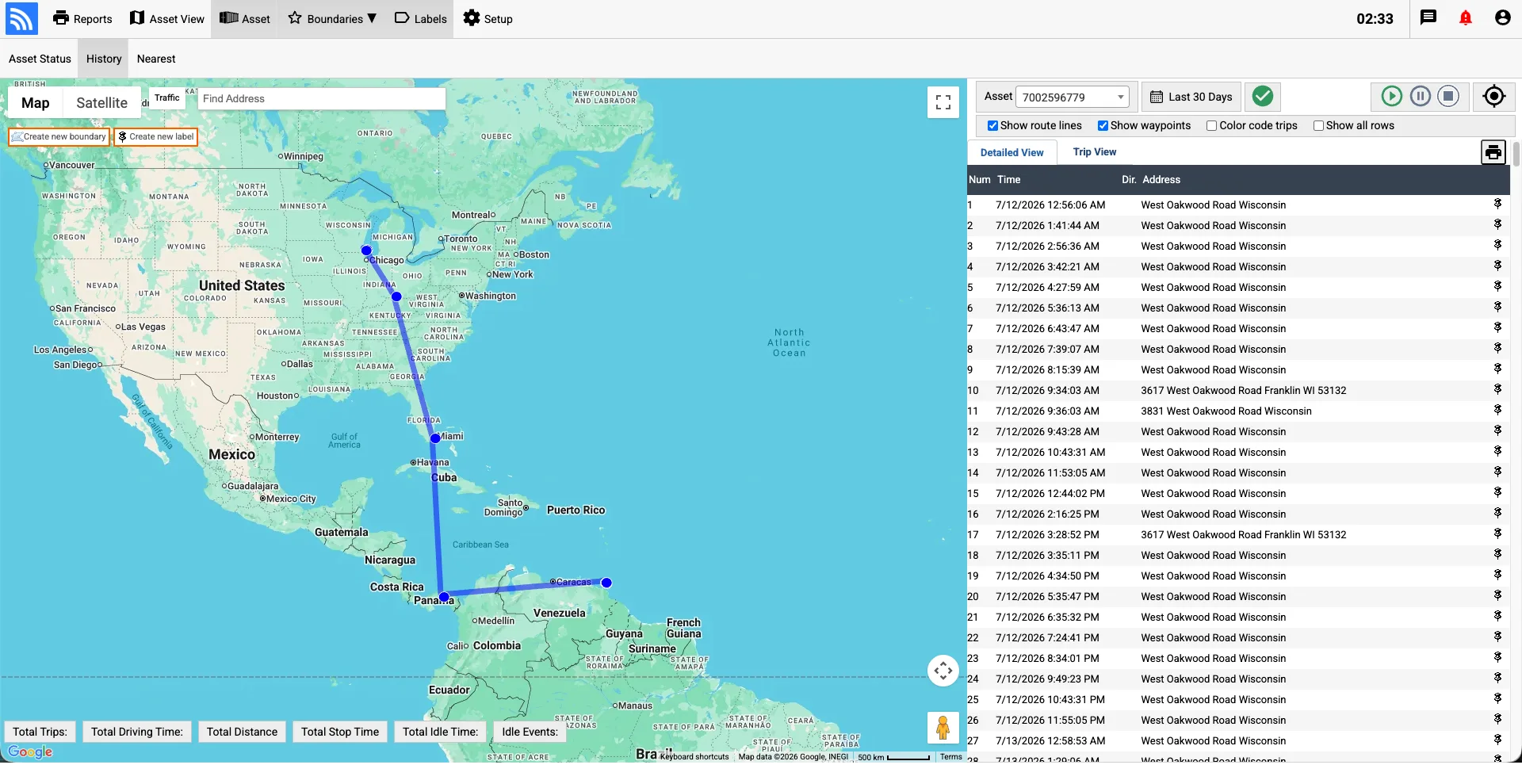
Real time visibility on which container and chassis is at what port, when it got there & for how long it stayed there.
START NOW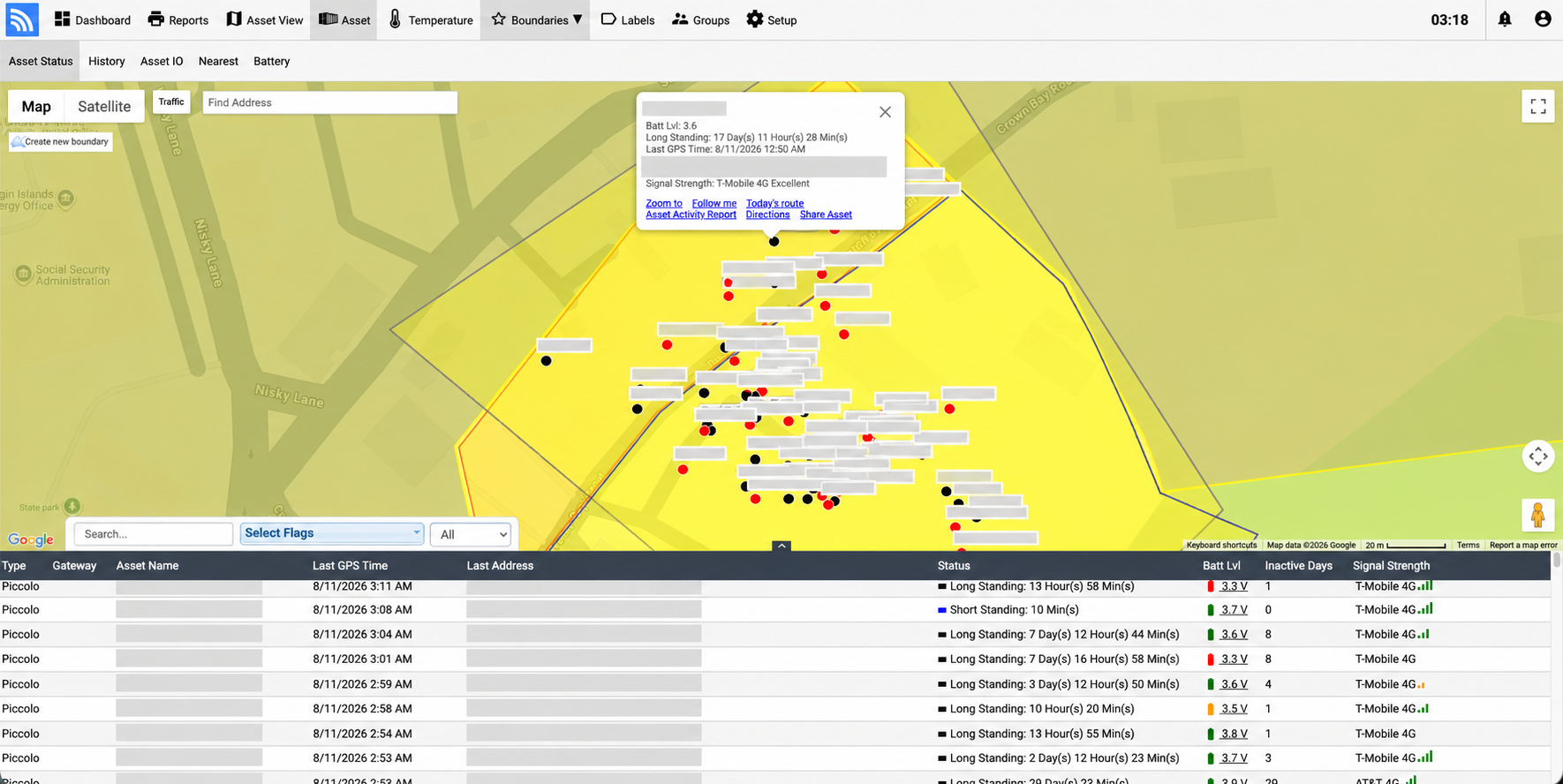
Set boundaries around the ports and monitor at what time an asset gets in and out of the port .
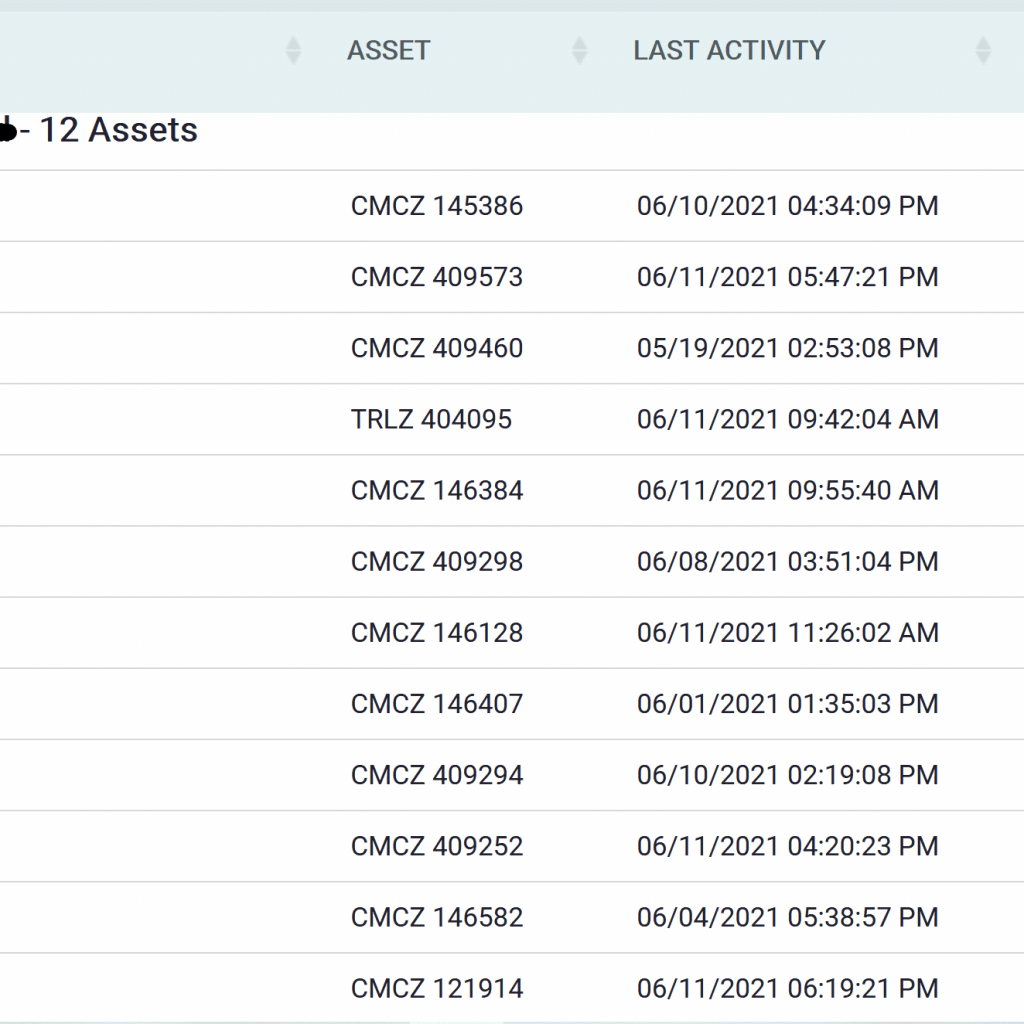
For chassis tracking, we offer a unique solution of Solar BLE tags mounted on containers and a Solar Powered Piccolo ATX2S device mounted on the chassis.
This solution provides you key visibility metrics such as:
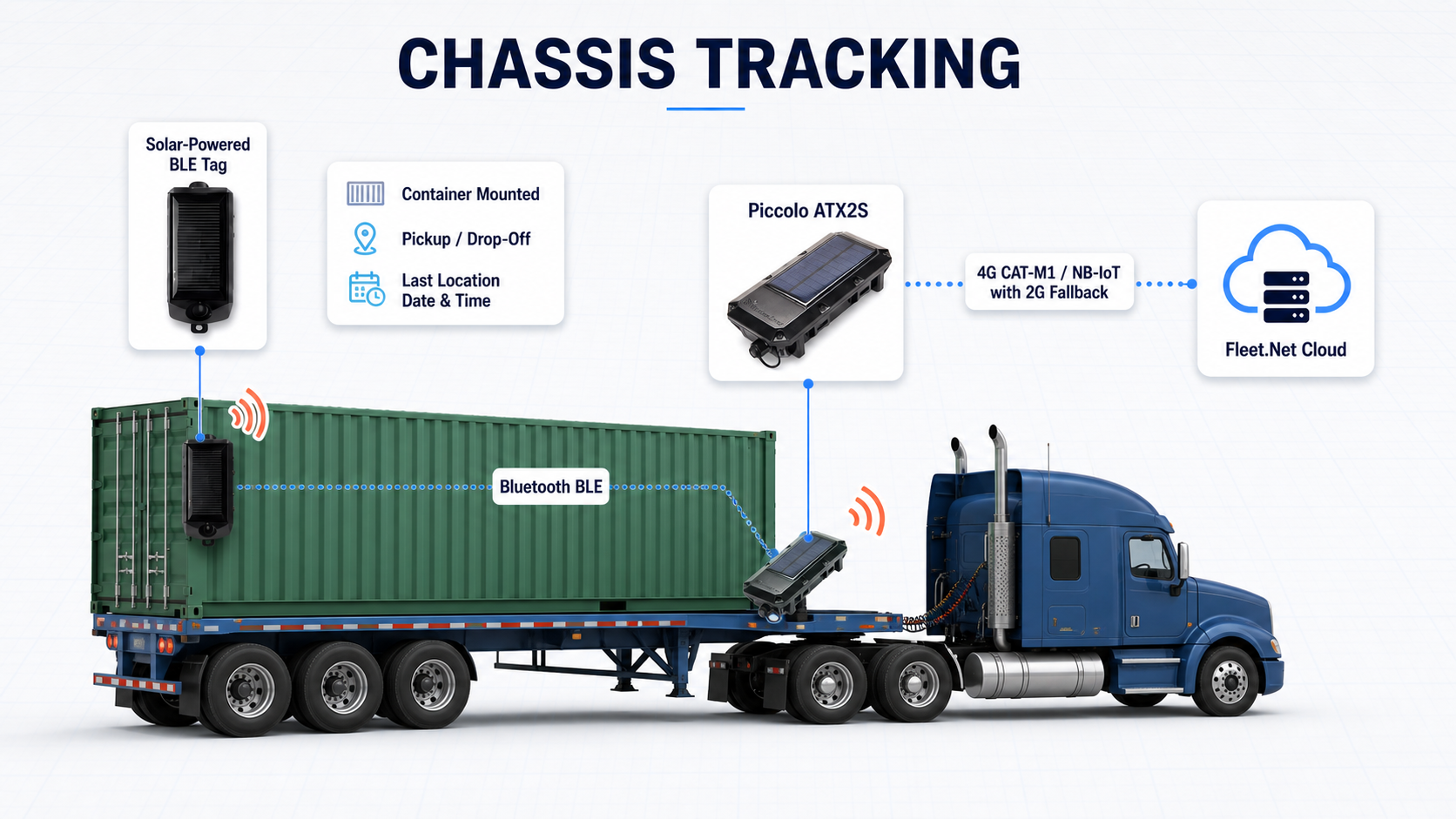
View each container’s latest reported location, movement status, and battery status in Fleet.Net. Search and organize equipment to locate available units across yards and terminals.
Record container arrivals and departures and measure time spent at configured locations. Notify your team when a container remains beyond the detention threshold you set.
Define boundaries around ports, yards, and customer locations. Receive configurable entry, exit, and unauthorized-movement alerts, with optional light sensors for container-door events.
Maintain supported cellular reporting as containers move through ports, terminals, yards, countries, and continents. When coverage is unavailable, compatible devices can store records and forward them after connectivity returns.
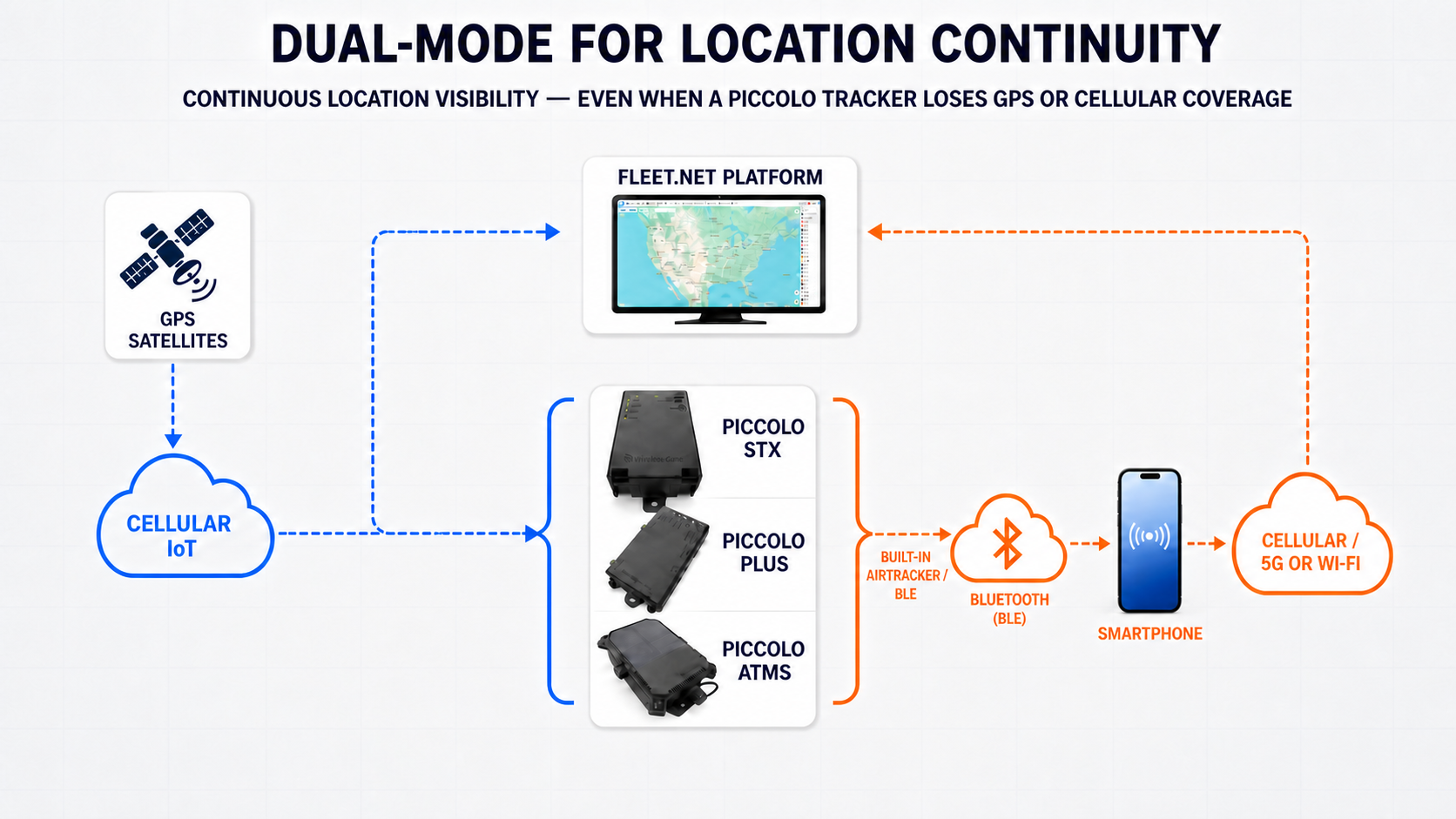
Piccolo’s integrated AirTracker BLE fallback provides an additional communication path when cellular or GPS coverage is lost. Nearby compatible smartphones relay a timestamp and location to the Wireless Links cloud, helping Fleet.Net maintain last-known location visibility and tracking continuity.
Some modern containers are equipped with GPS tracking devices, especially smart or refrigerated containers. However, standard shipping containers typically require a separate GPS tracking device, such as the Piccolo Mini.
You can track container location by: Using GPS tracking devices installed on containers. Checking carrier websites (e.g., Maersk, COSCO) with container numbers or Bill of Lading. Utilizing third-party tracking platforms or container tracking software.
The most accurate tracking method is GPS-based tracking systems installed directly on the container, providing real-time location updates and sensor data.
Empty containers can be tracked the same way as loaded ones, typically through GPS trackers or by checking container location via shipping carrier databases and tracking software.
Shipping companies track containers by: Using GPS tracking systems. RFID tags and IoT sensors. Terminal scanning systems. Container management software platforms.
Yes, modern cargo ships are equipped with marine-grade GPS systems for navigation, route optimization, and real-time vessel tracking.
Commonly used container tracking software includes: Project44 FourKites Fleet.Net CargoSmartSelection depends on specific business requirements and integrations.
To track a Maersk container: Visit Maersk Container Tracking. Enter your container number, booking number, or Bill of Lading number.
A container tracking system is software that provides real-time visibility and location information about shipping containers, typically integrating GPS, RFID, and carrier data for enhanced tracking.
You can track cargo shipments by: Using carrier-specific websites with tracking numbers or Bill of Lading. Deploying GPS tracking units on the shipment/container. Utilizing container tracking software or third-party logistics platforms.
Many containers do, particularly smart or reefer containers. However, standard containers usually require external GPS devices to be installed.
There isn’t a universal form. Instead, location data is commonly logged digitally via GPS trackers, container tracking software, or container inventory management systems.
To track COSCO containers: Go to COSCO Container Tracking. Contact us to discuss your specific needs