Login Portal Get Custom Quote
Mobile Driver App & IoT Gateway

DriverLinkTurn Your Drivers Phone Into A Fleet Tracker

Get complete fleet management, GPS Tracking and 2-way messaging using your drivers mobile phones.

The DriverLink fleet tracking app is designed for both drivers and managers to be more productive, improve driver to dispatcher communication and simplify GPS tracking and tasks including geofence alerts, speeding, real-time GPS tracking, historical trail and reports. Stay connected on the go and receive real-time alerts and notifications of your fleet activity.

Phone-Based GPS Two-Way Messaging BLE Sensor Gateway
Everything Drivers Need in One Mobile App

GPS tracking, fleet communication and nearby-asset visibility—without installing another device in the cab.

Tool Tracking

Use DriverLink as a nearby BLE gateway for Mini Air Trackers attached to tools and portable equipment.

Driver Connectivity

Send push alerts and two-way messages directly to each driver’s smartphone.

Simple & Affordable

Use a driver’s existing smartphone or tablet—no additional in-cab hardware required.

IoT Equipment Inventory

Tool Tracking Gateway

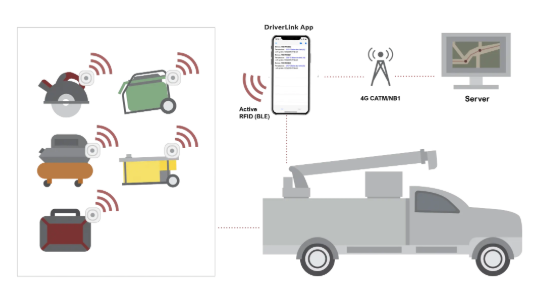
DriverLink can act as a BLE gateway for Wireless Links Mini Air Trackers. Drivers can view nearby tool inventory and receive alerts when tagged equipment may be left behind after a job.

DriverLink BLE tool tracking architecture
Dispatcher Communication

2-Way Messaging

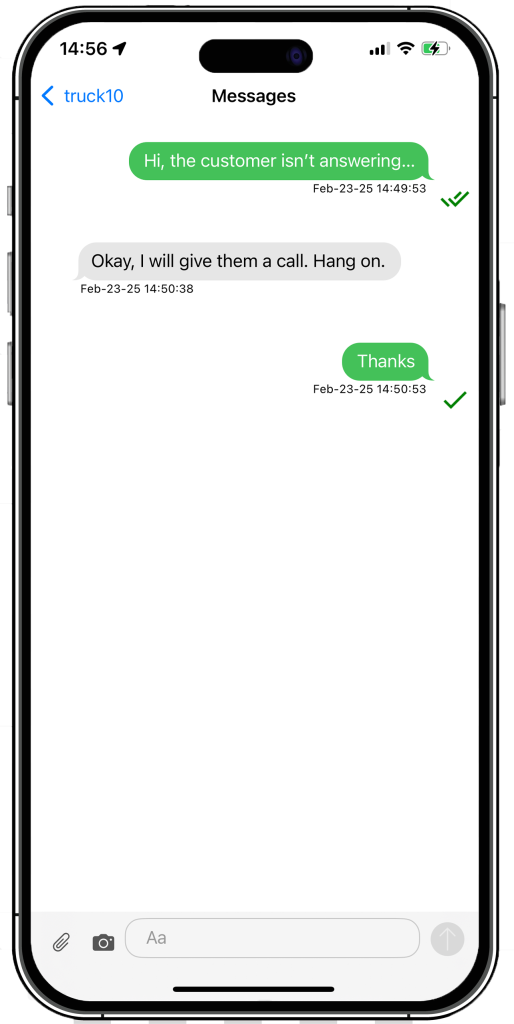
Send messages from the Fleet.Net cloud platform to individual drivers or broadcast messages to groups of drivers at once. With read receipts, you always know when your messages have been delivered and read by your drivers.

DriverLink two-way dispatcher messaging
Hardware-Free Telematics

Transform Drivers Smartphones into GPS Trackers

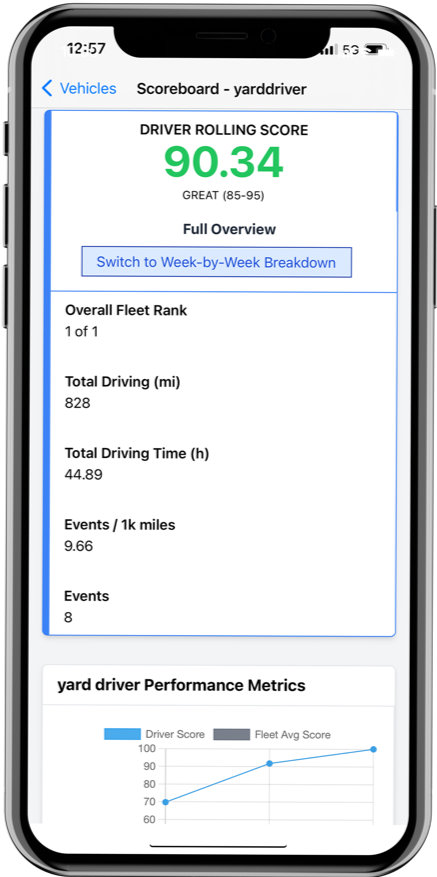
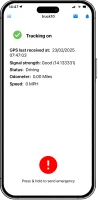
Extend selected fleet workflows to a driver’s smartphone, including mobile location, two-way messaging, notifications, forms, and supported BLE tool detections. Vehicle-grade telematics hardware may still be appropriate when continuous diagnostics, sensor inputs, or dedicated tracking are required.

DriverLink mobile GPS tracking and emergency alert screen
Cold Chain Proof of Delivery

Temperature Alerts

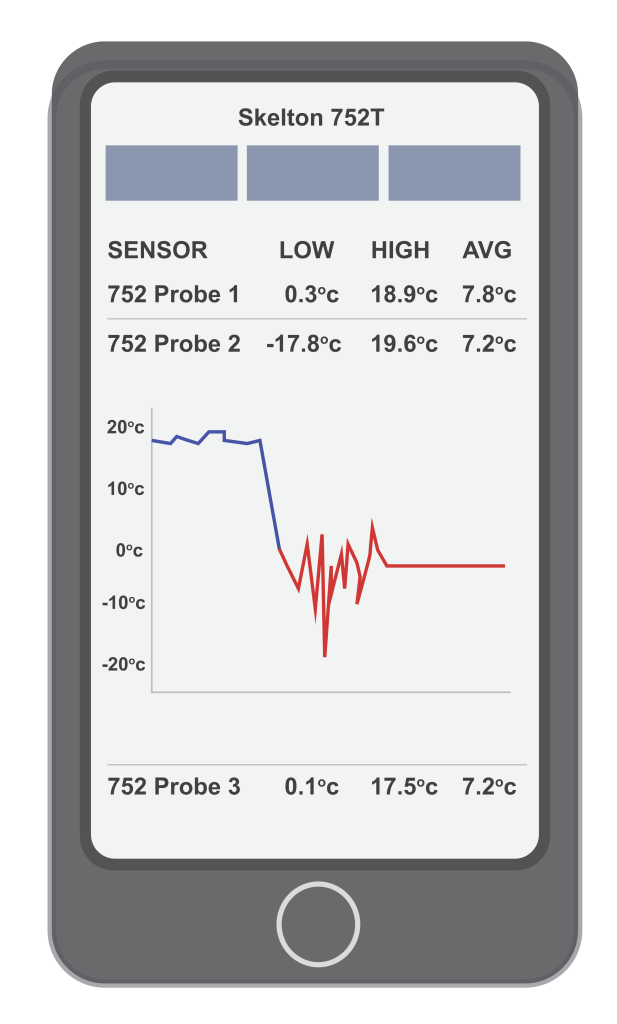
For the Cold Chain, DriverLink fleet tracking app continuously updates the driver with the current temperature, alerting on deviations from the preset temperature thresholds. DriverLink also provides a graphical display of the temperature changes during the day for the driver to present to the customer when delivering the refrigerated cargo.

DriverLink wireless temperature monitoring and history

DriverLink Fleet Tracking App - Frequently Asked Questions

Common questions about mobile location, messaging, BLE detections, temperature visibility, and when dedicated vehicle hardware is still appropriate.

Does DriverLink require specialized hardware in the vehicle?
DriverLink can support selected mobile workflows without a dedicated tracker, but it does not replace vehicle-grade hardware in every application. Dedicated telematics devices remain appropriate for continuous vehicle diagnostics, sensor inputs, reliable ignition status, and installations that should not depend on a driver’s phone.
How does DriverLink track tools left behind at job sites?
DriverLink can detect supported BLE tags attached to tools and associate those detections with the mobile user and location. Configured workflows can notify the driver when expected equipment is no longer detected before or during departure.
Can dispatchers send broadcast messages with read receipts?
DriverLink supports two-way communication with Fleet.Net. Available group messaging, delivery status, and acknowledgement behavior should be confirmed for the deployed app version and workflow.
How does DriverLink assist drivers during refrigerated cargo delivery?
When connected to a compatible cold-chain deployment, DriverLink can display authorized temperature information and configured alerts. Historical graphs can support delivery and quality workflows, but they should not be described as proof of an unbroken cold chain without reviewing sensor coverage and operating procedures.