
Enterprise GPS Asset Tracking Devices
Get complete real-time visibility, prevent cargo theft, and optimize asset utilization. Monitor trailers, containers, pallets, tools, and mixed fleets in one centralized cloud platform.
Relevant to cargo security operations
Cargo Trailer Security – How to Secure a Trailer
From robbers attacking merchants on trading roads, to pirates seizing ships at sea, to bandits on horseback robbing stagecoaches, cargo theft has been around for centuries.
Fast forward to today, Trucks have replaced horse-drawn wagons and today’s perpetrators are not the robbers we see in western movies, but cargo theft is more relevant than ever having a significant impact on the U.S. economy. It is estimated that cargo crime accounts for a direct merchandise loss of $15 to $30 billion per year.
In 2017, The average loss value per incident was $254,800, with food and beverage being the most targeted with electronics in second place.
Actionable Reporting & ROI Insights:
- 1-201-531-5906
- marketing@wlius.com
- 1050 Wall St W Suite 340 Lyndhurst, NJ 07071
- GPS Asset Tracking
Core equipment features in action
Click through the tabs below to explore how Wireless Links optimizes security, utilization, health, and fuel logs on active construction sites.
Ensure Heavy Equipment Security
Construction sites are prime targets for theft. Secure your construction site and get automated alarms on geofence boundary exits or off-hours, unauthorized use.
With real-time GPS tracking, you can rapidly respond to theft, drastically increasing the chances of recovery and potentially lowering insurance premiums.
Improve Asset Utilization
Make better business decisions by viewing asset utilization across all your job sites. Identify underutilized assets and reallocate them where needed instead of renting additional equipment.
By tracking engine hours and mileage, you know exactly how hard your equipment is working.
Preventative Maintenance & Equipment Health
Breakdowns cause costly downtime. Create automated maintenance logs and plan preventative repairs based on actual engine hours rather than calendar days.
Receive real-time fault code alerts to prevent major breakdowns and keep your equipment functioning at peak performance. Seamlessly tie this data into your broader fleet tracking and maintenance software.
Reduce Idling To A Minimum
Fuel costs eat into project margins. Our tracking solutions allow you to track excessive idle time and fuel use.
Set alerts for idling outside your preferred limits so you can enforce site policies, reduce fuel waste, and lower your carbon footprint.
How the tracking system works
Our tracking ecosystem is designed for plug-and-play simplicity, ensuring your assets are visible within minutes.
Strategic Network Setup
LoRa gateways are installed strategically throughout the yard or job site, creating a localized, low-power wide-area network.
Asset Tagging
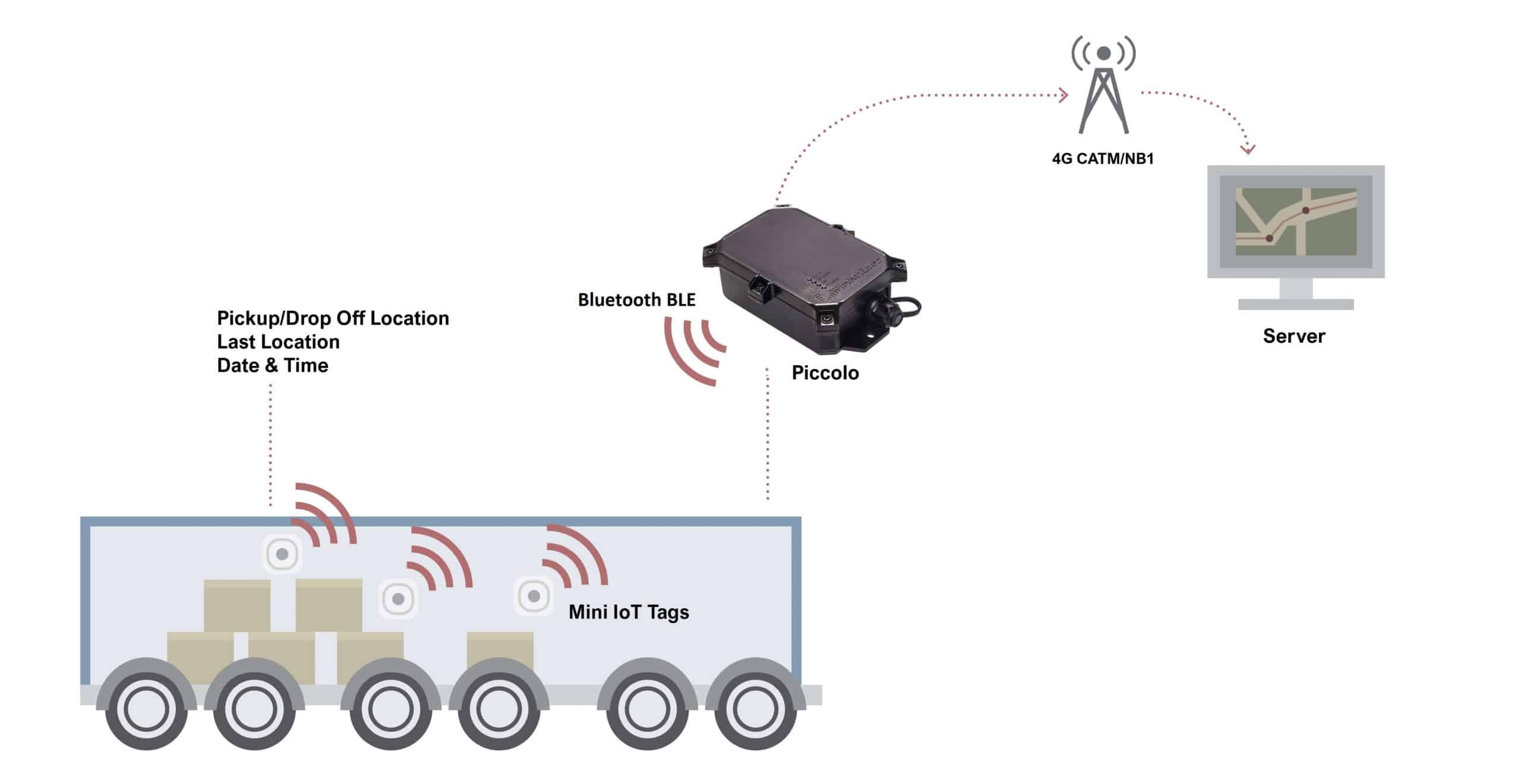
Each asset is tagged with a compatible tracker, such as our Solar Powered ATL-1 LoRa GPS Tracker or a Mini IoT Tag.
Data Transmission
The tracker reads and sends precise GPS coordinates and sensor data via cellular, satellite, or private LoRa to the cloud gateway.
Cloud Management
Data is consolidated into the Fleet.Net Cloud Platform in real-time, providing managers with a single pane of glass visibility.
Key features built for mixed fleets
Select any of the top asset tracking features below to view live dashboard readout metrics and device logs.
Manage Every Asset from Fleet.Net
Unify mixed fleets of trailers, containers, pallets, tools, and vehicles in one central portal, replacing fragmented legacy tools.
Centralized Visibility
Gain real-time visibility into all trailers, cargo containers, vehicles, and mixed fleets in one centralized telematics dashboard.
Operational Efficiency
Optimize deployment loops, verify cargo transit times, and reduce asset dwelling or yard hunts.
Worker Safety & Cargo Protection
Protect cargo integrity and drivers on route or in remote yards with real-time alert logs and temperature audits.
Maximize Supply Chain ROI
Gain instant visibility into daily asset operations to optimize logistics routes and provide automated transit reports.
Real-time visibility into all logistics assets, in one centralized dashboard
Industries that rely on equipment tracking
From large infrastructure civil engineering projects to daily local rental hand-offs, our telematics devices serve a wide array of markets.
A unified view of all your assets, even the unpowered or hard-to-reach ones
Waste management
Bluetooth location tracking in near-real-time via the Wireless Links Network, with customizable GPS updates for remote, high-value unpowered assets like roll-offs, containers, and water tanks.
Powered assets
Real-time visibility and reporting into powered assets such as scissor lifts, light towers, and generators.
Construction equipment
Real-time visibility and advanced diagnostics for yellow iron equipment such as forklifts, excavators, and dozers.
Tool tracking
Bluetooth location tracking in near-real-time via the Wireless Links Network for mission-critical small assets with the Asset Tag.
Trailer tracking
Real-time GPS tracking, geofence boundary alerts, and historical movement logs for mixed trailers, flatbeds, and chassis.
Container tracking
Global container tracking with long-life battery systems, intrusion detection, and ocean/land terminal route history.
Pallet tracking
Item-level location and cargo integrity auditing using high-density active BLE tags and in-transit cargo gateway routers.
Medical equipment tracking
Proximity Bluetooth tracking for high-value clinical equipment, medical charts, and diagnostic kits across hospital campuses.
Fleet vehicle tracking
Live GPS mapping, engine diagnostics, PTO audits, and driving behavior scoring for commercial cars and delivery fleets.
Frequently Asked Questions
Find answers to common operational, installation, and deployment questions.
How do construction companies keep track of inventory?
Modern construction companies use a combination of cloud-based software and connected IoT hardware to track inventory. By placing GPS, BLE, or LoRa tags on heavy machinery, attachments, and smaller tools, companies can view their entire inventory on a digital map. This replaces manual clipboards and spreadsheets, ensuring accurate, real-time counts across multiple yards and active job sites.
How do construction companies track equipment?
Equipment is tracked by installing ruggedized telematics devices directly onto the asset. For powered machinery (like bulldozers), trackers are hardwired to draw power and read engine data. For unpowered assets (like light towers or dumpsters), battery-powered or solar-powered GPS trackers are used. These devices ping their location at set intervals via cellular or satellite networks to a central dashboard.
What can I use to track my equipment?
You can use a variety of hardware depending on the asset. For large outdoor machinery, a Solar Air Tracker provides infinite battery life. For smaller buckets or attachments, a compact Mini Air Tracker or BLE tag is ideal. For mixed fleets, a hybrid system combining hardwired vehicle trackers and wireless asset tags provides the most comprehensive coverage.
Does heavy equipment have GPS tracking?
Many modern pieces of heavy equipment come with factory-installed telematics (OEM telematics). However, construction companies usually operate mixed fleets from various manufacturers (Caterpillar, John Deere, Komatsu, etc.). To get all equipment onto a single screen, companies rely on third-party aftermarket GPS tracking systems that unify all assets regardless of make or model.
How to track heavy equipment?
To track heavy equipment, you must select an appropriate IP-rated GPS device, install it discreetly on the asset, and connect it to a fleet management software platform. Once activated, the device will automatically transmit its GPS coordinates, Modern construction companies use a combination of cloud-based software and connected IoT hardware to track inventory. By placing GPS, BLE, or LoRa tags on heavy machinery, attachments, and smaller tools, companies can view their entire inventory on a digital map. This replaces manual clipboards and spreadsheets, ensuring accurate, real-time counts across multiple yards and active job sites.Equipment is tracked by installing ruggedized telematics devices directly onto the asset. For powered machinery (like bulldozers), trackers are hardwired to draw power and read engine data. For unpowered assets (like light towers or dumpsters), battery-powered or solar-powered GPS trackers are used. These devices ping their location at set intervals via cellular or satellite networks to a central dashboard.You can use a variety of hardware depending on the asset. For large outdoor machinery, a Solar Air Tracker provides infinite battery life. For smaller buckets or attachments, a compact Mini Air Tracker or BLE tag is ideal. For mixed fleets, a hybrid system combining hardwired vehicle trackers and wireless asset tags provides the most comprehensive coverage.Many modern pieces of heavy equipment come with factory-installed telematics (OEM telematics). However, construction companies usually operate mixed fleets from various manufacturers (Caterpillar, John Deere, Komatsu, etc.). To get all equipment onto a single screen, companies rely on third-party aftermarket GPS tracking systems that unify all assets regardless of make or model.To track heavy equipment, you must select an appropriate IP-rated GPS device, install it discreetly on the asset, and connect it to a fleet management software platform. Once activated, the device will automatically transmit its GPS coordinates,
