
A Yard Management System (YMS) is the critical software & IoT layer that coordinates trailers, chassis, dock doors, and spotters. Discover how real-time telematics and private LoRa grids eliminate bottlenecks, eliminate detention fees, and bridge the gap between your WMS and TMS.
A Yard Management System (YMS) is a purpose-built software and IoT ecosystem engineered to coordinate, track, schedule, and direct logistics assets—including dry vans, chassis, flatbeds, refrigerated trailers, ocean containers, and yard spotters (jockeys)—across the perimeter of a distribution center, warehouse, or intermodal terminal.
In modern supply chains, a major visibility blind spot exists between highway transportation and inside-the-four-walls warehousing. While Transportation Management Systems (TMS) manage freight over the road, and Warehouse Management Systems (WMS) govern pallet movements indoors, the yard is frequently managed with outdated paper clipboards, two-way radios, and manual yard checks.
A YMS closes the visibility chasm. By combining rugged IoT trackers (such as solar-powered LoRa devices) with automated gate software, logistics leaders obtain sub-second real-time awareness of every trailer location, door dwell time, and driver turn time.
A modern YMS automates traditionally manual yard workflows, enforces carrier appointment compliance, measures driver dwell vs. detention thresholds, and delivers comprehensive KPI analytics to optimize facility velocity.
Inbound carrier ETA & load manifests
Gate, spotter tasking & private LoRa grid
Dock door unloading & inventory put-away
Without automated telemetry, facility yards quickly turn into chaotic bottlenecks that inflate operating expenses and trigger expensive carrier penalties.
As global commerce expands, distribution centers process hundreds of inbound trailers daily. Coordinating multi-carrier equipment without automated tracking leads to misplaced containers and dock congestion.
Yard space is limited and costly. Yard spotters (jockeys) waste up to 40% of their shifts searching for lost trailers ("deadheading"), creating severe unloading delays at active warehouse dock doors.
Carriers assess strict penalties ( to /hour) when drivers are delayed past free time windows. Lack of gate time stamps makes disputing illegitimate carrier detention fees nearly impossible.
Yards are high-risk zones for accidents, unauthorized gate exits, and cargo theft. Managing OSHA rules, reefer temperature compliance, and hazardous materials demands continuous digital logging.
An integrated DYMS transforms chaotic yards into predictable, synchronized throughput engines.
Dynamically schedule dock doors based on warehouse staffing readiness, shipment priority, and trailer content. Eliminates congested queues outside active bays.
Replace chaotic radio chatter with intelligent dispatch directly to in-cab spotter tablets. Moves are ordered logically to minimize empty driving miles.
Private LoRa wireless beacons update exact yard slot coordinates continuously. Logistics teams find any chassis, dry van, or reefer instantly on interactive satellite maps.
Log precise gate-in and gate-out timestamps automatically. Eliminates disputed detention claims with undeniable, tamper-proof electronic records.
A standardized, automated digital workflow that coordinates freight from gate approach to outbound release.
Driver arrives at facility gate. YMS verifies electronic BOL against WMS appointments, logs trailer number via OCR/RFID/LoRa tag, and assigns an exact staging spot or live dock door in under 60 seconds.
The YMS auto-generates a move task dispatched to the nearest yard hostler cab. The spotter moves the trailer to the assigned slot with step-by-step confirmation, updating terminal inventory in real-time.
When the warehouse bay is ready, the YMS calls the trailer to the dock door. IoT sensors verify door lock, trailer temperature integrity (for cold chain loads), and loading progress.
Upon load completion, the trailer is sealed, moved to the outbound staging zone, and cleared for carrier pickup. The gate system auto-validates departure and updates the enterprise TMS/ERP.
Deploying an automated Yard Management System delivers fast payback by directly cutting labor waste, fuel burn, and carrier detention penalties.
Eliminate invalid carrier detention penalties with timestamped gate audits.
From hours of manual yard walking to instant one-click digital inventory checks.
Keep dock bays working continuously with proactive, automated trailer staging.
Optimized dispatch routes minimize unnecessary yard jockey idling and driving.
Selecting the correct IoT tracking technology is fundamental to YMS ROI. Below is an engineering comparison between private on-premise LoRa networks and public cellular trackers.
| Evaluation Criteria | Wireless Links Private LoRa Grid Recommended for Yards | Standard Cellular GPS Trackers |
|---|---|---|
| Monthly SIM / Data Fees | zsh.00 / month (Operates on your own private radio gateway grid) | .00 – .00 / month per asset (Carrier SIM card required) |
| Battery Life & Power | Solar-Powered Autonomous (Zero battery maintenance for 5-7+ years) | High power consumption; requires frequent recharge or battery swaps |
| Network Coverage in Yard | Dedicated Private Grid (Guaranteed coverage even in cellular dead zones) | Subject to public cell tower signal, dead spots, and regional carrier outages |
| Hardware Cost at Scale | Ultra-Cost-Effective Tags (Economical to tag 1,000+ trailers and chassis) | High hardware modem cost per unit; difficult to justify for static yard assets |
| Data Transmission Rate | Lightweight telemetry packets (Coordinates, gate pings, temperature & solar status) | Large data packets (High bandwidth suited for live over-the-road navigation) |
| Ideal Application | Distribution Yards, Depots, Ports & Enclosed Facilities | Long-haul interstate transportation and high-value en-route tracking |
For maximum enterprise flexibility, top logistics operators deploy a hybrid model: equipping long-haul highway tractors with 4G LTE telematic units (like the Piccolo Plus) while fitting yard trailers, chassis, and containers with solar-powered ATL-1 LoRa Trackers. This eliminates 100% of recurring SIM costs for static yard assets while maintaining real-time visibility across the entire supply chain.
Explore how different sectors leverage Yard Management Systems to optimize throughput.
High-velocity distribution centers handle rapid cross-docking operations. YMS enables automated dock allocation, ensures hot e-commerce trailers are prioritized, and synchronizes spotters with picking crews to maintain strict parcel delivery windows.
Port yards and rail ramps manage thousands of ocean containers and chassis spread over hundreds of acres. Private LoRa networks provide reliable grid coverage across dense metal container stacks without incurring massive cellular data bills.
Refrigerated trailers require strict FSMA temperature auditing. Integrating LoRa wireless temperature probes with YMS provides automated alerts if reefer temps spike or fuel levels drop, preventing catastrophic cargo spoilage.
Just-in-time (JIT) manufacturing plants rely on precise sequence deliveries of raw components. YMS coordinates supplier trailers right outside the assembly line doors, eliminating expensive plant downtime.
Wireless Links manufactures industrial-grade telematics hardware specifically designed for severe weather, zero-power assets, and long-range private radio connectivity.
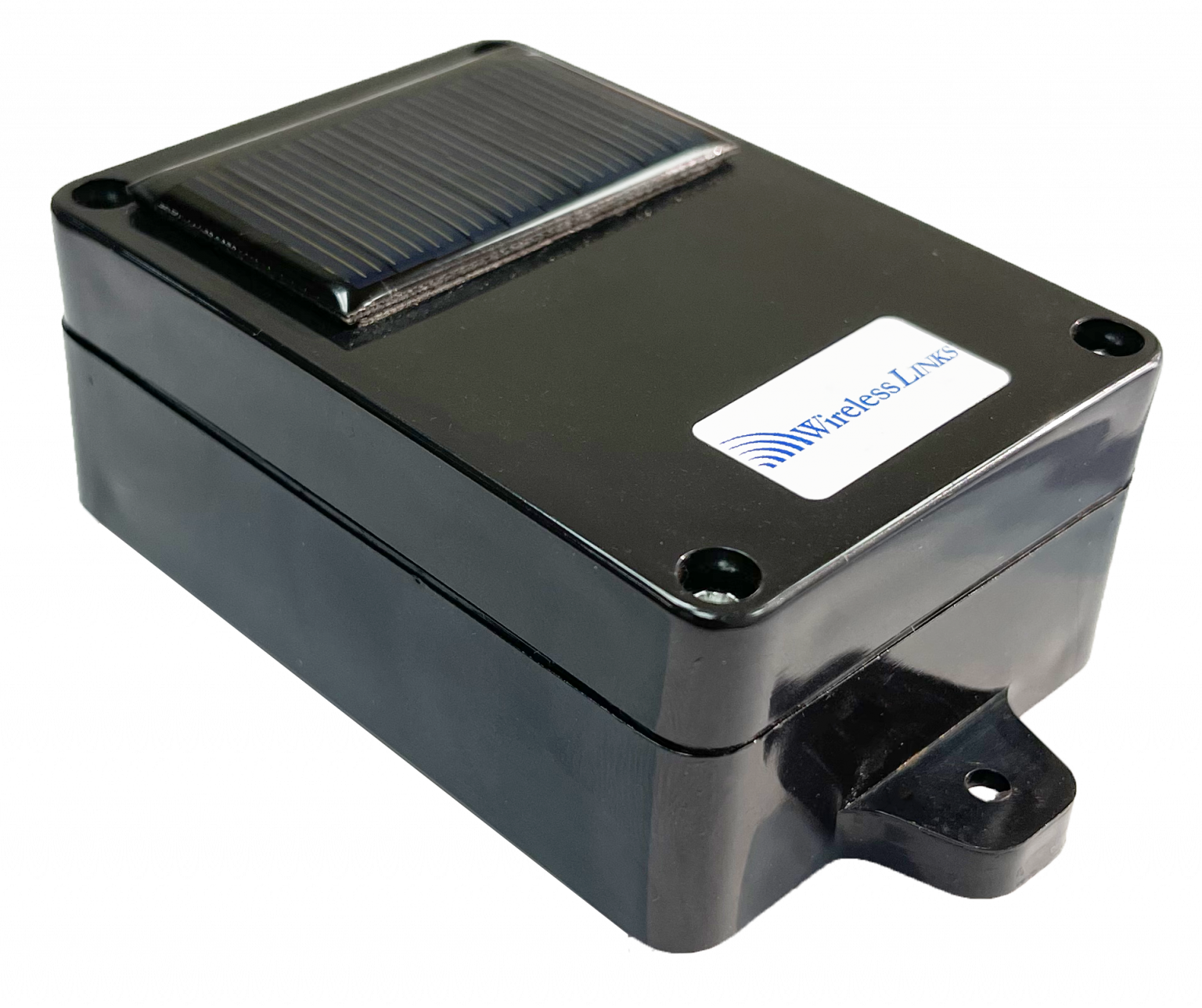
Rugged IP67 solar-powered GPS tag for chassis, flatbeds, and containers. Operates indefinitely on sunlight with zero maintenance or SIM card fees.
Explore ATL-1 Tracker →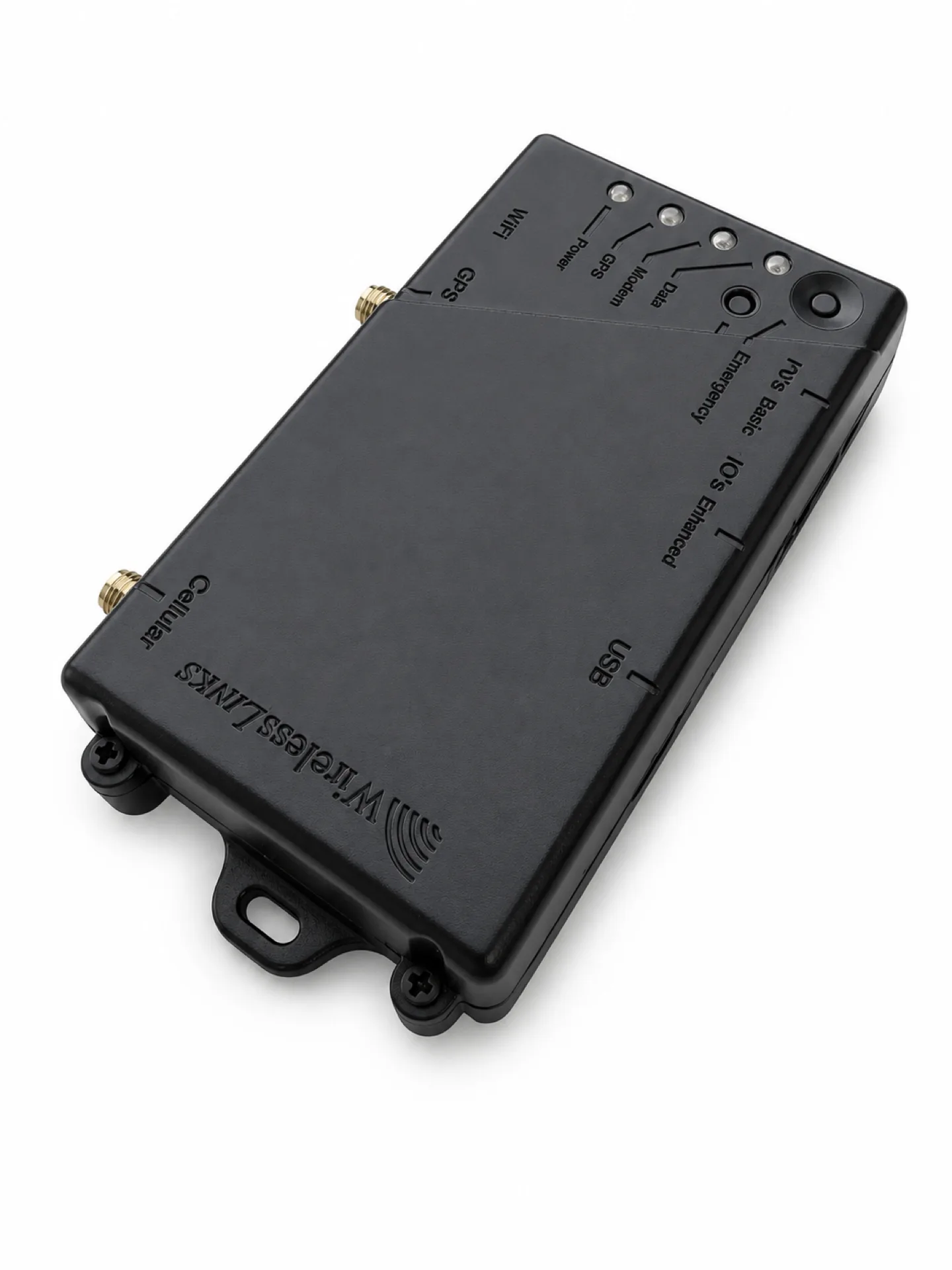
Heavy-duty receiver installed at gates and yard light poles. Aggregates telemetry from thousands of yard tags and relays logs securely to Fleet.Net cloud.
View Gateway Specs →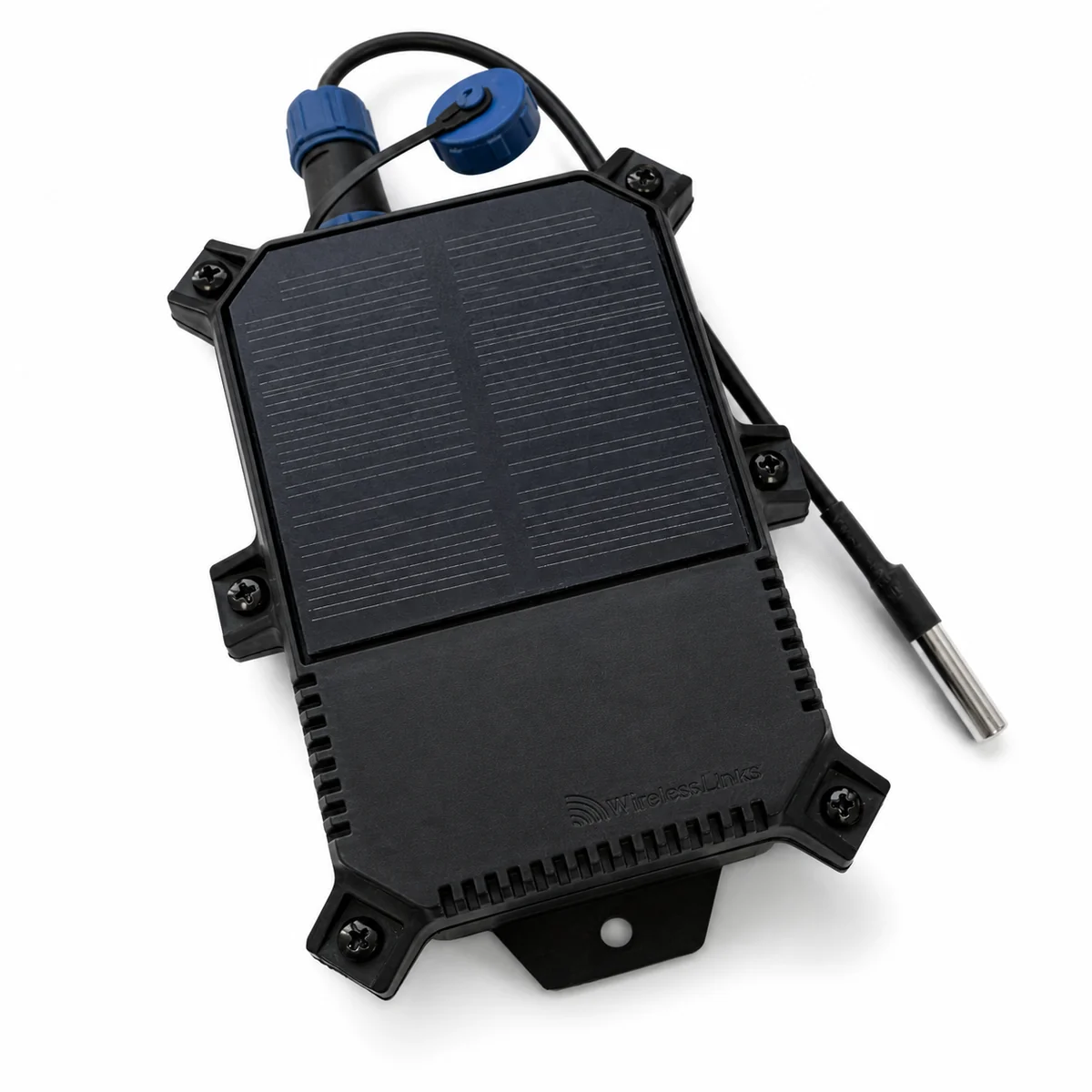
Wireless cold chain probe monitoring reefer interior temperatures from -40°C to +85°C with automated threshold deviation alarms.
View Temperature Probe →Everything you need to know about implementing a Yard Management System for your enterprise.
Fleet.Net YMS provides modern REST APIs, Webhooks, and standard EDI connectors (such as EDI 214, 204, and 990) to integrate seamlessly with major enterprise systems, including SAP, Oracle, Manhattan Associates, Blue Yonder, HighJump, and custom ERPs. Inbound manifests flow directly into YMS, and gate timestamps are sent back automatically.
LoRa operates on a private, license-free radio band. By placing 1 to 3 gateways on your facility grounds, you create your own dedicated wireless network with zero recurring monthly SIM card fees. LoRa tags consume a fraction of the power required by cellular modems, allowing solar tags like the ATL-1 to run for 5+ years without battery replacements.
Because Wireless Links hardware is largely solar-powered and wireless (no complex trenching or conduit required), hardware installation can be completed in days. Software setup and WMS/TMS API integration typically takes 2 to 4 weeks depending on customized workflow rules.
Detention fees arise when carrier drivers wait past their allotted 2-hour window. YMS timestamps driver arrival, automatically assigns an open dock door or staging slot, and logs departure with digital geofences. These tamper-proof logs provide indisputable defense against inaccurate carrier invoices.
Yes. Third-party trailers can be logged at the gate using digital OCR license plate recognition or assigned temporary magnetic "clip-on" LoRa tags at check-in, which are retrieved upon outbound gate release.
Spotter trucks simply require a standard rugged tablet or mobile phone running the Fleet.Net DriverLink app. Dispatchers send work orders digitally, and drivers tap one button to accept, locate, and confirm moves, eliminating confusing radio chatter.