
Do Dash Cameras Record When the Car is Off?
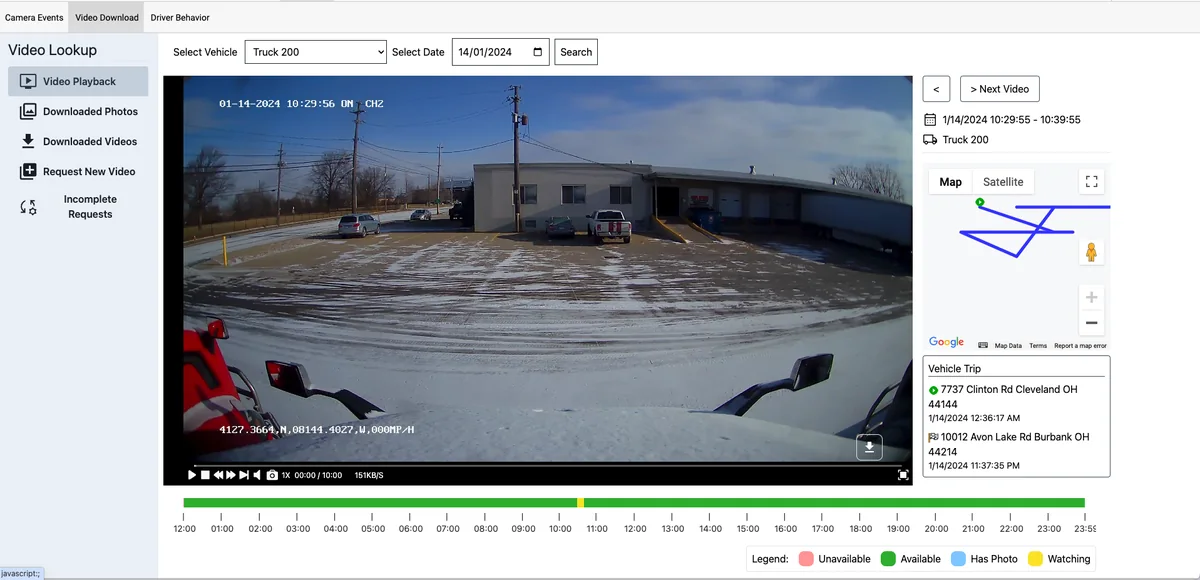
Dash cameras have become a critical tool for modern fleets, improving safety, reducing liability, and providing video evidence for incidents on the road. But increasingly, fleets and business owners want their dash cameras to function as 24/7 security systems, monitoring vehicles even when they are parked.
A common question is:
Do dash cameras record when the car is off?
Yes, many modern dash cameras can record when the car is off, but only if they support Parking Mode, are hardwired, or use a dedicated power source. Not every camera can do it, and the way they record in this state is different than regular driving mode.
This guide explains how dashcams work when the vehicle is off, what features matter, common misconceptions, the pros/cons, and how fleet-grade systems (like the WLI AI2020) optimize this functionality.
-
1
Introduction
- 1.1 Do Dashcams Record All the Time?
- 1.2 How Dash Cameras Record When the Car Is Off
- 1.3 1. Parking Mode
- 1.4 2. Hardwiring
- 1.5 3. Built-in Battery or Supercapacitor
- 1.6 4. Low-Power Sleep Mode + Sensors
- 1.7 Benefits of Recording When the Vehicle Is Off
- 1.8 Parking Incidents
- 1.9 24/7 Surveillance and Lot Security
- 1.10 Peace of Mind
- 1.11 How to Make Sure Your Dash Cam Records When the Car Is Off
- 1.12 1. Confirm Parking Mode Support
- 1.13 2. Hardwire the Dashcam
- 1.14 3. Enable Battery Protection Settings
- 1.15 4. Use Time-Lapse or Low-Bitrate Recording
- 1.16 FAQs
- 1.17 Conclusion
Do Dashcams Record All the Time?
Most dash cameras do not record continuously when the ignition is off. Traditional consumer dashcams are ignition-based, turning on with the engine and shutting off when the vehicle stops.
Modern fleet-oriented solutions, however, offer:
Configurable Parking Mode
Low-power sleep mode
Event-triggered recording
Hardwiring for continuous power
Real-time alerts via cellular connectivity
This enables the dashcam to continue monitoring the vehicle long after it’s parked.
How Dash Cameras Record When the Car Is Off
1. Parking Mode
Parking Mode keeps the dashcam in a low‑power standby state, waking only when motion or impact is detected. Depending on the camera, it may support:
Motion-triggered recording
Impact-triggered recording
Time-lapse parking recording
Low-bitrate continuous parking mode
This ensures surveillance without unnecessary battery drain.
2. Hardwiring
Hardwiring connects the dashcam to:
Constant power (B+)
ACC/Ignition line
Ground
This lets the camera record while parked and protects against battery drain. Many fleets short the ACC line during installation so the camera receives an “engine ON” state, allowing continuous recording.
3. Built-in Battery or Supercapacitor
Some consumer dashcams include small internal batteries. These only provide a few minutes of power and are not suitable for overnight surveillance.
4. Low-Power Sleep Mode + Sensors
When off, the dashcam enters ultra-low-power monitoring. It wakes up when sensors detect:
Motion
Impact
Acceleration changes
AI-based detection of people or vehicles
Benefits of Recording When the Vehicle Is Off
Parking Incidents
Captures vandalism, hit-and-runs, break-ins, and theft attempts that occur when the vehicle is unattended.
24/7 Surveillance and Lot Security
Fleet dashcams can act as vehicle-based security systems, offering:
After-hours monitoring
Real-time alerts
Remote live streaming
Theft deterrence
Peace of Mind
Drivers and fleet managers gain confidence knowing the vehicle is being monitored continuously.
for the many other dashcam benfetis see our related article
How to Make Sure Your Dash Cam Records When the Car Is Off
1. Confirm Parking Mode Support
Ensure your dashcam supports:
Parking Mode
Sensor-triggered wakeup
Low-power operation
Fleet systems like the WLI AI2020 allow Parking Mode configuration OTA.
2. Hardwire the Dashcam
Hardwiring enables:
Continuous power
Accurate engine-state detection
Battery protection
3. Enable Battery Protection Settings
Modern dashcams allow you to set:
Voltage cutoff
Timed shutdown
Parking Mode limits
4. Use Time-Lapse or Low-Bitrate Recording
Ideal for fleets requiring constant surveillance with minimal battery usage.
FAQs
Do dash cameras record when the car is off?
Yes, if the dashcam supports Parking Mode and is hardwired or uses an external battery pack.
Do dashcams work with the engine off?
Yes. They operate in low-power standby and wake when sensors trigger recording.
How does a dash cam get power when the car is off?
Through hardwiring into constant power or via an external battery pack.
Do dashcams record inside the vehicle as well?
Dual-facing models do, even in Parking Mode if enabled.
What triggers a dashcam in Parking Mode?
Motion, impact, G-sensor activity, or AI detection.
Is there a dashcam that records all the time when the car is off?
Yes, models supporting continuous Parking Mode or time-lapse recording.
What is the downside of recording while parked?
Possible battery drain, more storage usage, and higher cloud upload volume.
How do I know if my dashcam is recording?
Most units display LED status lights or app notifications.
Will insurance go down if I have a dashcam?
In many regions, yes, dashcams reduce risk and claims disputes.
Are dashcams a target for thieves?
Visible cameras can attract attention; many fleets use stealth mounting.
Conclusion
Dash cameras don’t automatically record when the car is turned off, but modern fleet dashcams can enable 24/7 surveillance using Parking Mode, hardwiring, and sensor-based wakeup.
This helps fleets and drivers:
Capture vandalism and theft
Monitor parking lots after hours
Increase safety
Reduce insurance costs
For true 24/7 monitoring or real-time off-hours alerts, choose a dashcam with advanced parking capabilities and OTA configuration, like the WLI AI2020.
For more information check out our related articles on dashcam costs and where to mount a dashcam
Article Author

Related Resources
- Best AirTag Alternatives (2026): Top Trackers for iPhone, Android, Wallets, and Business Assets January 19, 2026
- Commercial Fleet Insurance: Everything You Need to Know December 08, 2025
- CARB Compliance: What It Means and How to Stay Compliant December 04, 2025